Ecuador is no longer on track towards meeting the criteria imposed on it by the IMF to keep its US$6.4bn Extended Fund Facility (EFF) program afloat. President Guillermo Lasso has temporarily abandoned the fuel subsidy reform in the face of opposition from Congress and growing social unrest, undermining fiscal consolidation.
Saarah Ghazi
After several days of huge UK financial market volatility, the BoE intervened at the long end of the gilt market and postponed the beginning of its programme of gilt sales. The intervention appears to have brought greater stability for the time being. But with the government showing few signs of heeding markets’ message, further instability remains a significant risk.
Like its Rocky Mountain-area peers, Phoenix has seen tremendous growth since the start of the pandemic. Its net job growth of 3.6% from Q1 2020 to Q3 2022 ranks in the top 20 of 50 metros. Industries associated with population growth – retail, construction, even restaurants – have added the most jobs in the metro.
Enjoying the bounty of numerous corporate relocations and robust population growth, Dallas’s net growth since the start of the pandemic of 7.1% ranks 2nd of 50 metros, behind Austin. The industries that have added the most jobs over the last two years include employment services, finance and insurance, and warehousing and storage.
Although it has benefited from a rapidly growing tech sector, Denver’s net job growth since the start of the pandemic is only 2%, which still ranks in the top 20 of 50 metros. Tech-related industries (computer systems design, software, etc.) have added the most jobs over the last two years followed by employment services, which includes temporary staff, and management and technical consulting.
Still topping the charts on nearly every economic metric, Austin’s economy remains on fire. Its net growth since the start of the pandemic of 9.1% is considerably higher than #2 Dallas’s 7.1%. The tech sector (computer systems design, data processing, software, and computer manufacturing) has added the most jobs over the last two years along with retail trade, and management and technical consulting.
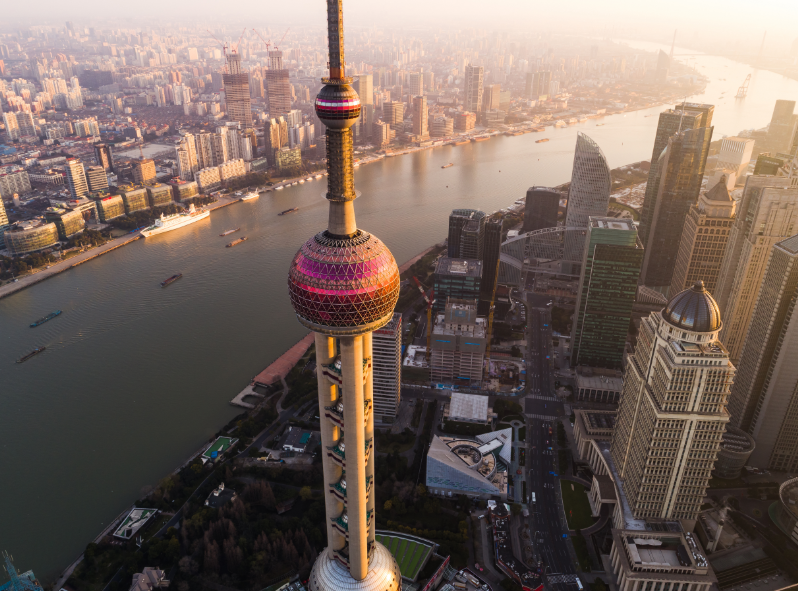
The impact of the lockdowns and Covid-19-related restrictions in China were severe in the second quarter of 2022. We have therefore revised down our expectations for growth in 2022 for most of China’s major cities—although we have revised Shanghai and Beijing up slightly. Changsha is forecast to be the best performing major city in 2022.
A persistent pandemic, economic uncertainty, and a global geopolitical conflict continue to dominate headlines and fuel Chief Supply Chain Officer (CSCO) frustrations. Navigating uncertainties—and managing supply chain challenges accordingly—has out of necessity become a top business priority for boards and C-suites alike.
Russia’s invasion of Ukraine continues to sow economic disruption around the world. One long-term problem the conflict could exacerbate is climate change, as Europe slows its transition from fossil fuels in the scramble for alternatives to Russian energy—though the grim events of 2022 could yet end up accelerating a greener future.
The negative market reaction to last week’s fiscal announcements appears to be a function of doubts over the credibility of the UK government’s long-term fiscal plans. Though we think the structural position is not as bad as last Friday’s drop in asset prices implies, it’s clear the government will struggle to retain credibility if it fails to engage with market concerns.