

Our Commitment to Sustainability
Economics Unleashed: A Path To Sustainability
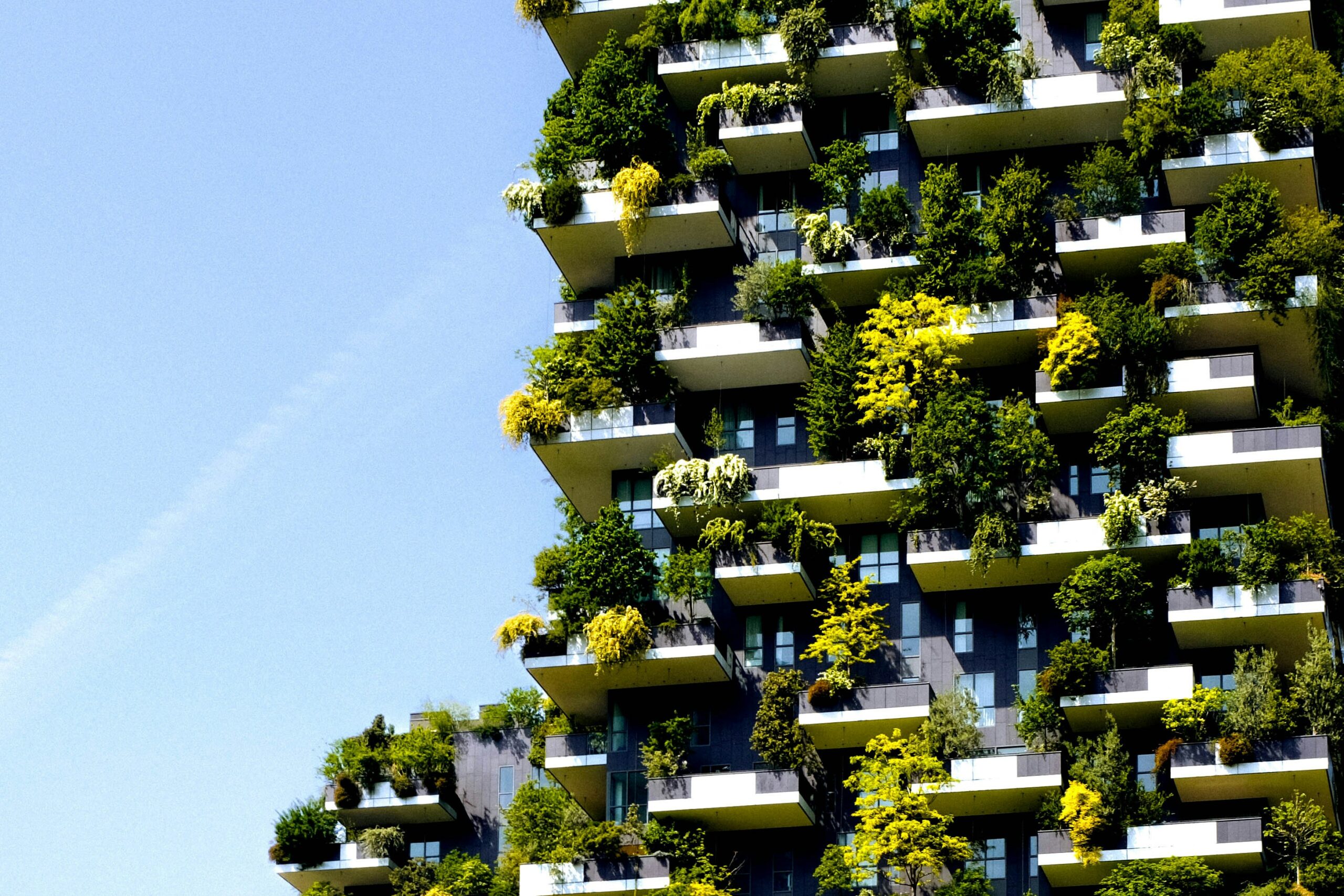
At Oxford Economics, sustainability is not just a requirement — it is a priority that reflects who we are and how we operate. Guided by our purpose to unlock the power of economics to generate positive commercial and social outcomes, and anchored by our values of integrity, passion, innovation, and collaboration, we are committed to embedding sustainability across our business. Our sustainability goals are designed not only to meet regulatory requirements and client expectations but to demonstrate our leadership and responsibility in shaping a more resilient and inclusive future.
CLIMATE TARGETS
Oxford Economics recognises the need to address climate change and is committed to reducing our greenhouse gas emissions through credible and science-based action.
UK emission target:
- Decarbonise our UK operations scope 1 and 2 emissions by 2027 with only residual emissions balanced through certified removals.
Our global near-term targets:
- Reduce scope 1+2 emissions 63% by the end of FY 2035 from a 2024 base year.
- Reduce scope 3 emissions 66.4% per £1million revenue by the end of FY2035 from a 2024 base year.
Our global long-term target:
- Reduce scope 1, 2 and 3 emissions by 90% by 2050 from a 2024 base year with residual emissions compensated for using external carbon removals.
Documents
Climate and Nature Program
As part of our ongoing emissions responsibility, Oxford Economics addresses the impact of corporate travel through a long-term approach guided by the Oxford Principles for Net Zero Aligned Carbon Offsetting (Revised 2024) from the Smith School of Enterprise and the Environment.
Carbon Credit Program
In line with this framework, our 2026 programme balances emissions avoidance, carbon removal and social co-benefits.

Humbo Ethiopia Assisted Natural Regeneration Project
The Humbo Assisted Natural Regeneration Project focuses on restoring indigenous tree species across the mountainous landscapes of South Western Ethiopia. The zone covers approximately 2724 hectares of land and includes 5 strata.
Wakefield Brunswick Biochar
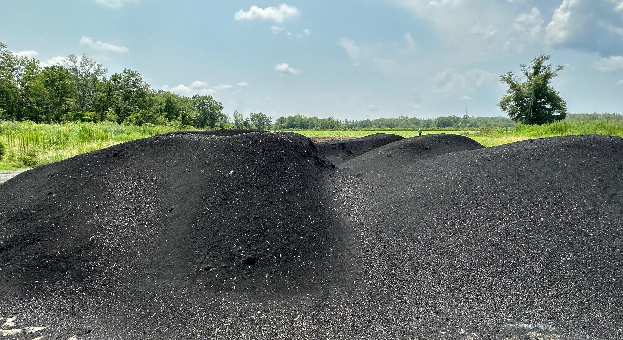
This project focuses on transforming waste from pulp, paper, and sawmills into biochar. Biochar is a revolutionary tool for improving soil health, sequestering carbon, and replacing harmful chemical fertilisers.
Fuel-efficient cookstoves in Uganda
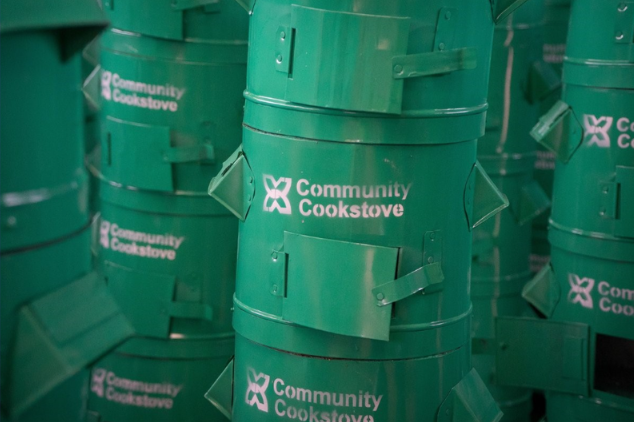
UpEnergy delivers improved biomass cookstoves across Uganda, cutting indoor air pollution and greenhouse gas emissions. The program saves fuel and time for rural women, creates local jobs, and uses rigorous monitoring, reporting, and verification to ensure verified, scalable impact.
Nature Program

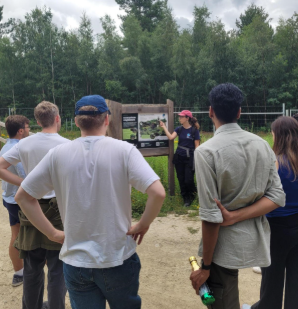
Oxford Economics employees from the London office learning about the wildlife in Blean

Oxford Economics is proud to announce the creation of an annual nature fund, in addition to our carbon program, which will direct funding to support nature more broadly, helping to improve nature for future generations.
Each year our staff vote to choose which project to support.
In 2026 we have chosen to partner with Kent Wildlife Trust to help them deliver their nature projects across Kent. This includes their innovative Wilder Blean project which is investigating how European bison can provide a sustainable solution to woodland management in southeast England.
RESPONSIBLE SUPPLY CHAIN
We hold our suppliers to the same high standards of social responsibility that we hold ourselves to. Our Supplier Code of Conduct sets out our expectations of organisations that work with us.
UN GLOBAL COMPACT
As a participant of the United Nations Global Compact, Oxford Economics is committed to aligning strategies and operations with ten universal principles on human rights, labour, environment, and anti-corruption, and taking actions to advance broader societal goals, particularly the Sustainable Development Goals.
We are also proud members of the UN Global Compact Network UK. Businesses like us come forward to join forces and drive the ever more needed change for climate, society and business.
Learn how you too can take part
OUR PROGRESS
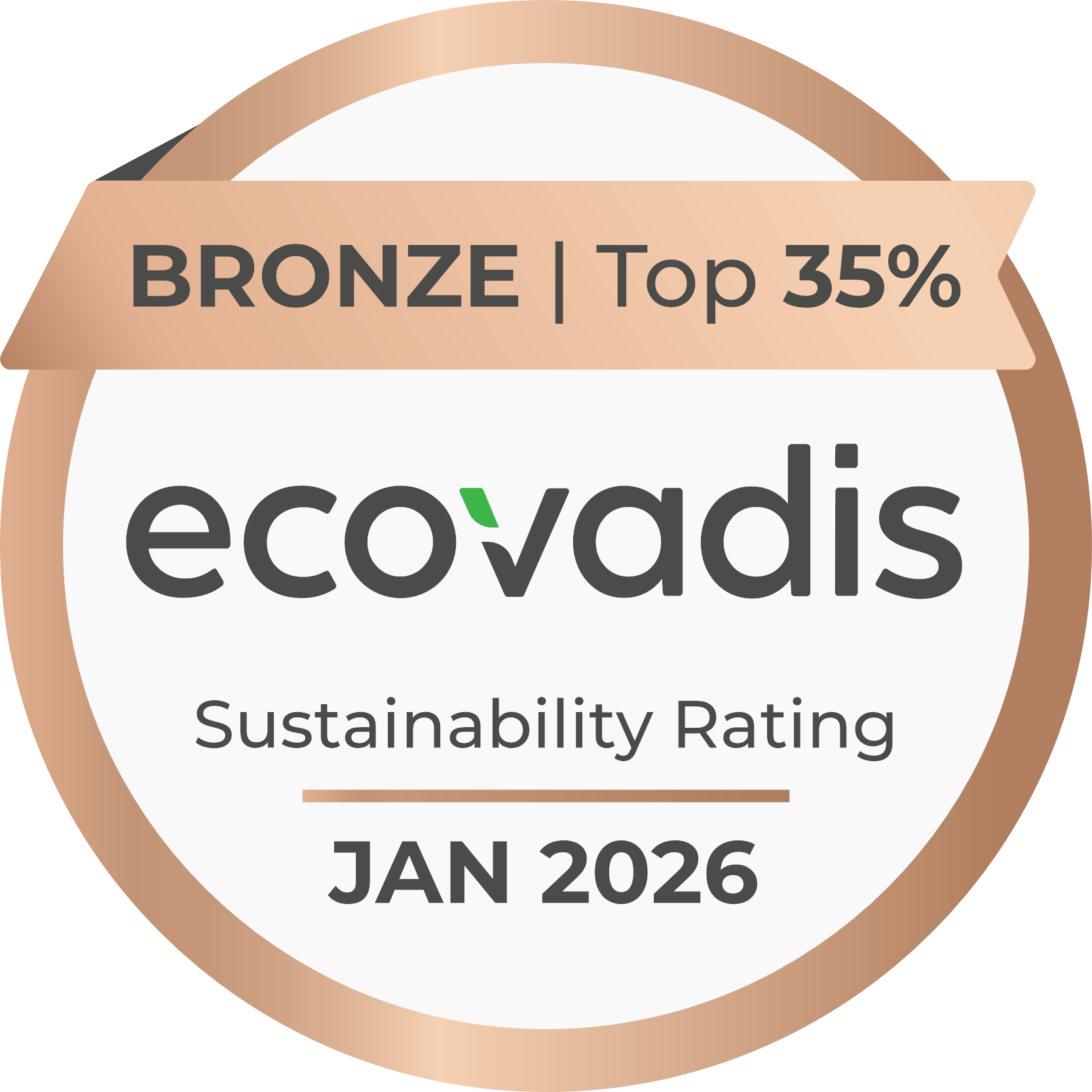
As part of our commitment to society, our people and the environment, Oxford Economics completes a thorough assessment of its business sustainability practices every year through EcoVadis, a global leader in business sustainability assessments.
The EcoVadis assessment includes 21 sustainability criteria across four core themes: Environment, Labour & Human Rights, Ethics and Sustainable Procurement.
In January 2026 we are proud to have earned a Bronze EcoVadis Medal. This means our score was equal to or higher than 73% of all companies rated by EcoVadis.
Speak to our team
Interested in learning more about our sustainability approach and global impact initiatives? Our experts are ready to help.