


The more aggressive ramp up in tariffs caused us to lower, but not slash, our forecast for real consumer spending this year. Spending on goods will be hit harder than services, and tariffs will widen the gulf between high- and low-income consumers.
 Saarah Ghazi
The more aggressive ramp up in tariffs caused us to lower, but not slash, our forecast for real consumer spending this year. Spending on goods will be hit harder than services, and tariffs will widen the gulf between high- and low-income consumers.

President Trump launched the first salvo in what will like turn into another global trade war. A 10% additional tariff on imports from China went into effect on February 4 and the Chinese responded with a series of retaliatory steps.

GoWest commissioned Oxford Economics an analysis of credit unions’ economic impact in Arizona, Colorado, Idaho, Oregon, Washington, and Wyoming. The analysis measures credit unions’ economic impacts in terms of GDP, employment, and wages.

Oxford Economics, SAP Signavio, and LeanIX partnered to conduct fresh research on business transformation and everything that these journeys entail. The report, based on a survey of 800 executives, reveals key insights into establishing clear goals, securing workforce buy-in, and managing risks, with a spotlight on how organizations can transform successfully despite common hurdles like cost overruns and data management challenges.

A number of recession warnings were flashing yellow and red last year, but the economy didn’t falter and entered the year on solid ground.

Our short-term outlook for the global economy has a seen a small upwards revision due to the expected loosening of US fiscal policy by the incoming Trump administration.

President Donald Trump signed a slew of executive orders related to immigration, trade, and the federal government workplace, but these actions were widely anticipated and warrant only minimal changes to the baseline.

Alberta’s population has grown rapidly over the last three years, driven by a surge in international migration.
Qatar’s budget for 2025 balances higher expenditure against conservative revenue assumptions. The projected uplift in spending to 210 billion riyal includes key allocations for education and healthcare and is in line with Qatar’s long-term development goals.

This study, commissioned by the British Army, assesses both the long-term contribution the organisation makes to the UK’s productive capacity and its UK economic footprint in 2023/24.

This study, commissioned by the Motion Picture Association (MPA) – Canada, focuses on the production of the fifth season of the show “Virgin River”, and analyzes its total economic impact in British Columbia in 2022. The study also considers the wider impact of the show by boosting film-induced tourism and promoting the local film industry.

In 2024, US short-term rentals will add more incremental demand than hotels and cruises combined. Additionally, US-based cruises are set to make waves, punching well above their weight.

The risks around the forecast for federal government employment are skewed to the downside because of the limited scope for stronger federal hiring and the potential for more aggressive efforts by a second Donald Trump presidency to reduce payroll.

Canadian metros have seen rapid population growth over the last few years, but that is expected to come to a halt in 2025. After incorporating the new Immigration Levels Plan, we are downgrading our view of all Canadian CMAs in terms of population, employment, and GDP over the short and long term.

Blanket 25% tariffs on Canada threatened by US President-elect Donald Trump earlier this week would push Canada into a recession in 2025, cause a sharp spike in inflation, and force the Bank of Canada to hold rates higher next year.
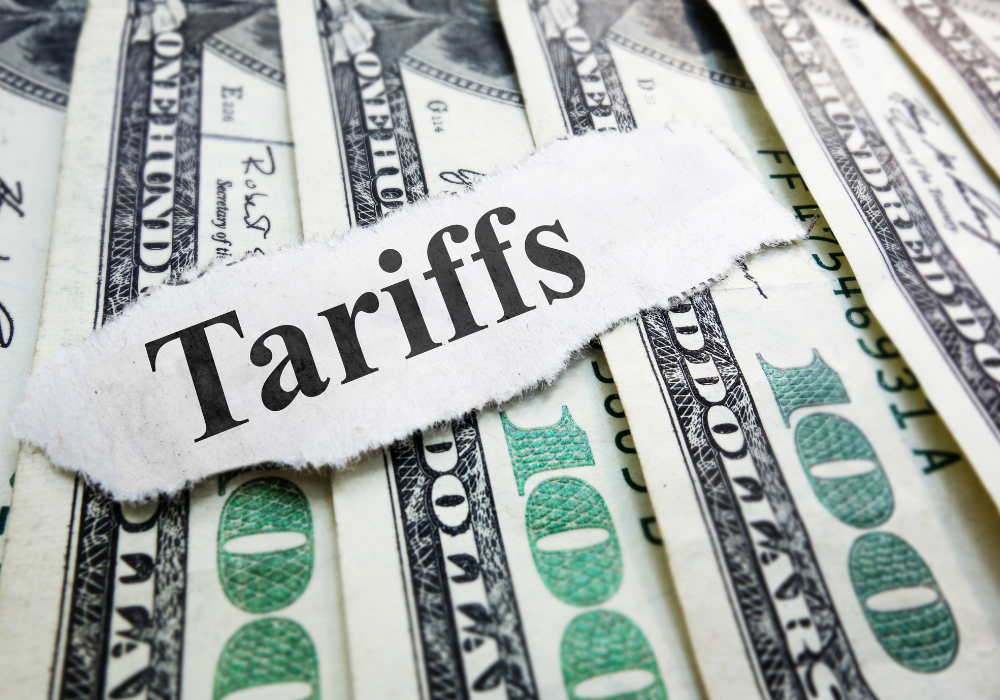
Since we adopted greater protectionism in our November US forecast, the risks to our baseline have become more balanced. But from a risk-management perspective it’s worth considering the impact of more aggressive tariffs, so we have modelled four downside scenarios:

We estimate that the weight-loss drug industry will be worth $80bn-140bn annually by 2030, thanks to rising rates of obesity and other weight-related health conditions.

Our proprietary models signal the lowest probability of recession in more than two years as strong incoming data indicates that the economy is on solid footing.

In the second release of the November baseline, we updated our tariff assumptions, but the impact on GDP, inflation, and interest rates was small.
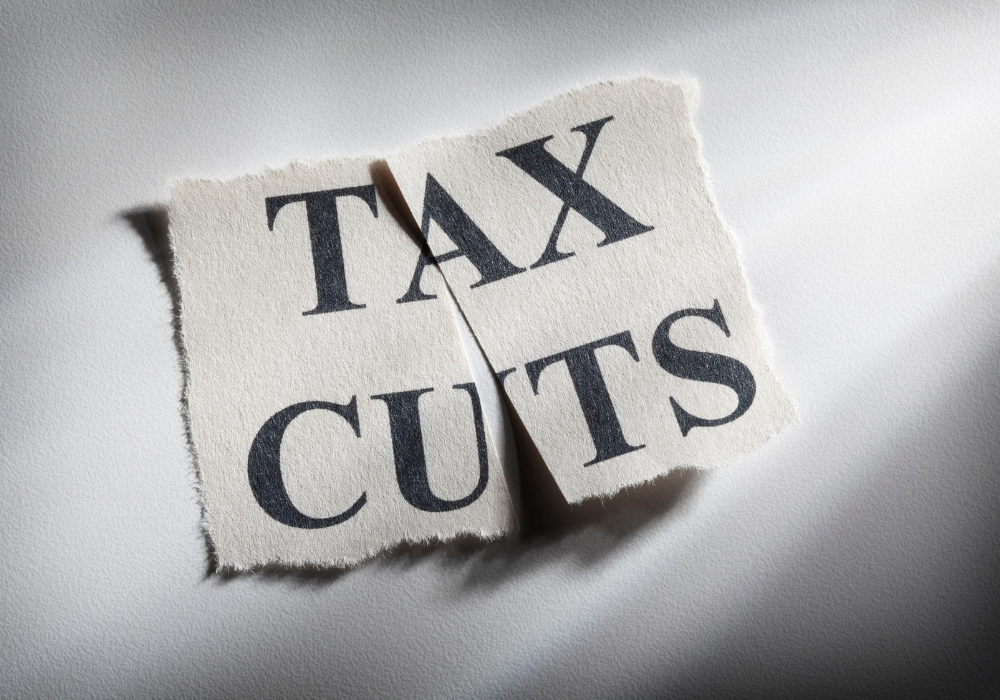
At Oxford Economics, we have been closely monitoring the potential impact of President Trump’s tax cuts on the US economy. Our latest forecasts shed light on how these changes could affect consumer spending, particularly among high-income households.
