Our baseline economic outlook now assumes a mild US recession in the first half of 2023. Despite moderate improvement in gas prices, core inflation remains stubbornly persistent and broad-based across goods & services. The Federal Reserve has indicated it will act aggressively and raise interest rates until inflation is brought down.

Saarah Ghazi
Odds of a downturn in Canada have just crossed a tipping point and we now expect a moderate recession starting Q4 2022. The slump is mainly due to the impact of more aggressive rate tightening by the Bank of Canada, higher inflation for longer, and weaker external demand from looming recessions in the US and other advanced economies.
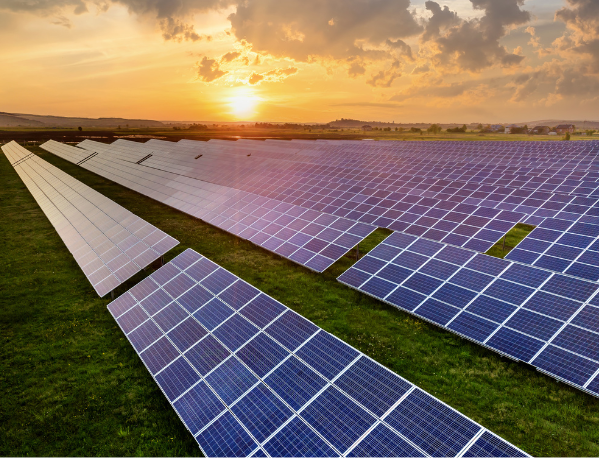
One of the key expected outcomes from the upcoming COP27 summit in Egypt is for earnest
action to be taken by global climate leaders to close the enormous funding gap that is restraining
the ability of African countries to transition to low-carbon economies. In doing so, it is pivotal for
decision makers and investors to appreciate the continent’s role in climate change and the
distinct dissimilarities between countries.
Global commercial property prices were barely affected by the pandemic despite the fall in output and changes in the structure of the economy, such as the heightened demand for goods over services and increased home working. But higher interest rates in the wake of the pandemic are changing this picture and bringing a belated impact back to commercial property markets. High debt costs suggest a pricing correction is needed, with US industrial real estate to move 13% lower and European office properties 12.5% lower according to our estimates, based on the best buildings in gateway markets.
The global economic outlook has continued to deteriorate. Since our previous global scenarios were released three months ago, we have revised down our baseline forecast for world GDP – and subsequently, our near-term outlook for commercial real estate. The risk that the global economy will slip into recession next year has risen and so has the risk of a protracted period of stagflation.
Inflation is sufficiently elevated globally that even a month without any increase in prices still leaves inflation in most economies above 5% by year-end 2022. Moreover, price pressures are so rife across goods and services that a rapid return to price stability is unlikely. Still, policy tightening is working: The US and UK are seeing core inflation fall, with further drops expected.