



China, the US, and India will account for 51% of all construction work done by 2037—underpinning the future economic development of the three countries that account for over a third of the world’s population and economic output.
 Yu Sato
China, the US, and India will account for 51% of all construction work done by 2037—underpinning the future economic development of the three countries that account for over a third of the world’s population and economic output.

We have said activity data would slow sequentially from Q1. Four months into the reopening, China’s economic recovery can best be described as uneven, frontloaded, and still necessarily state-supported.

Even without a steep drop in prices, the downturn in South Korea’s property sector is a source of worry given the rise in property-related debt in recent years. Though pressures from rate hikes should ease, interest rates are high and the growth outlook remains weak.

The Bank of Japan (BoJ) left monetary policy unchanged at its first meeting under Governor Kazuo Ueda. Lower global yields and the BoJ’s recent measures to kerb short-selling have reduced pressure on the 10-year JGB, giving Ueda breathing room to review easing measures.

We have revised up our long-term wage and inflation projections based on a larger impact from structural labour shortages due to adverse demographic trends. Even after raising our wage growth assumptions by 0.5ppts on average over 2024-2030, however, we still forecast inflation only reaching 1.4% in 2030 – well short of the 2% target.
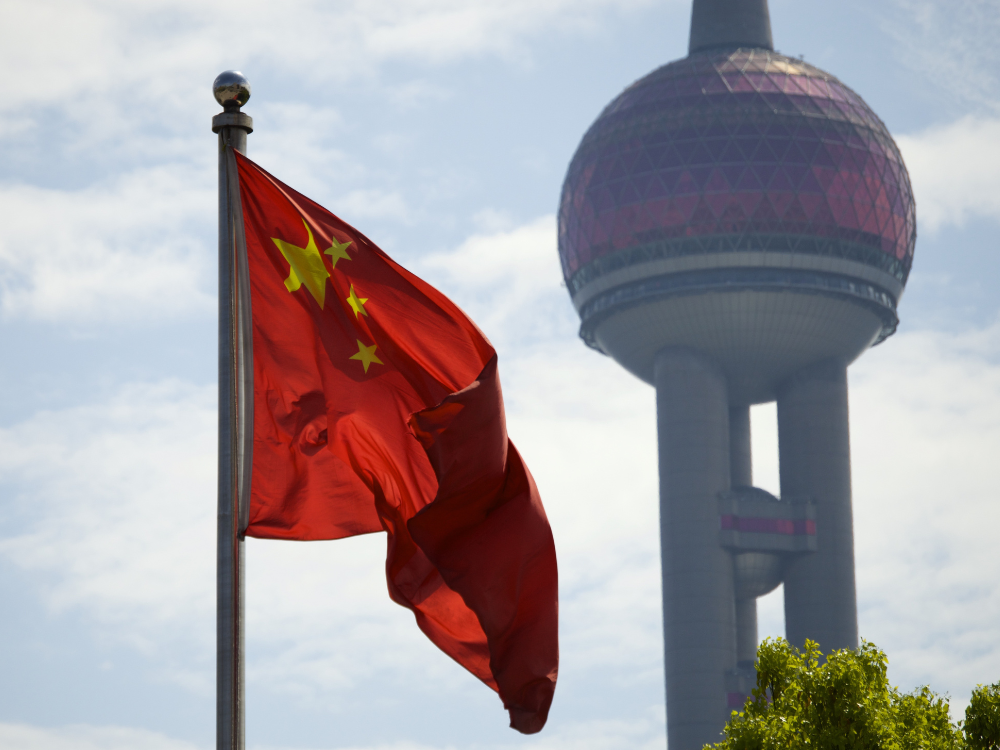
On the back of China’s recent consumption outperformance, we now expect the economy to grow by at least 5.5% in 2023.
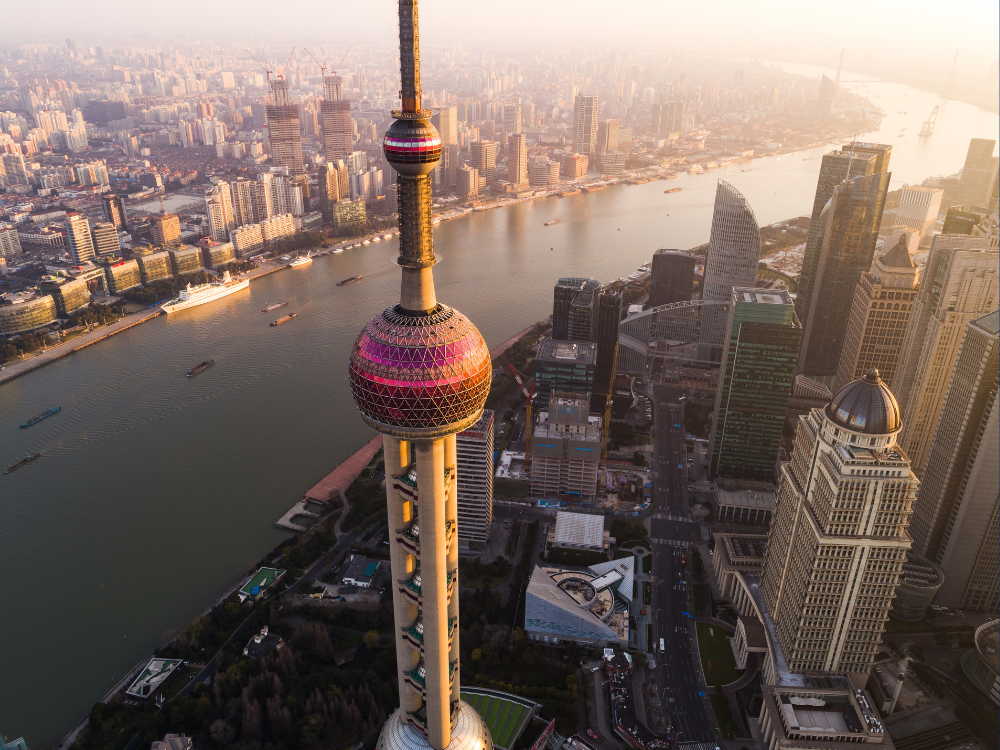
Unlike past recovery cycles, the sharp expected rebound in China’s private consumption may not result in surging imports. Our updated forecast now sees 8% plus consumption growth in 2023, much of it will be frontloaded, with the sequential quarterly pace winding down by year-end.

Many factors, ranging from demographics to broader economic growth to government spending priorities, have large impacts on construction activity. But one dependable pattern that may have been forgotten during the ultra-low interest rate environment of the past ten years is that large changes in interest rates signal eventual turning points in construction activity.

Once pent-up demand from post-lockdown fades, we think that Asian economies will settle at lower GDP growth and higher inflation than our pre-pandemic forecasts. This means nominal interest rates are also likely to stay high in 2023-2024.

At Governor Kuroda’s final policy meeting, the Bank of Japan (BoJ) left short-term policy rates at -0.1% and long-term rates at around 0%. Despite mounting pressures on the 10-year JGB, the target range was kept at +/-0.50ppt.

We find that an innovation-inducing Net Zero Transformation scenario would lead to a net gain of $3.7 trillion in real global GDP by 2050, with mining being the major loser, while manufacturing, construction, services and transport all gain among the major headline industries.

Aside from Malaysia’s BNM meeting and a host of CPI data this week, the closely-watched “Two Sessions” political event will be held in China, trade data from China and Taiwan will be released, and Governor Haruhiko Kuroda will chair his last BoJ meeting.

We think the BoJ’s next governor, expected to be respected scholar Kazuo Ueda, will shift cautiously to a more orthodox policy framework centred on the control of the short-term policy rate. Although Ueda will likely maintain the zero-interest rate policy, we think he will also look to reduce the side-effects of some measures including the Yield Curve Control (YCC) policy.

We’ve created a real-time indicator – the US Business Cycle Indicator (BCI) – to assess the health of economic activity. Our BCI shows the economy isn’t in a recession currently.

Export volumes of Asian goods are tumbling at a pace not seen since the onset of the pandemic in 2020. The pandemic slump proved short-lived, but we think the current plunge in exports has further to run, with sequential declines likely this quarter and next.

Tokyo is easily the largest Asia Pacific city by GDP, but the big four Chinese cities are catching up. We forecast that Tokyo’s economy will be overtaken by Shanghai in 2033, and by Beijing in 2036.

By 2024, cruise capacity is expected to exceed its 2019 levels by 16%. As a result, the sector faces not only the challenge of jumpstarting cruise demand post-pandemic, but also expanding demand to absorb new capacity of the current supply growth cycle.

In this Research Briefing, we will focus on the four most important elections scheduled for 2023: Nigeria, Zimbabwe, Gabon’s and the Democratic Republic of Congo (DRC).

Spring festival spending data showed consumer spending in China clearly now on an uptrend, but as we’ve argued before, this will not last.

Even without rate hikes, central banks’ monetary policies can effectively tighten if the nominal neutral rate falls below the policy rate. We expect this will be the case for the Bank of Korea this year, as the gap between the policy rate and the nominal neutral rate widens.
