
OE Logo

African political economy is consistently evolving both at a national and continental level. Robust data analysis needs to be supplemented with a deep understanding of politics on the continent. Our Africa Insights provide concise views on the most important economic and political developments on the continent, with the aim of allowing for more informed decision-making.

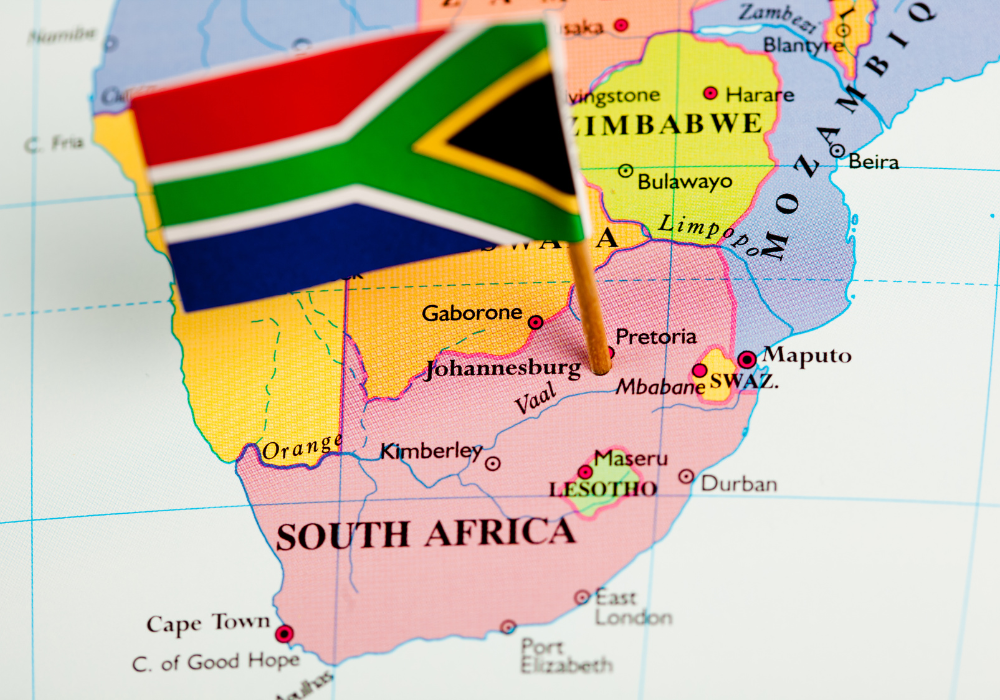
This is the last of the four Research Briefings on scenarios for South Africa’s general election on May 29. In this scenario, the centre-right opposition to the ANC, united in a coalition around the DA, secures enough votes to form a majority.

African political economy is consistently evolving both at a national and continental level. Robust data analysis needs to be supplemented with a deep understanding of politics on the continent. Our Africa Insights provide concise views on the most important economic and political developments on the continent, with the aim of allowing for more informed decision-making.

This Research Briefing details the third of our four scenarios for South Africa’s general election on May 29. In this scenario, the African National Congress (ANC), having won only 40% of the vote, decides to make a deal with the party that has been the official opposition for 25 years: the liberal Democratic Alliance (DA).

The Monetary Policy Committee voted to keep Bank Rate at 5.25% at May’s meeting, but it also sent a clear message that a summer rate cut is likely. This could come as soon as June if data on pay and inflation data come in at, or below, expectations.

More frequent adverse supply shocks mean eurozone inflation is likely to be more volatile and possibly higher on average in the future. Food prices are a key channel through which these global shocks will be transmitted, according to our analysis. We provide a quantitative assessment of the impact of a wide range of supply shocks on eurozone inflation.

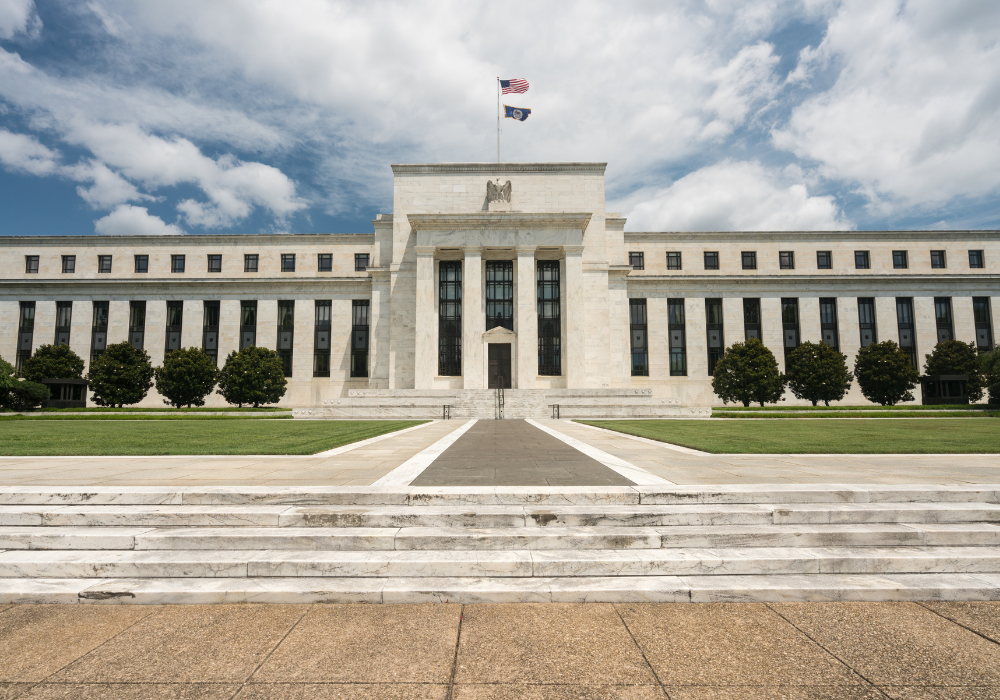
The Federal Reserve will likely signal next week that its confidence that inflation is on a sustained path to 2% has been diminished and that it is prepared to leave interest rates at current levels until it sees clear signs disinflation is back on track. We pushed the first rate cut in our baseline to September and reduced the number of rate cuts in our forecast for 2024 from three to two.

Our baseline forecast for policy rates is consistent with central bankers continuing to focus almost exclusively on inflation. Their laser-like inflation focus and higher-for-longer bias are understandable after such a large and sustained inflation overshoot. But once inflation is firmly back at target and this bias reverses, it will eventually be a key source of downside risk to our policy rate forecasts.

African political economy is consistently evolving both at a national and continental level. Robust data analysis needs to be supplemented with a deep understanding of politics on the continent. Our Africa Insights provide concise views on the most important economic and political developments on the continent, with the aim of allowing for more informed decision-making.

This briefing sets out the second of our four scenarios for South Africa’s general election: the ANC wins only 40% of the vote and makes a coalition deal with the radical leftists of the EFF.

African political economy is consistently evolving both at a national and continental level. Robust data analysis needs to be supplemented with a deep understanding of politics on the continent. Our Africa Insights provide concise views on the most important economic and political developments on the continent, with the aim of allowing for more informed decision-making.

This Research Briefing sets out the first of four scenarios for South Africa’s general election on May 29. In this scenario, the ANC wins over 46% of the vote share at the national level, and forms a government by working with small, constituency-based parties.

Our sentiment data, developed with Penta, suggests that UK private sector wage growth slowed sharply in March and early-April. If official data mirrors our sentiment indicator, it should keep the Monetary Policy Committee on track to cut interest rates in the summer.

Our new forecast assumes a slower euro appreciation against the dollar over the coming years than we previously anticipated. Relative productivity, terms of trade, and the current account will likely be less supportive of the euro than we thought. In addition, a stronger stock market than initially envisaged will attract more financial flows into the US than we had expected.

Households have been grappling with sharply higher food bills over the past couple of years because of rocketing agricultural commodity prices, which have contributed to sharply higher inflation globally. Key amongst these agricultural commodities is the price of wheat, which is especially important in much of the developed world.

The everyday economy generates half of all UK employment and 33% of GVA but is often dismissed because it generates less growth than high value services and has low productivity. But indirectly it has the capacity to improve the competitiveness and performance of local economies and has been identified by Labour Party leaders as a sector to focus on, if they win the election.

Despite last summer’s US Supreme Court decision, the Biden administration has forgiven $153bn in student loan debt through piecemeal actions. This, combined with a new, more generous income-driven repayment plan and a yearlong grace period following the end of the pandemic-era pause on student loan payments, has reduced the amounts borrowers in the aggregate are paying back to the Department of Education.

The extent to which UK employers can respond to likely 2024 interest rate cuts with increased output, rather than rises in prices and wages, will partly reflect the extent of spare capacity. This will inevitably vary by region. Evidence on this is imperfect, but in terms of capital assets (including intangibles) and labour availability, southern regions appear to be in a stronger position than those in the UK’s traditional industrial heartland.

The impact of Red Sea shipping disruption on the eurozone economy continues to be limited, in line with our baseline view. Our new Eurozone Supply Stress Indicator suggests that supply pressures have returned to normal following a period of easing in 2023.

For Gulf cities, the near-term outlook will be tied not only to the global macroeconomic backdrop, but also the progress of the diverse visions and strategies in the region. With the aim to diversify their economies and reduce the dependence on oil, Gulf states continue to invest in the non-oil economy and implement various reforms. That said, oil revenues remain key to funding diversification efforts.