
Sanele Mjikane
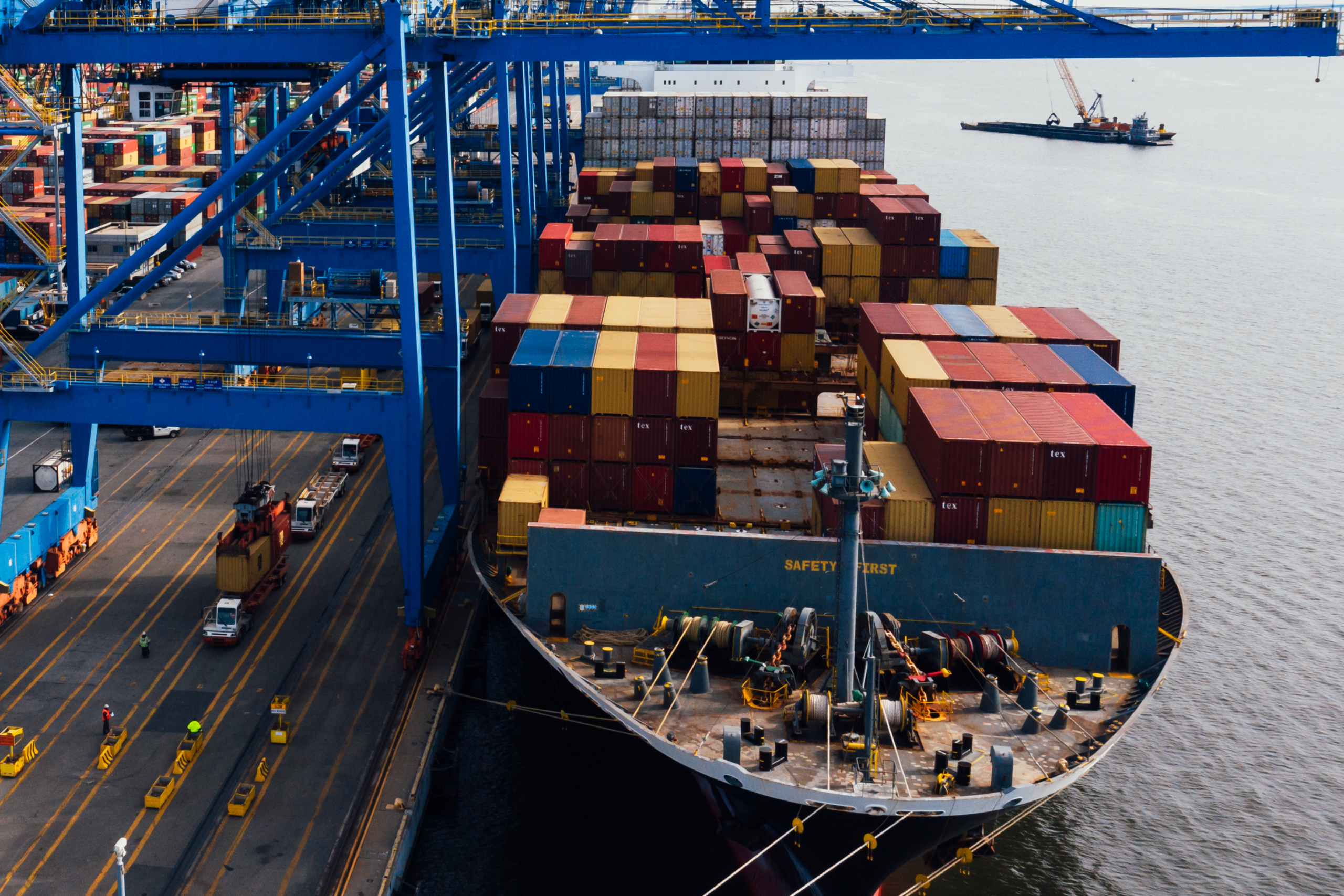
EU supply chains remain highly exposed to external risks. In the past six years, the bloc hasn’t materially reduced its exposure to imports from non-politically aligned countries, nor has it cut the average distance its imports travel. Furthermore, its dependence on Chinese imports has broadened across more sectors.
Africa’s copper production is concentrated in the Central African Copperbelt, shared between the DRC and Zambia, and is the world’s second-most-productive copper region. After a decadeslong production slump, the DRC has become the second-largest copper producer globally, supported by Chinese investment. Although copper production in Zambia has recovered more modestly, it remains below its past peaks. Copper prices have recently soared to all-time highs, with Zambia and the DRC reaping the greatest benefit.
Polish cities have been among the fastest-growing in Europe over the past 25 years, and we expect Warsaw—along with Kraków, Wrocław, and Gdańsk—to remain among the continent’s strongest performers in the decade ahead. Manufacturing has built the foundation of strong growth since the turn of the century, but ICT, finance, and business services are becoming increasingly important for driving productivity gains and propelling Poland’s major city economies to the top of Europe’s leaderboard.
Oxford Economics Africa conducted a socioeconomic impact assessment of DP World Dakar covering 2022–2024. We assessed DP World’s operations in Senegal, quantifying its economic footprint, the activity supported through trade facilitation and evaluating social and environmental outcomes, while mapping how value is created for key stakeholders: employees, customers, suppliers, partners, and communities.
Despite the new government’s 2026 budget being slightly more timid than anticipated, we don’t plan major changes to our outlook. However, this doesn’t mean the government will show fiscal restraint in the coming years. A smaller deficit will slow but not halt the rise in bond yields in 2026, as markets price in higher current spending-driven borrowing and relaxed fiscal rules.