



AI-related investment is unlikely to be a near-term driver of GDP growth in the EU, unlike the US where it contributes significantly. Despite rapid expansion, the AI sector in the EU is still too small and heavily reliant on imports.
 Sanele Mjikane
AI-related investment is unlikely to be a near-term driver of GDP growth in the EU, unlike the US where it contributes significantly. Despite rapid expansion, the AI sector in the EU is still too small and heavily reliant on imports.

Gulf cities are betting big on AI. With billions of dollars in planned investment and megawatts of capacity in the pipeline, cities like Riyadh, Abu Dhabi, and Dubai are attempting to position themselves as hubs for AI adoption, infrastructure, and development.
The ICT sector has been a key engine of economic growth for European cities over the last 25 years.

Sino-African relations have improved following Trump’s protectionist tilt. Next year, those relations will start showing strain as African industrialisation efforts run up against China’s desire to find alternative export markets.

Ugandans head to the polls on Thursday, January 15, for presidential and legislative elections.

We think the Czech 10-year bond yield is on track to breach 5% in the coming months, as the markets continue to price in the fiscally profligate programme of the new government.
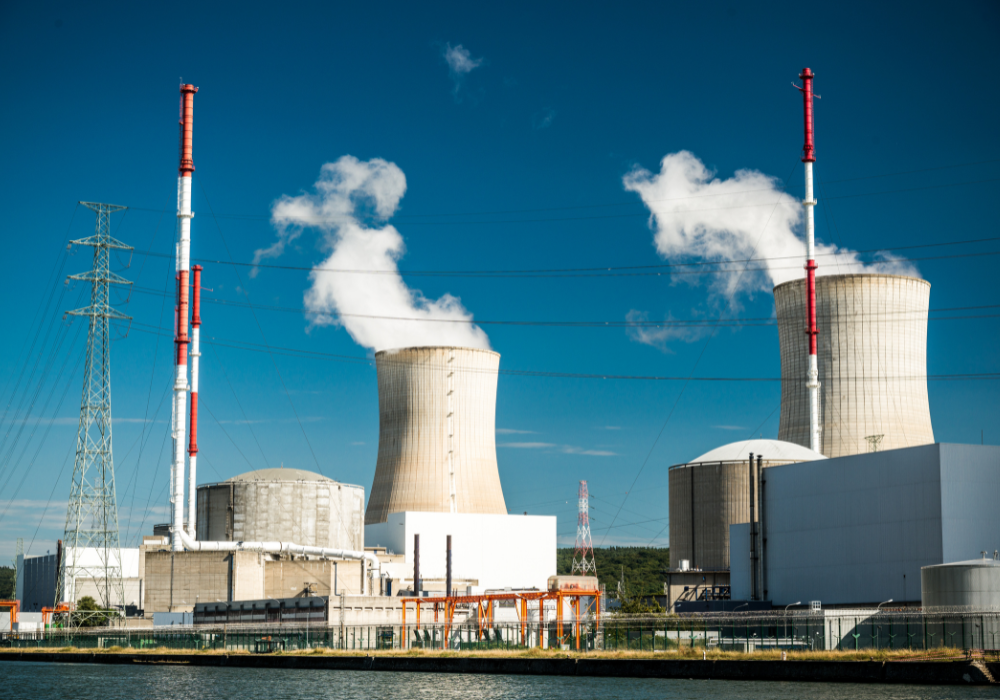
Oxford Economics’ recent analysis for Sizewell C demonstrates the substantial economic boost that the Nationally Significant Infrastructure Project will make to the UK economy.

Europe’s cities are at a critical point, with population stagnation, weakened industrial competitiveness, and acute housing crises weighing heavily on economic prospects. The EU’s Agenda for Cities update and first-ever Housing Affordability Plan are therefore arriving at a crucial moment, offering much-needed guidance for cities navigating these challenges.
Sino-African relations have improved following Trump’s protectionist tilt. Next year, those relations will start showing strain as African industrialisation efforts run up against China’s desire to find alternative export markets.

Discover how Germany’s M&A landscape is evolving – with a focus on growth, AI and post-merger value creation.

This report highlights the critical role silver plays in data centres and artificial intelligence (AI), automotive and electric vehicles (EVs), and solar energy photovoltaics (PVs). With these sectors expected to expand significantly over the coming years, we expect future silver demand to be strong.
The COP30 in November made some ambitious commitments to scaling up climate finance. Until those materialise, initiatives to leverage natural endowments for financing may be more attractive to African countries, especially those with high forest cover.
The UK Budget featured a backloaded tightening of fiscal policy via a series of tax rises. Given most of the tightening is pencilled in for 2029, which is an election year, we’re sceptical it will be fully implemented when the time comes.

Building continuous transformation into tax and finance functions can equip them to use AI, adding rich, deep insight and value to businesses.

Our latest report measures the economic footprint of Allica Bank’s lending across the UK.

The scaling of climate finance for developing countries will take centre stage at the 30th
Conference of the Parties (COP30) of the UN Framework Convention on Climate Change
(UNFCCC) starting today, in Brazil. Leaders will grapple with how to plug the gaping shortfall in
funds needed to help developing economies curb emissions and adapt to climate shocks.
Reforming the global financial architecture will be a key discussion.

Uncertainty around global growth has widened the range of possible outcomes for oil consumption. While demand growth currently lags behind supply, stronger-than-expected trade or industrial activity could lift demand above projections. This brief explores whether Nigeria and Algeria are positioned to take advantage of such an upside.

This study demonstrates the economic importance of railway transport by providing a comprehensive analysis of the economic footprint of railway transport in Europe. We analyse how the railway sector’s activities contributed to GDP and supported jobs across the EU27 in 2023.

The UAE has set a balanced federal budget of AED92.4bn for 2026, a 29% jump in both revenue and spending, underpinned by new tax measures and an expected uplift from hydrocarbons. The plan channels funds towards social services and strategic investments aligned with the ‘We the UAE 2031’ vision.

This report assesses the socioeconomic contributions Shell made in the Netherlands in 2024.