


Housing affordability has emerged as a central challenge across Europe, particularly in major cities and tourist hotspots
 Sanele Mjikane
Housing affordability has emerged as a central challenge across Europe, particularly in major cities and tourist hotspots
Southern European economies face the threat of a steep fiscal cliff in 2027. The EU Commission plans to end payments from the EU recovery fund by the end of 2026.

The US has taken its most aggressive step yet against Russia’s oil sector, sanctioning the financial arms of Rosneft and Lukoil, companies that together account for nearly half of Russia’s seaborne crude exports. The move immediately pushed Brent prices up by $3 per barrel, though this reaction is unlikely to last as the global market remains well supplied and history suggests sanctions will be learned and evaded over time. The impact, instead, will fall mainly on Russian revenues rather than global oil supply.

Around the world, governments are increasingly adopting artificial intelligence (AI) — not just to improve efficiency in public services, but to change how they deliver results for citizens. The question is no longer whether AI should be adopted, but how to do so responsibly, effectively and at scale.

Labour shortages remain an ongoing challenge across Europe, limiting firms’ ability to deliver a strong pipeline of work. 28% of construction firms are reporting that lack of personnel is limiting their output and 14% are intending to hoard labour in the next three months to minimise future risk.

The European economy has endured a challenging year in 2025, but we expect Amsterdam to hold up relatively well.

By 2035, we expect France’s public debt to approach 125% of GDP, up from 113% in 2024 and among the highest in advanced economies. Given the current political impasse, meaningful fiscal consolidation is unlikely before the 2027 presidential election. Even after that, we expect it to be gradual, keeping debt on an upward path and France’s vulnerability to shocks elevated.
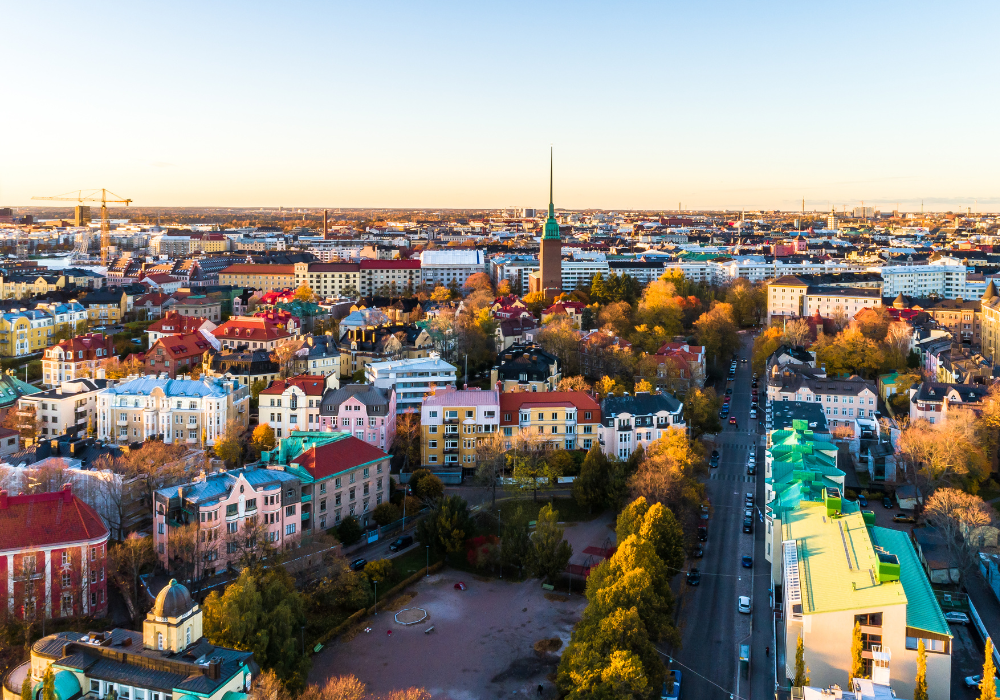
We expect Nordic GDP growth to outperform the Eurozone in 2026, driven by expansionary fiscal policy and higher consumer spending. Finland is an exception as the government will continue to consolidate public finances next year.

Cameroon’s President Paul Biya is expected to secure another term in the upcoming presidential election.

Strong economic fundamentals support the Gulf Cooperation Council (GCC) consumer sector, likely leading to a structural outperformance over its advanced economy peers for decades.

This report assesses the socioeconomic contributions Shell made in the United Kingdom in 2022. It quantifies Shell’s impact on the UK economy and society, including its £11.8 billion contribution to GDP, support for 78,000 jobs, £5.4 billion in tax payments, and investments in skills, training, and community programmes across the country.

Despite revising our labour supply projections up, the Eurozone’s rapidly ageing population will lead to a 6% decline in potential workers by 2050 from a peak in 2029. This bleak long-run outlook for labour supply will help drag Eurozone potential growth below 1% per annum by the mid-2030s.

Our report explains why the European chemical industry is undergoing a severe and sustained contraction. Structural pressures, principally high energy costs, carbon costs, regulatory and permitting burdens, are eroding competitiveness relative to the United States, China, and the Middle East.

Poor housing affordability is a long-term issue affecting the major cities across the Nordics. Residents of Stockholm, Helsinki, Oslo, and Copenhagen have consistently expressed dissatisfaction with the affordability of housing across their respective cities.

In an echo of the ’90s information and communications technology revolution, Europe lags the US when it comes to investment in AI.

We believe that the current AI hype in financial markets will only be justified if companies can adopt AI quickly and effectively. In The Digital Frontier series, we will evaluate the state of AI and data centre investment and explore implications for different countries, cities, and sectors.

A powerful new resource to help organisation navigate today’s complex labour markets.

European cities have faced a turbulent decade and a half as the continent has been hit with a series of shocks. From the Eurozone crisis to the war in Ukraine, with Covid 19 in between, the continent has suffered a sustained period of difficult economic conditions. But, despite these challenges, a number of cities have experienced fast rates of growth.
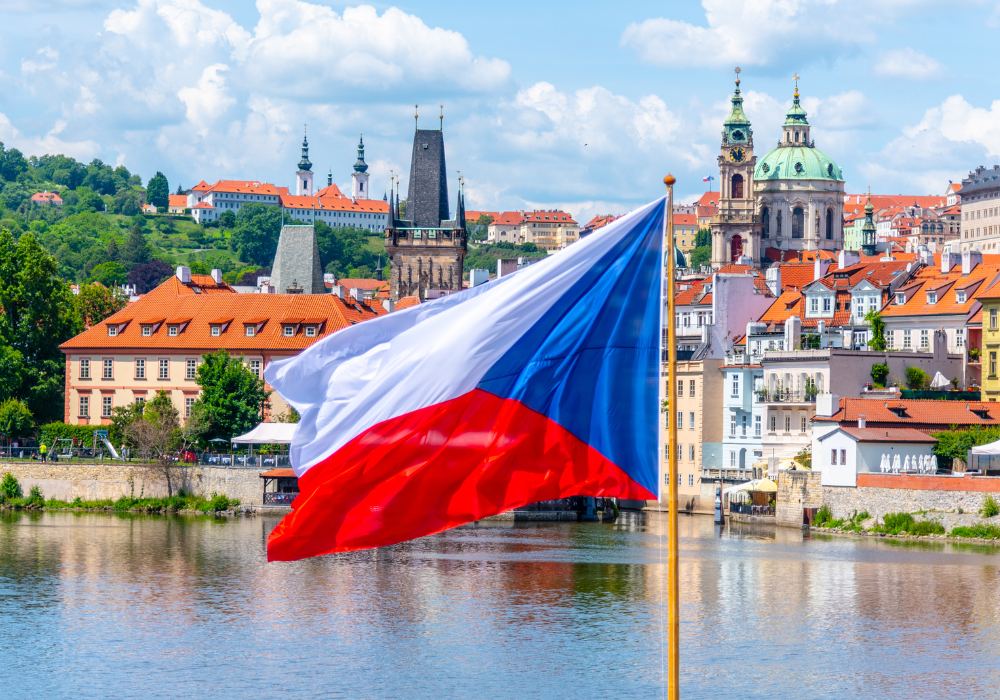
The winner of the Czech parliamentary election in October is all but certain to be the populist ANO, which has been a long way ahead in the polls for almost two years. But the shape of the new government is still uncertain – our baseline is for ANO to form a coalition with one of the centre-right parties in the current government, which will temper its fiscal profligacy.

Dieser Bericht quantifiziert die wirtschaftlichen Auswirkungen der E-Commerce-Branche und ihren Beitrag zur deutschen Wirtschaft im Jahr 2024.