



This report quantifies the economic impact of the e-commerce sector and its contribution to the German economy in 2024.
 Sanele Mjikane
This report quantifies the economic impact of the e-commerce sector and its contribution to the German economy in 2024.

The report evaluates the direct and indirect economic benefits of US funding for malaria control through two major channels: the US President’s Malaria Initiative (PMI) and the Global Fund to Fight AIDS, Tuberculosis and Malaria (GF).

We exploring the European Union’s bold initiative to tackle deforestation through the European Union Deforestation Regulation (EUDR).

As GCC governments focus on diversifying economic activity and revenue sources away from oil and gas, our analysis suggests that household spending in the region will outperform that of international peers.
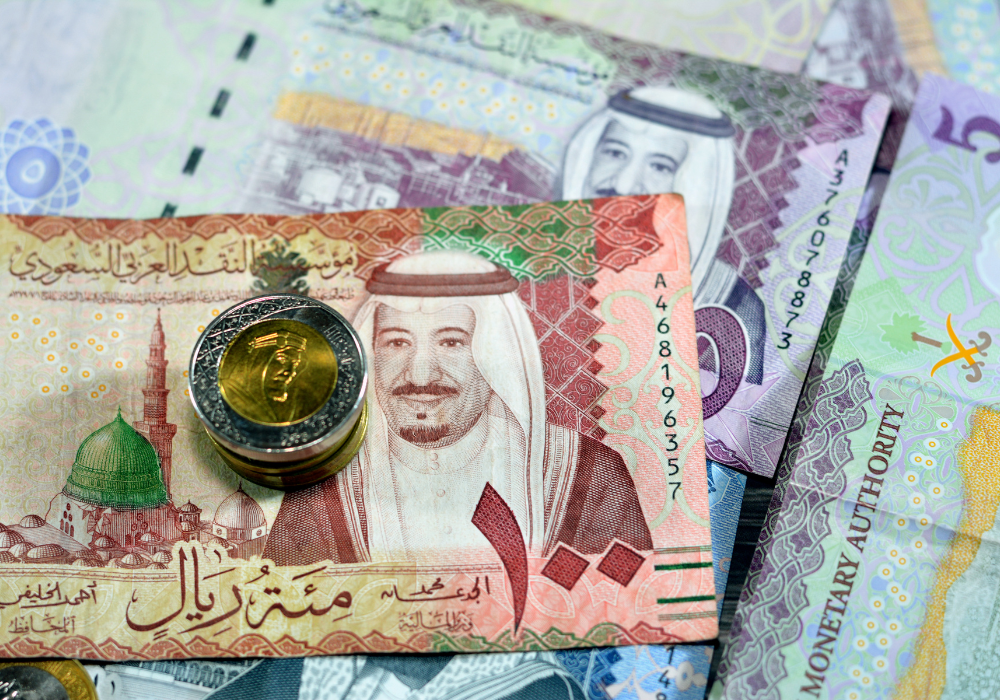
Saudi Aramco’s 20-year, $11bn lease deal with Global Infrastructure Partner (GIP), a firm under BlackRock’s umbrella, for Jafurah Field Gas Plant underscores the growing international confidence in Saudi Arabia’s ongoing economic transformation.

This report examines the economic footprint of JLR in the United Kingdom in 2024. The analysis is conducted both at the national level, as well as on the West Midlands and North West regions, where JLR’s main facilities are located.

Africa has, once again, taken centre stage as countries vie for the top spot. The playing field has shifted slightly, and the rules of engagement have moved more toward the economic arena. In this Research Briefing, we explore the economic and political ties between Africa and China, the US, Europe and Russia as the continent navigates the new multi-polar world order.

The Bank of England’s Monetary Policy Committee has delivered 100bps of rate cuts since its easing cycle began in August 2024.
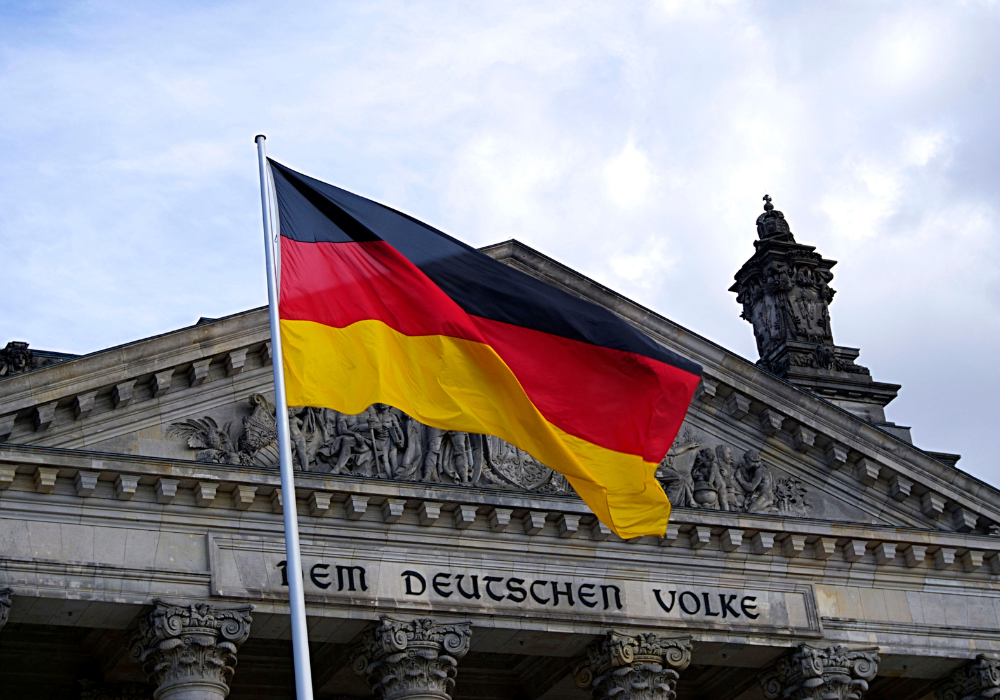
Additional US tariffs have led us to downgrade our short-term outlook for the German economy, with this impact mostly concentrated in southern regions of the country.

South Africa’s Government of National Unity (GNU) has struggled over the one year of its existence, largely because of the ad hoc manner in which it was assembled.

The July baseline forecast will fully adopt the Republican tax-and-spending bill, which is poised to become law by the July 4 deadline.
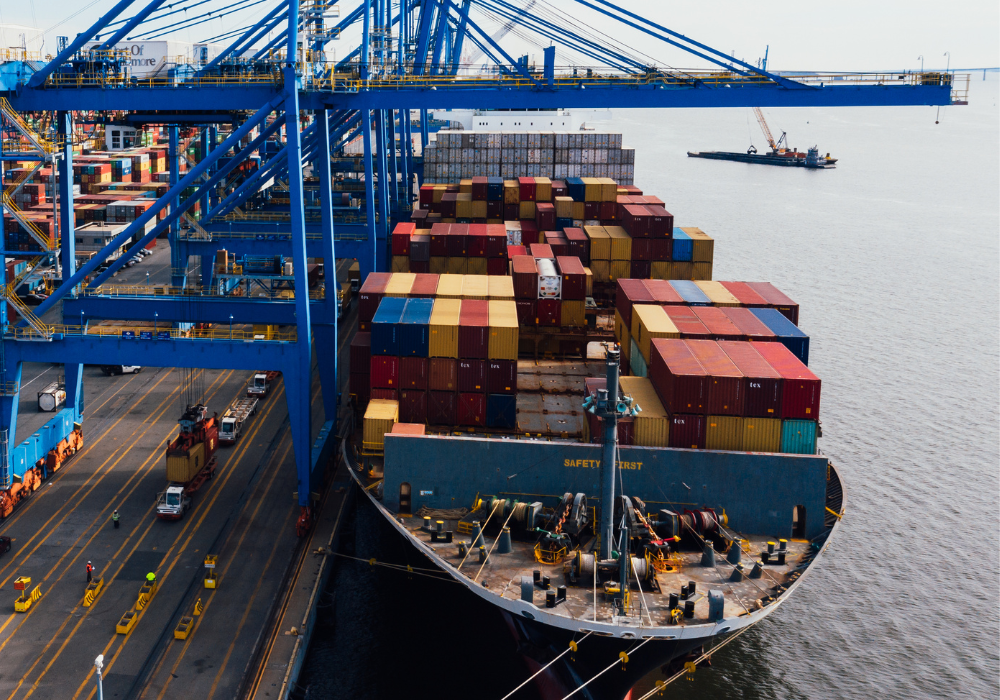
We have cut our long-term trade forecasts for the EU considerably due to escalating global trade tensions.

NATO’s commitment to spend 5% of GDP annually on defence by 2035 is broadly in line with the change to our defence-spending assumptions that we made in March, when we lifted core defence spending from 2% of GDP to 3% by 2030 and to 3.5% by 2035.

Last week, oil prices moderated by around 15%, as the ceasefire between Iran and Israel helped to reduce risk premiums.

This report revisits the analysis presented in our April 2024 paper on the potential impact of WTO dissolution, drilling down to quantify national-level impacts for a sample of ten developing economies.
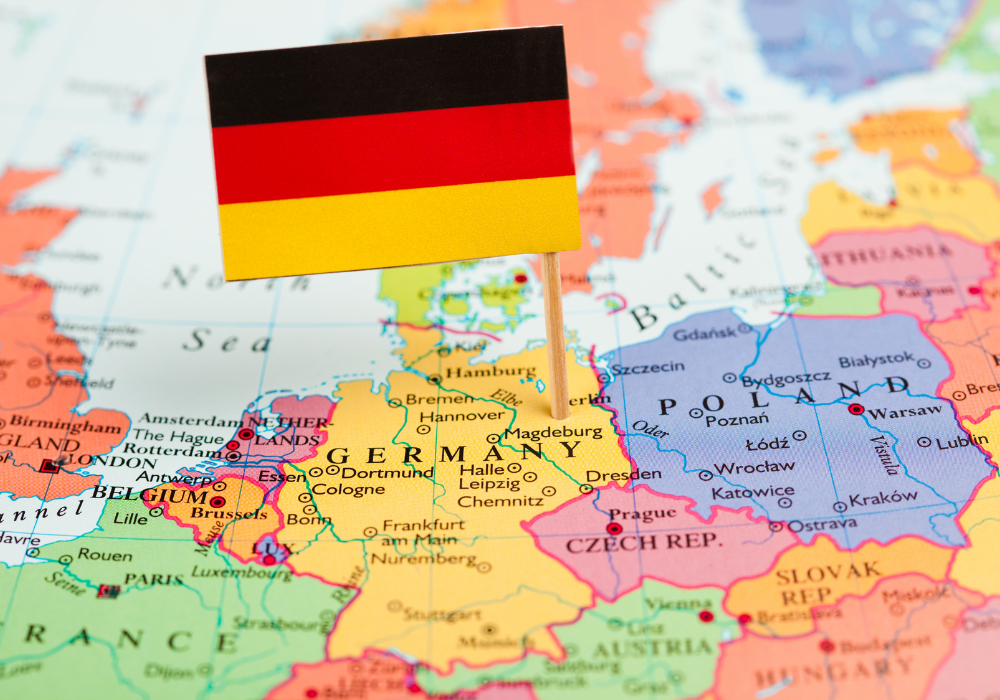
The German finance ministry’s draft budget for 2025 and updated medium-term fiscal plan show the government is embarking on a major spending spree to quickly reach NATO’s new spending target, modernise the country’s creaking infrastructure, and end the economy’s slumber. This broadly supports the large upward revisions to Germany’s growth outlook that we made in April.

In this report, we study the economic and societal impact of the branded clothing retail industry, including its value chain in the EU27.

In an ambitious global investigation with Proxima, we delivered insights into supply chain risk across different industrial sectors in major economies and supply chain hubs across the globe.

Governments understand the potential of data and artificial intelligence (AI), but the cost of inaction grows daily. Learn from government pioneers.
We think the damage from US tariffs on Eurozone consumer spending will be relatively mild. This is crucial for the Eurozone economic outlook, as the gradual rebound in private consumption is the only growth engine at present.