


We expect 10-year bund yields to increase towards 2.8% by late 2026, as the term premium remains around 1.1% and the risk-neutral yield climbs above 1.7% over the next few quarters.
 Sanele Mjikane
We expect 10-year bund yields to increase towards 2.8% by late 2026, as the term premium remains around 1.1% and the risk-neutral yield climbs above 1.7% over the next few quarters.
Saudi Arabia’s Q1 GDP was revised upward to 3.4% year-on-year, driven by a robust 4.9% expansion in the non-oil sector.

The report argues that enhancing project bankability should become a main policy priority as part of climate investment endeavors.

Sustainable finance is not merely a climate imperative but a development necessity. As climate risks intensify, Africa must urgently mobilise capital to advance its adaptation, mitigation, and development goals. Realising this ambition will require coordinated action across governments, financial institutions, international partners, multilateral agencies, and the private sector. With bold leadership, innovative tools, and supportive ecosystems, the continent can chart a path toward a more inclusive, resilient, and sustainable global economy.

The report assesses the economic impact of Project Kuiper’s launch partnerships in the EU.

OPEC+ is considering another 411,000 b/d output hike for July, with a decision expected on May 31. If confirmed, this would mark the third consecutive increase, reaffirming the shift from price defence to market share expansion.
The scale of the US tariffs announced on April 2 suggests the economic impact on the Eurozone will be swift. Indeed, a range of high-frequency alternative data plus more timely surveys are already indicating early signs of the reaction to the tariff hit.

Our sentiment data-based nowcast, developed with Penta, suggests UK employment growth has continued to slow in recent months.
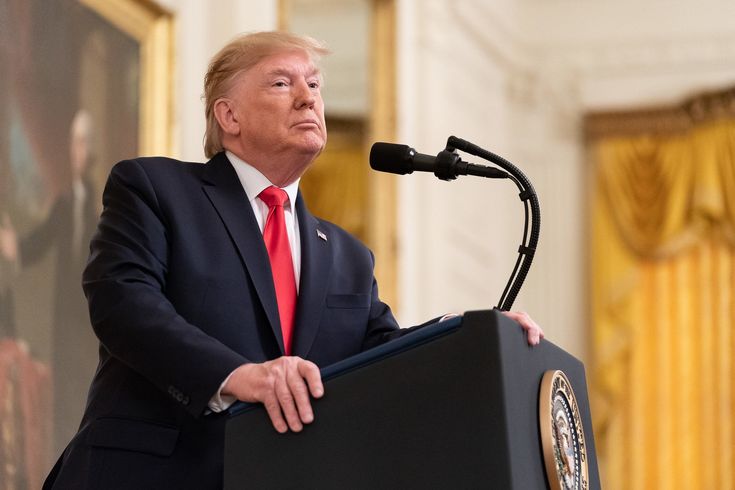
The Gulf Cooperation Council (GCC) region concluded an eventful week as Saudi Arabia, Qatar, and the UAE hosted President Trump on his first major foreign trip since re-assuming office, underscoring an enduring strategic partnership.

Our proprietary Eurozone Supply Stress Indicator shows that supply stress is still low, even after the US tariff announcement on April 2.

The middle-income trap is an economic development situation in which a country’s income and economic output growth stagnate once the country is classified as a middle-income nation. This research paper explores how African nations can escape the so-called middle income trap.

OPEC+ announced a higher-than-expected oil production hike for June, adding 411,000 b/d to the market. This marks a pivot from price defence to a period of higher output.

S&P has affirmed Turkey’s BB- credit rating with a stable outlook, cautioning that recent political events could have lasting economic repercussions.

Kuwait’s inflation rate eased to 2.4% in March, while Oman’s inflation dropped to 0.5% from 1%, driven by weaker food and non-alcoholic beverage prices.
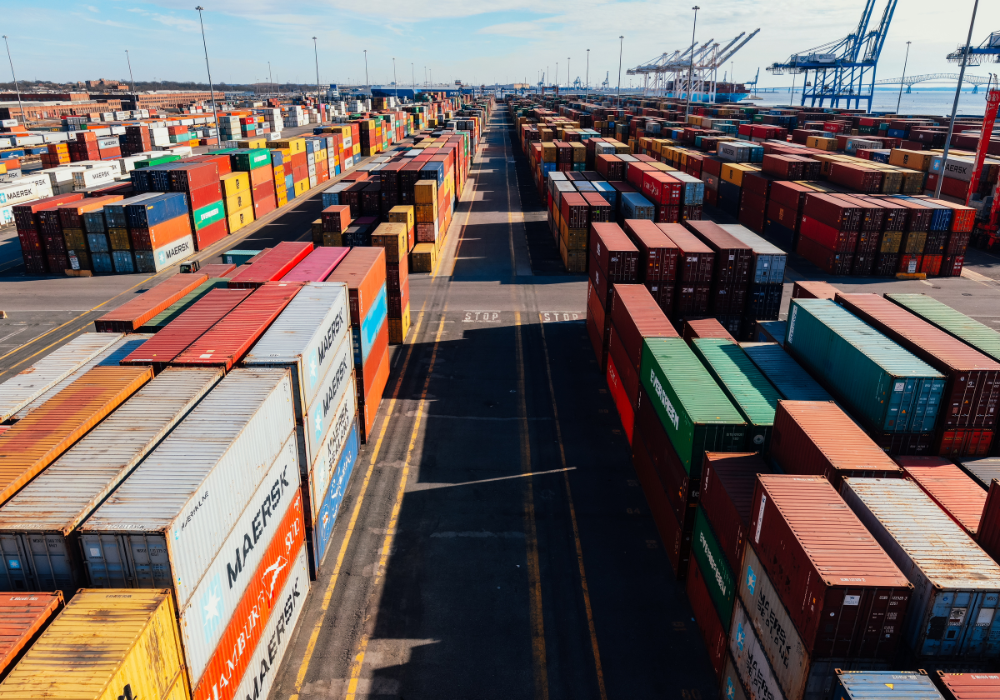
Given the unique nature of the hike in US tariffs, the size of these supply and demand shocks and the speed at which they are arriving make the precise economic implications particularly hard to pin down. Overall, however, we expect GDP growth in the US and world economy to slow sharply, but we don’t anticipate recessions in either.
Saudi Arabia’s inflation rose to 2.3% in March, its highest level since July 2023, driven mainly by a faster rise in food and beverage prices.

Despite the recent appreciation, our forecast still sees a weaker euro versus the US dollar compared to our pre-US election baseline. We think this will partially mitigate the adverse growth impact of tariffs. But extra-Eurozone exports have become less sensitive to a weaker euro over time, so currency depreciation cannot be relied on to offset the adverse impact of price shocks on Eurozone exports.
The imposition of larger-than-expected tariffs on US imports will lead us to cut our UK growth forecast. Our new baseline will likely put GDP growth at just below our current forecast of 1% for this year and close to 1% for 2026, from the previous 1.5%.

The Trump administration’s imposition of a blanket 20% tariff on EU imports, in addition to the wide-ranging tariff increases imposed elsewhere, is set to weigh on European manufacturing and prolong the industrial recession.
Our initial estimates of the direct impact from the US decision to raise tariffs on imports from the EU and other countries shows it could shave 0.2ppts-0.3ppts off annual Eurozone GDP growth this year and next. But this does not include the impact that the associated trade uncertainty will have on investment, so we will likely cut our GDP growth forecast by more.
