


We estimate that the value of each gold medal during the 2024 Paris Olympics is approximately US$1,027. The value is expected to increase by the next Olympic Games.
 Sally Li
We estimate that the value of each gold medal during the 2024 Paris Olympics is approximately US$1,027. The value is expected to increase by the next Olympic Games.
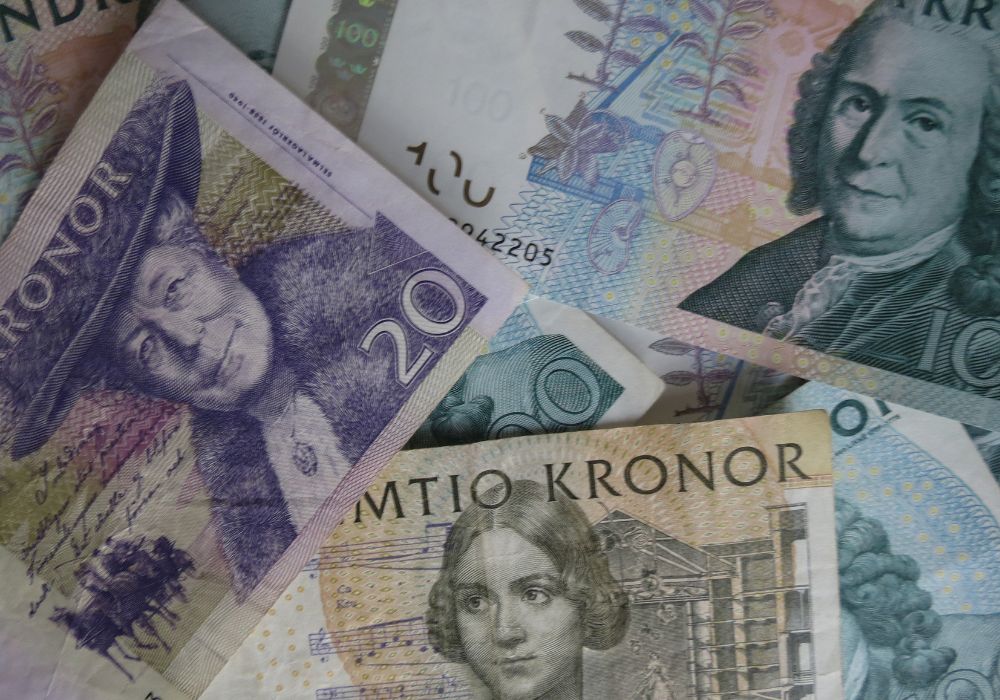
We expected a bout of SEK weakness following the Riksbank rate cut in the spring, but we think the recent sell-off is overdone, and we close our long EURSEK trade, opened in May.

The Olympics are set to push Paris ahead of France in terms of recovery, with international arrivals into Paris rising to 15% above 2019 levels.

Announced tariff increases by the US and EU on made-in-China EVs, if implemented, will increase EV prices and reduce demand. This will slow the adoption of EVs globally, to the detriment of the energy transition.

The global pump market experienced a modest recovery in 2023. For 2024, we project a 2.5% growth in the market, reflecting a cautious optimism amid varied economic conditions.

The UK election has concluded with Labour securing a landslide victory. This result is likely to set the stage for a period of political stability and, combined with signs of a consumer-driven economic recovery, makes domestic-focused UK stocks increasingly attractive.

We upgraded our natural gas price forecasts in the US and Europe due to greater demand from air conditioning over the summer months. However, our price forecast upgrade for Europe is more bearish than current market expectations.

Oxford Economics has once again been recognized as one of the top performers in the 2024 FocusEconomics Analyst Forecast Awards.
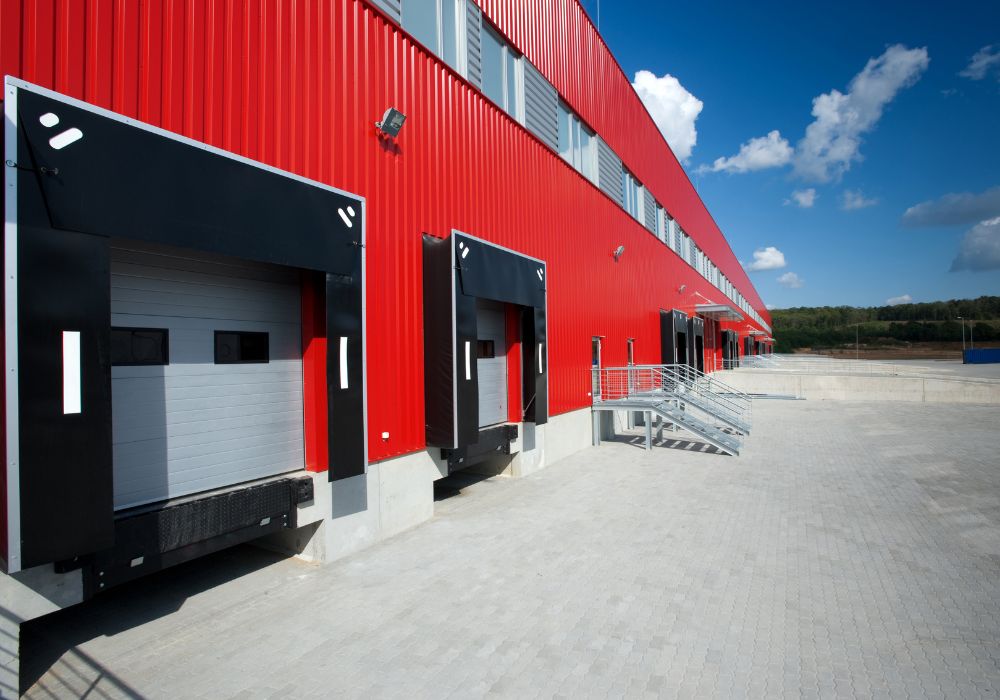
Industrial property has delivered higher returns than all other property types over the last few years. We forecast that this trend will continue despite the contraction in the warehousing sector.

The near-term outlook for US industry is expected to be relatively steady. However, the results of the upcoming election could have significant implications for the medium-term outlook for US industry.

Transport & storage GVA will more than double in Europe’s major cities between now and 2050.

Our conviction that 2023 was the low point for global industrial growth is firming. We expect that value-added industrial growth across the world will accelerate to 2.6% in 2024, up from 1.8% last year.

We recently launched our new Global Cities Index, which covers the 1,000 largest cities in the world and evaluates their performance in five categories: Economics, Human Capital, Quality of Life, Environment, and Governance. In Part 1 of our blog series, we covered the overall results of the Global Cities Index. Now, in Part 2, we take a closer look at the top performers in the Economics category.

Our latest global relative return index (RRI) signals that risk-adjusted investment opportunities in commercial real estate (CRE) should start to emerge this year before becoming more widespread in 2025.

Leading the Global Cities Ranking rankings in 2024 is New York, followed by London, San Jose, Tokyo and Paris.

Oxford Economics is proud to launch the Global Cities Index, a ground-breaking initiative that offers evaluation of the world’s 1,000 largest urban economies.

A recent assessment by the World Bank Group identified the Oxford Economics Model as a superior tool for forecasting commodity prices.
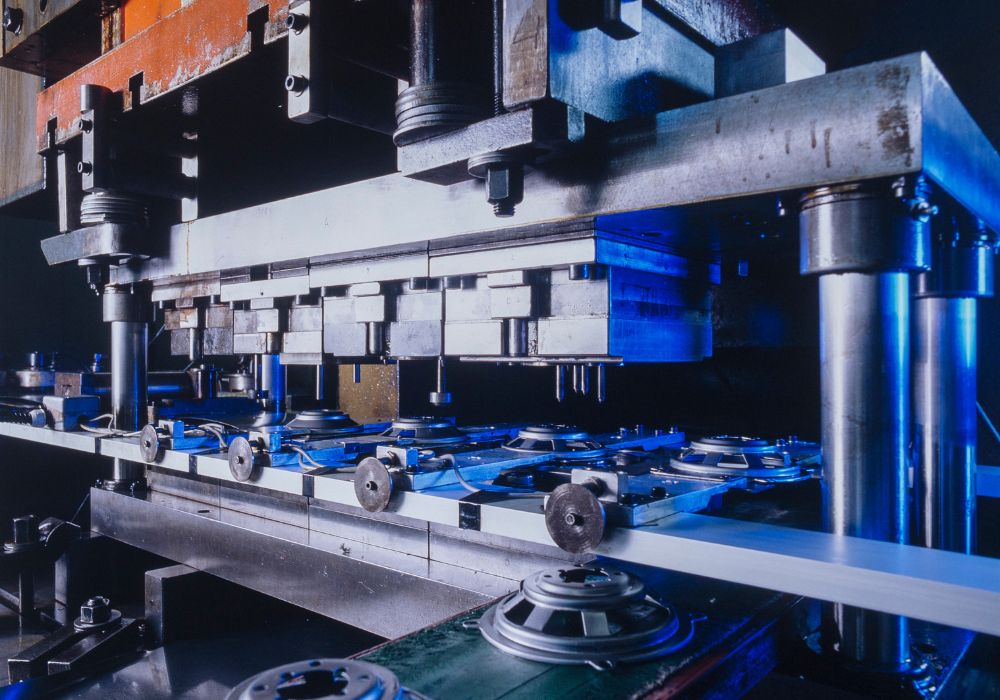
Our new proprietary cycle phase analysis suggests that industrial production in many developed economies has bottomed out and is now poised to enter a period of growth.

Overall, we are slightly more bullish on commodity prices across the forecast horizon as we expect higher metal prices than the consensus.
The Biden administration’s additional tariffs on China are essentially a rounding error for inflation and GDP, carrying no implications for monetary policy. However, Biden’s decision to implement additional tariffs on China is another indication that US industry policy is shifting toward the stick approach, such as more use of tariffs.