


We ask our Model Agent what would happen if the war escalates again. Here are the results.
 Sally Li
We ask our Model Agent what would happen if the war escalates again. Here are the results.

Our Model Assistant brings our economic research and modelling expertise into a conversational workflow, helping clients move more quickly from “what if” to a rigorous, quantified assessment of the impact.
The US-Israel conflict with Iran has given European chemical producers their strongest Q2 in four years. Even so, the improvement is barely registering against the sector’s longer decline.
Over the next 25 years, we forecast real GDP growth across 396 cities in Asia Pacific to average 2.7% per year, faster than the city averages of any other region outside of Africa.
The Iran conflict is increasingly weighing on the global consumer. Rising energy and commodity prices, tighter financial conditions, and growing uncertainty are already squeezing household purchasing power and appetite.

The global build-out of AI capacity is fuelling a trade boom in the goods needed to deliver it.
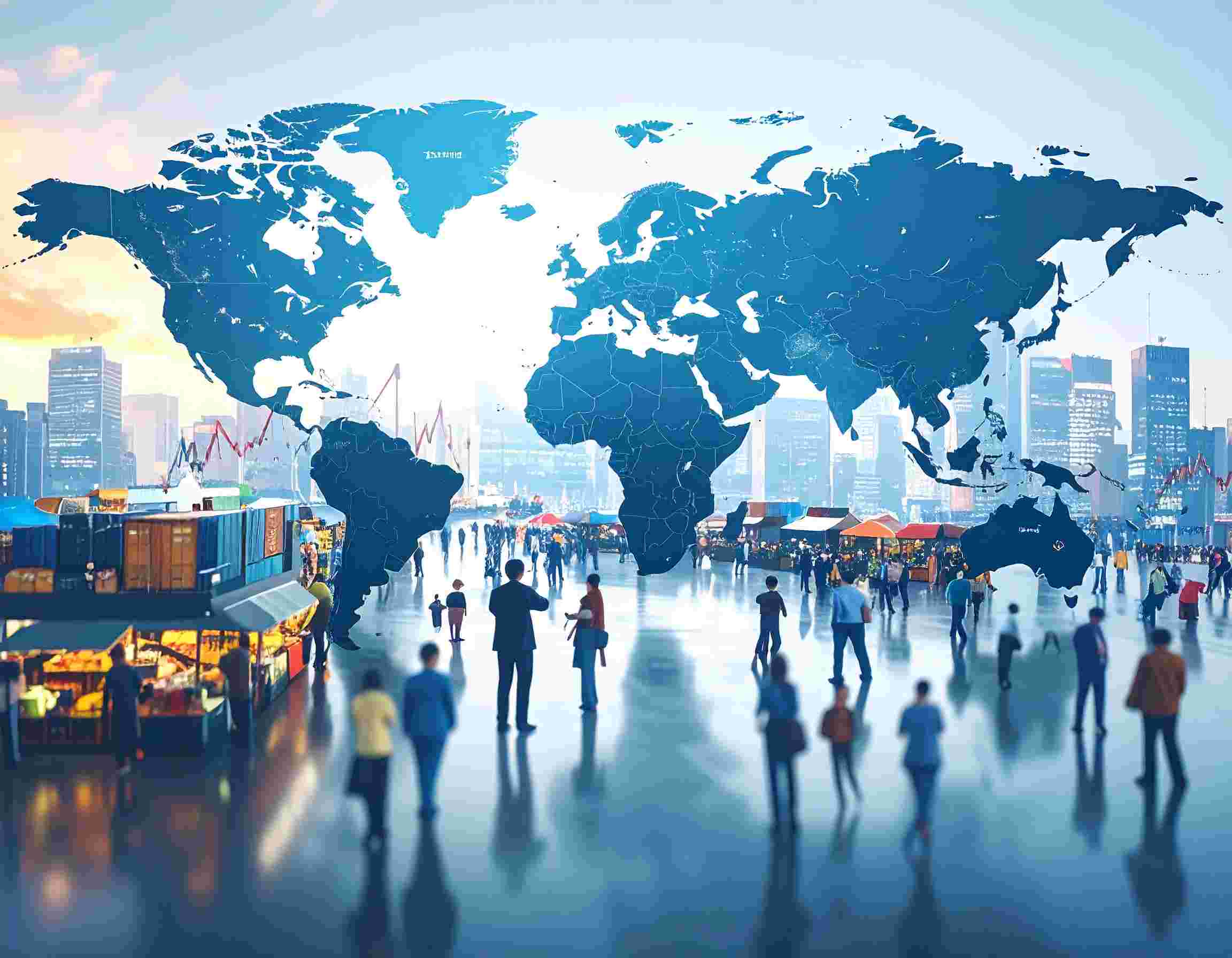
What if you could see not just which cities are growing, but precisely where that growth is expected to happen?
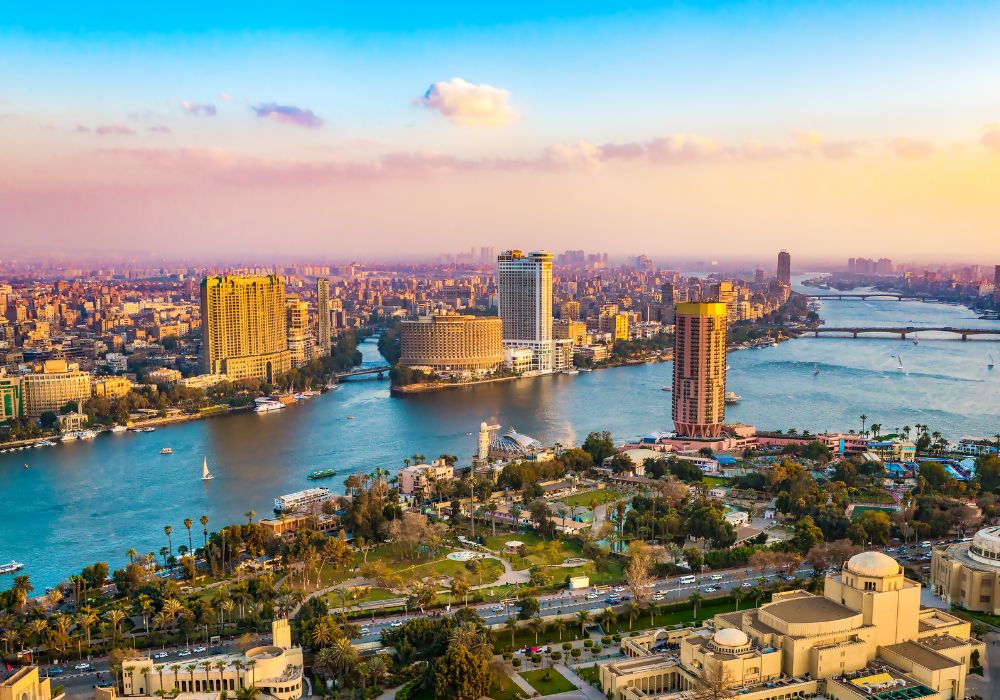
Of Africa’s 113 cities covered in the Global Cities Index, 97 have moved up the rankings this year.
The Federal Reserve’s tilt toward a more hawkish stance under Governor Kevin Warsh has revived debate on “bullish rate hikes”. While history does provide evidence of a few cases, we find little basis for optimism this time around.
How close is the global bond market selloff to an end?

The AI boom continues to grow and is now among the largest of the tech-related booms over the past two centuries. The surge reflects hopes for very large returns from this new technology, but the evidence for these is limited so far.

US cities dominate the upper reaches of our 2026 Global Cities Index, accounting for half of the top 10 cities and nearly a third of the leading 100 cities.
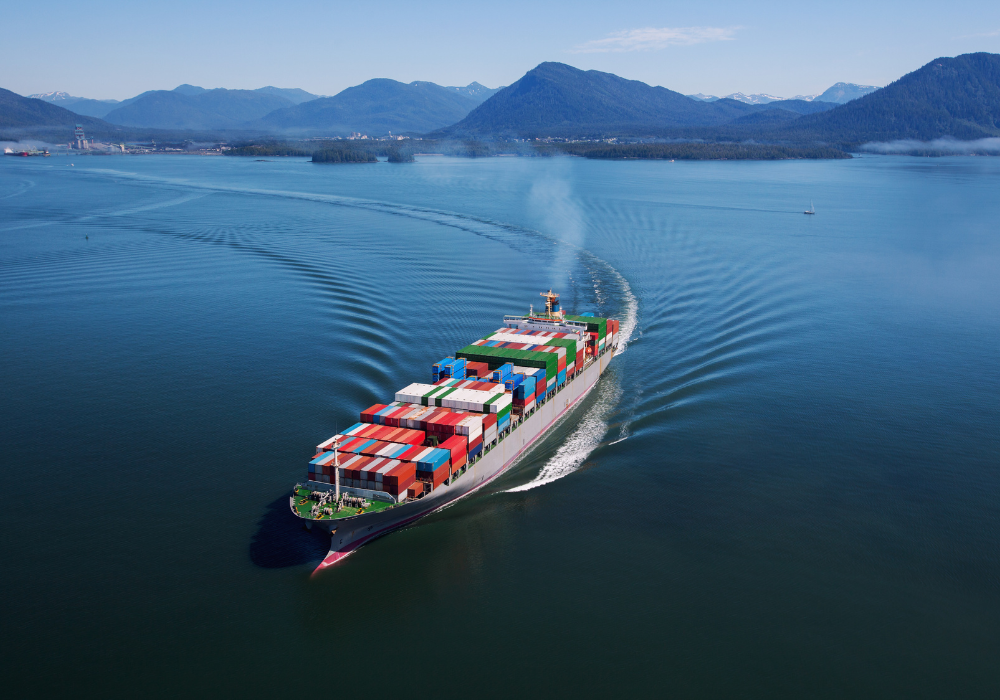
Higher bond yields, inflation, and oil prices are raising the cost of trade.

Within the top 100 of our 2026 Global Cities Index, Europe represents almost half, ahead of North America with its 34 cities.
Oxford Economics has launched AskOEAI Business Foresight, a new AI agent designed to help organisations connect economic change directly to their revenue and build business forecasts they can defend.

North America, Europe, and advanced Asia have the highest Economics scores in the 2026 Global Cities Index.

Our 2026 Global Cities Index has landed, with New York once again topping the charts, while London and Paris remain unchanged in second and third place.
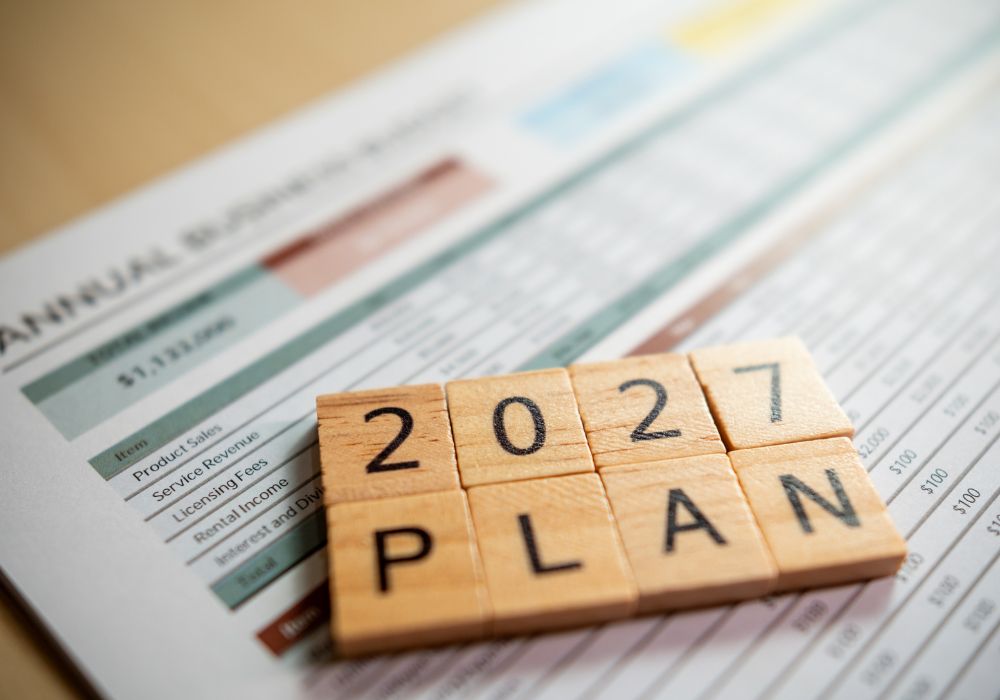
The global economy has again proven remarkably resilient to a swathe of geopolitical shocks in 2026, and we can expect that to continue into 2027.
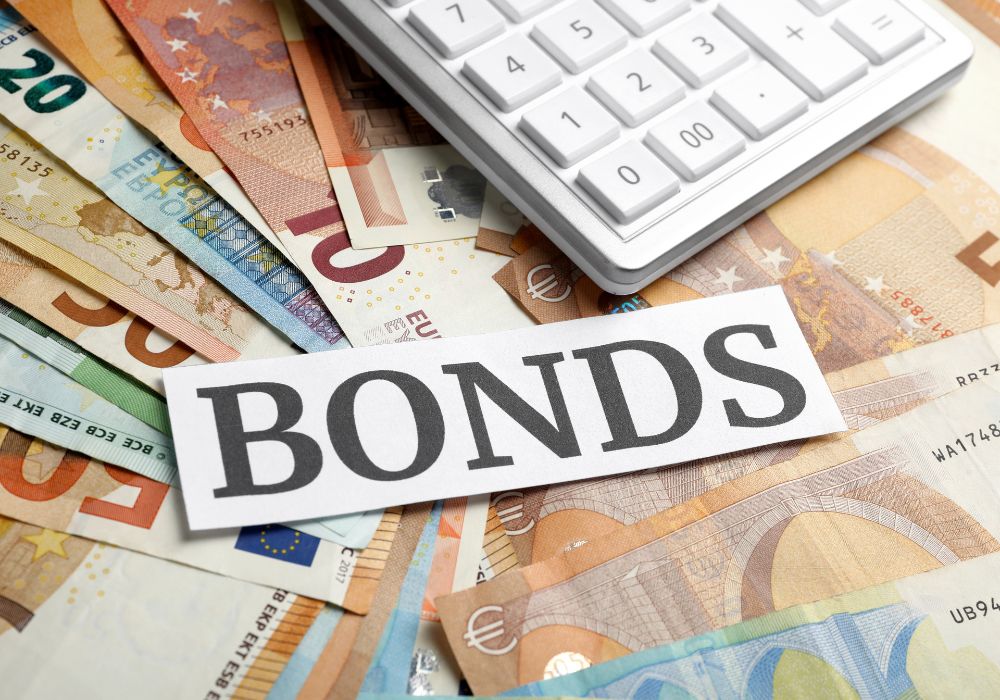
Is the “end of the global savings glut” story reflected in bond prices? Three different approaches to fair value for 10-year Treasurys suggest the answer is yes.

Canada’s proposed “dollar-for-dollar” retaliatory tariffs on the US after the collapse of trade negotiations will further dampen economic growth.