



As businesses move beyond experimenting with chatbots, the question is no longer whether to use AI, but how to apply it effectively.
 Sally Li
As businesses move beyond experimenting with chatbots, the question is no longer whether to use AI, but how to apply it effectively.

AI will not replace economists. It does, however, give us an opportunity to refocus where we add the greatest value.

China’s low-cost AI models are narrowing the US AI moat, reshaping competition and raising questions over valuations, compute and the economics of AI scale.
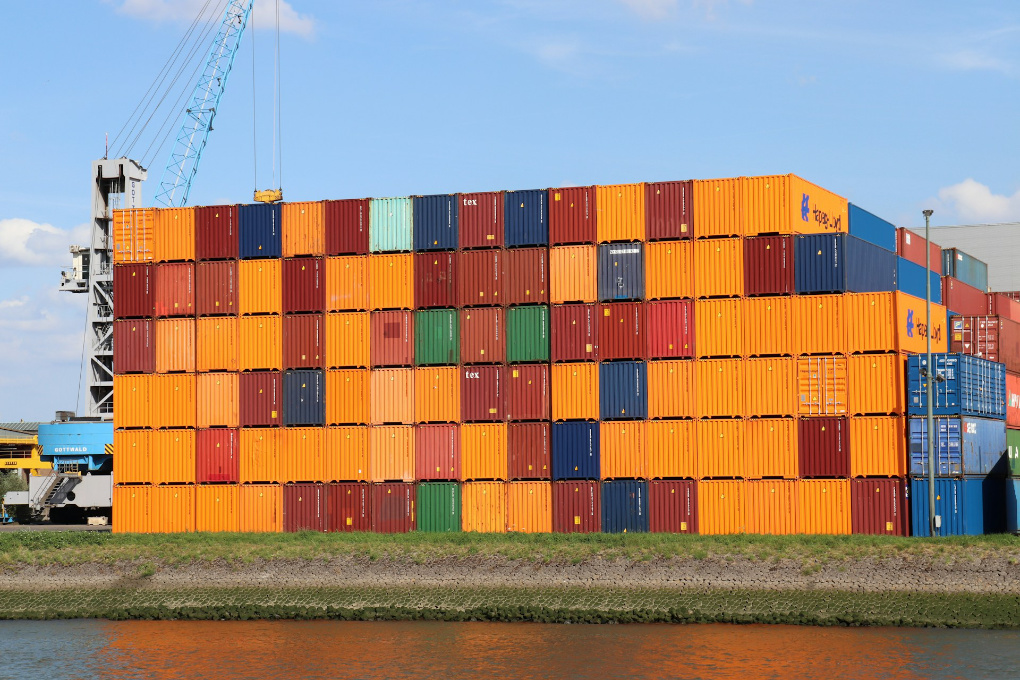
The closure of the Strait of Hormuz has cost the global economy dearly. But Hormuz is one of around 30 maritime chokepoints that control global trade.
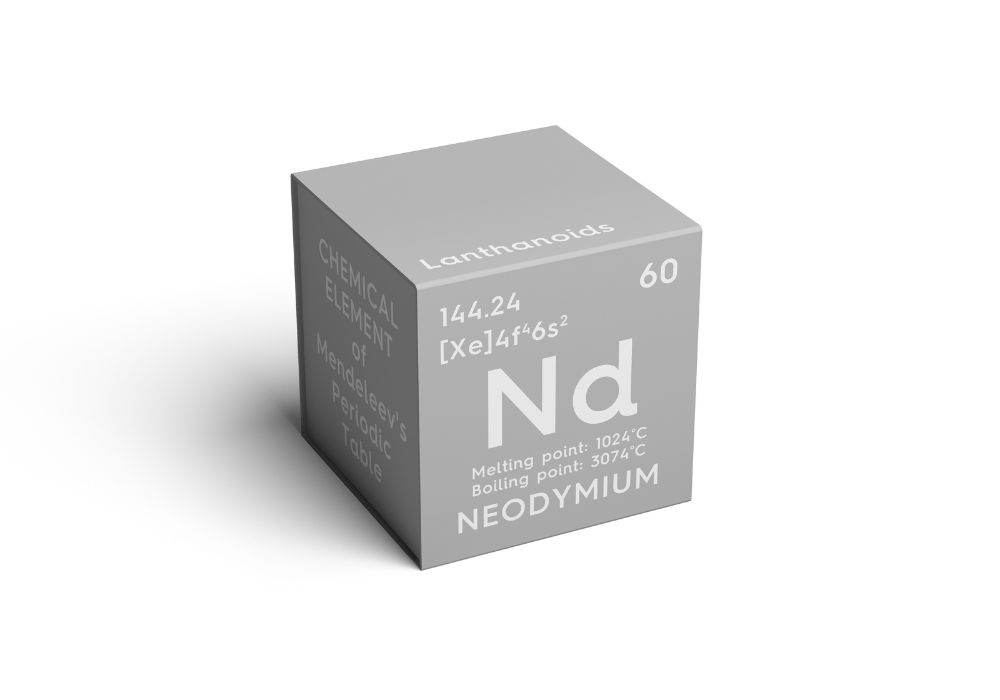
Our forecasts for neodymium, praseodymium, dysprosium, and terbium indicate a steady but uneven rise in prices through 2035.

We expect a more drawn-out Middle East conflict, with a long-term reduction in the level of shipping through the Strait.

President Donald Trump’s declaration that the ceasefire between the US and Iran is allegedly over has only highlighted the fragile nature of the situation in the Middle East.

Oxford Economics today announced the beta launch of AskOEAI Executive Lens, a new conversational AI agent that personalises Oxford Economics’ insights based on each user’s organisation, sector, geography and role.

Our downside IFRS 9 and CECL scenarios see inflation fall below baseline levels, rather than rising further.

Manchester’s growth has outstripped all its UK peers in recent years. However, weak income growth and high housing costs pose a significant challenge.
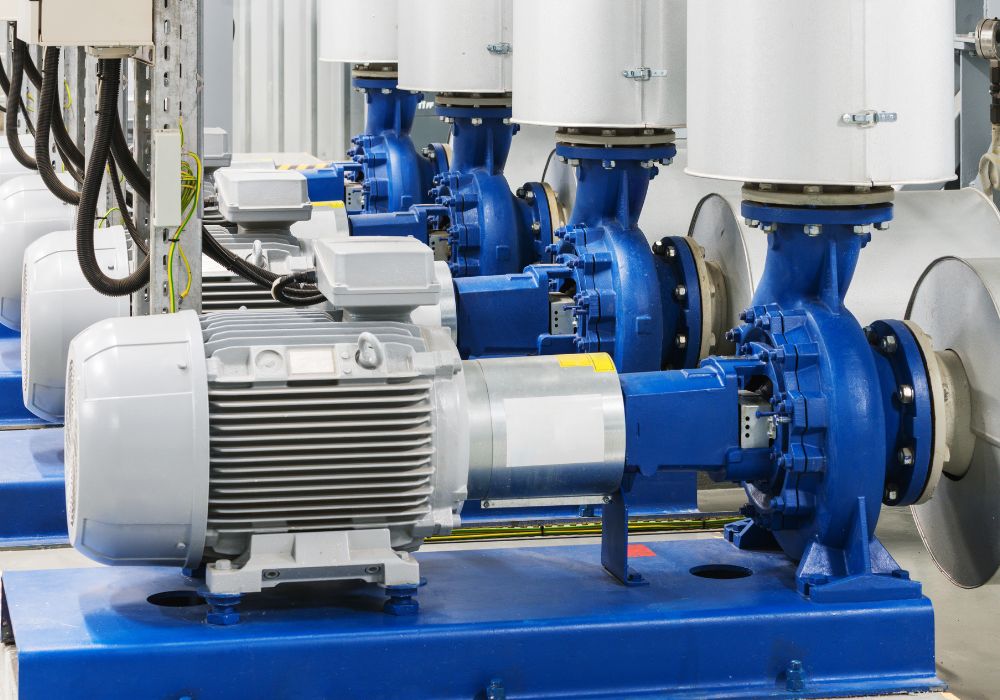
Looking ahead, we are expecting pump demand to expand by 2.6% in 2026 to stand at US$62.5 billion.

The global investment growth trend is still weak, with G7 capital spending expected to rise just 2% this year.
It’s not the breadth of AI adoption that matters, but how it’s being used.

Our proprietary Asia Chip Export Index surged in March, by 80.7% y/y in value and by 28.3% y/y in volume. The divergence between chip exports in value and volume terms has reached a 15-year high.

The Iran conflict is increasingly weighing on the global consumer. Rising energy and commodity prices, tighter financial conditions, and growing uncertainty are already squeezing household purchasing power and appetite.

The US-Israel war with Iran reinforces a long-standing narrative but rewrites a few key chapters.

AI spending is set to become the primary driver of incremental enterprise tech spend growth, rising from $340 billion in 2025 to around $3 trillion by 2035.

Explore how NGFS short-term climate scenarios could reshape industries, revealing sector vulnerabilities, and the impacts of physical and transition risks.
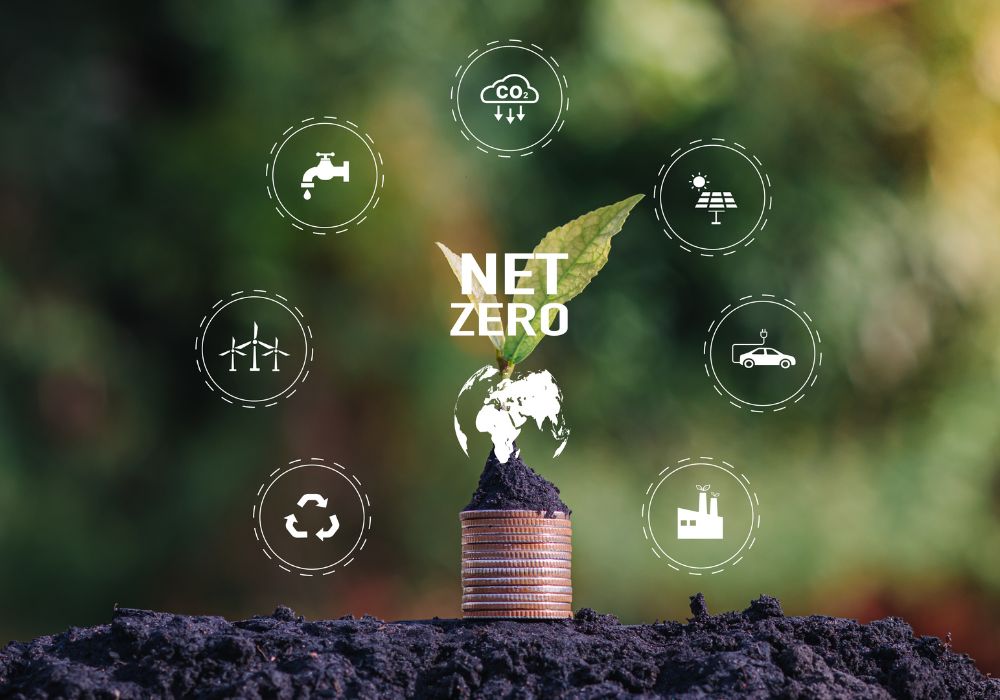
A Net Zero transition would reshape the industrial landscape. Growth is concentrated in sectors tied to electrification and critical minerals.

Explore the key trends shaping consumer demand in 2026. Get expert insights and reports from Oxford Economics, featured at World Retail Congress.
