



A growing number of investors and regulators are beginning to scrutinise nature-related risks with the same rigour they now apply to climate.
 Sally Li
A growing number of investors and regulators are beginning to scrutinise nature-related risks with the same rigour they now apply to climate.

A year after our “world of self-interest” thesis, we examine how global economic policy, trade, and markets have evolved and what comes next.
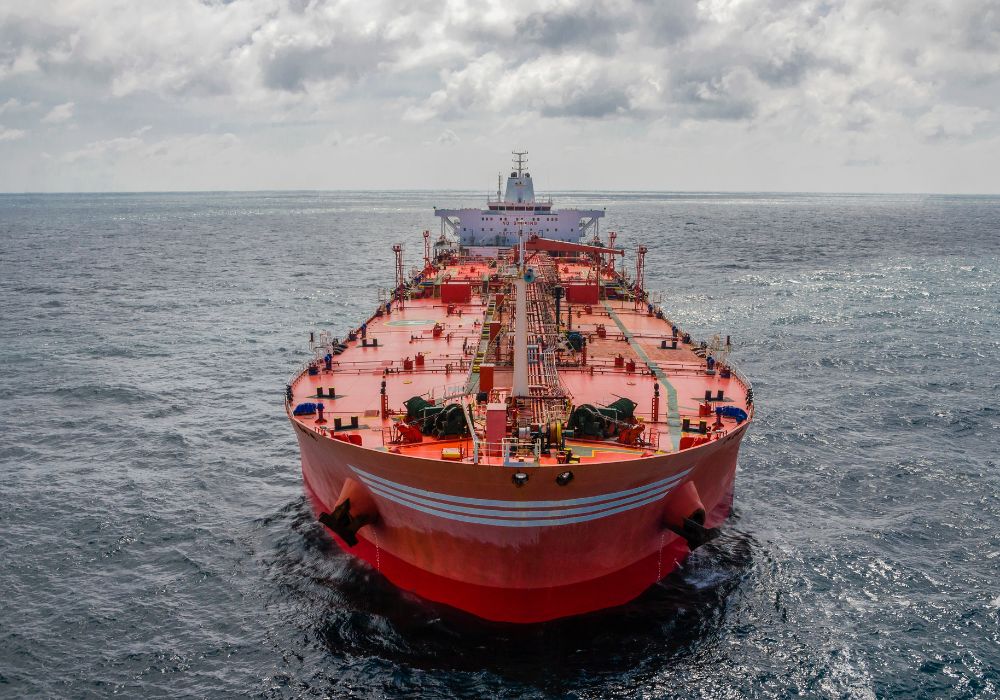
APAC’s interventionist government measures are imposing macroeconomic costs that markets may be underestimating.
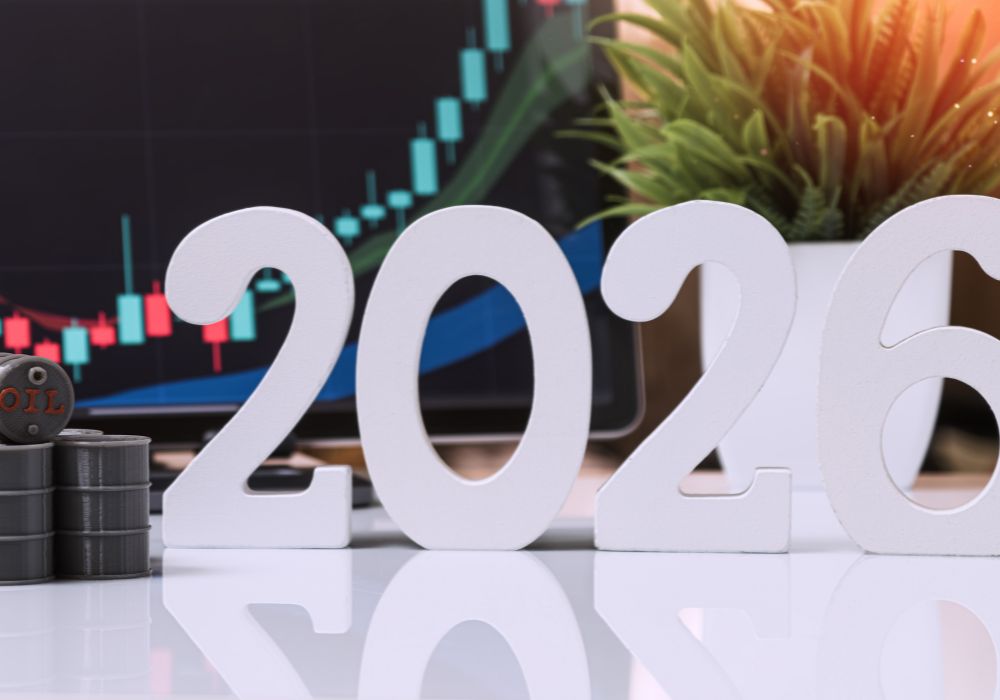
More than two-thirds of commodities are expected to record price increases in 2026 as a result of the Iran war and the broader geopolitical shock.

Why are Easter eggs so expensive? Rising cocoa prices, supply shortages, and the Iran war are pushing chocolate prices higher, and keeping them there.
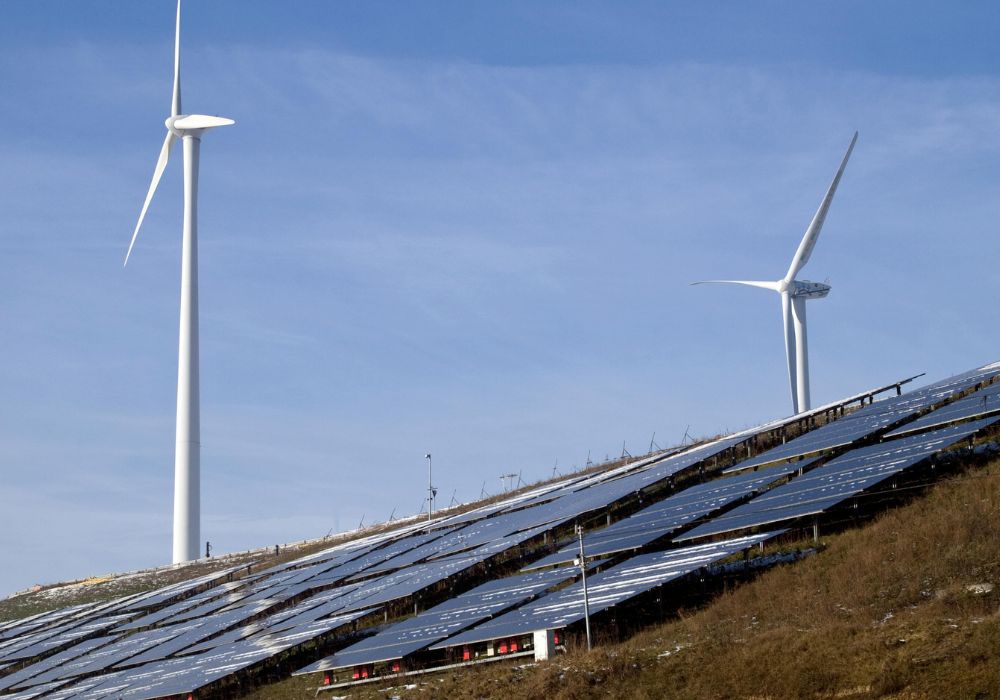
Investment in renewables is no longer only about climate policy. It is also central to energy security and, in many cases, economic stability.

We’ve modelled a “Prolonged Iran War” scenario using our Global Economic Model — and the results are sobering.
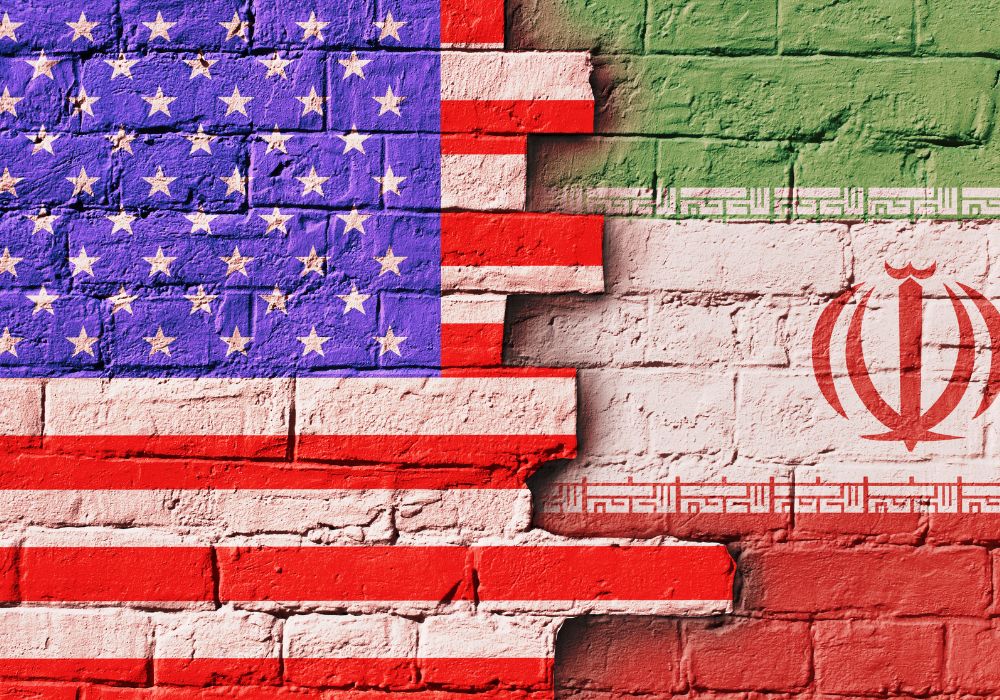
We now expect world GDP growth of 2.6% this year, down from our forecast of 3.0% in February.
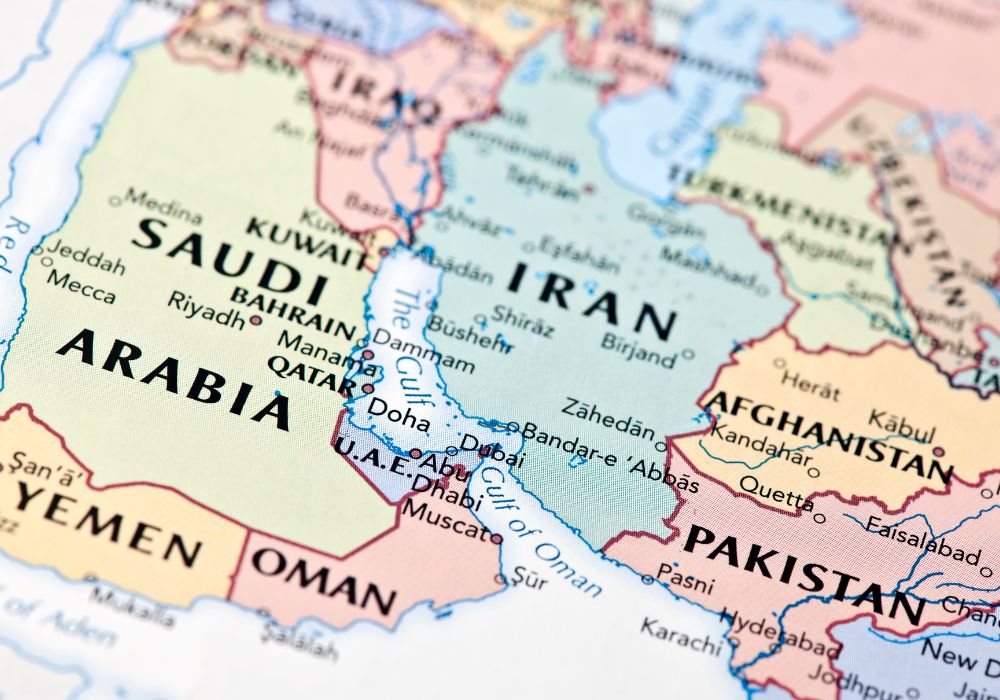
We have substantially upgraded our oil price forecasts, expecting Brent to average $114 per barrel in Q2.

The Iran conflict’s economic fallout shouldn’t curb Eurozone consumer spending much, but the impact could linger.

European energy-intensive industries face structurally higher energy prices than competitors in the US and China. The resulting energy-cost challenges must be addressed.

Is the middle-class growth story a thing of the past and if not, where are the opportunities?

If global oil prices averaged around $140 per barrel (pb) for two months, it would be enough to push parts of the global economy into a mild recession.

While the fundamentals for global industrial growth have remained relatively constant, downside risks have notably risen.
The chemicals and transport sectors are likely to be among the biggest losers from the Iran war, with Europe’s chemicals industry particularly exposed.
We estimate inbound arrivals to the Middle East could decline 11-27% y-y in 2026 as a result of the conflict.
The oil market is well placed to manage the impact from Iran. We now assume oil supply is disrupted by an average of 4 mbpd over the next quarter.
We expect US retail total returns to surpass their pre-pandemic trend over the next five years, the lone sector to do so.
The macro implications of replacing US IEEPA tariffs with a global 15% tariff are minor at best, according to our simulations.
Metals are expected to outperform in 2026, while energy and agricultural commodities are set to weaken on average.
