



The UK housing market faces stagnation with low transactions and flat prices,
while borrowers may see rising mortgage costs ahead. Discover more insights.
 Anusha Suthenthiran
The UK housing market faces stagnation with low transactions and flat prices,
while borrowers may see rising mortgage costs ahead. Discover more insights.
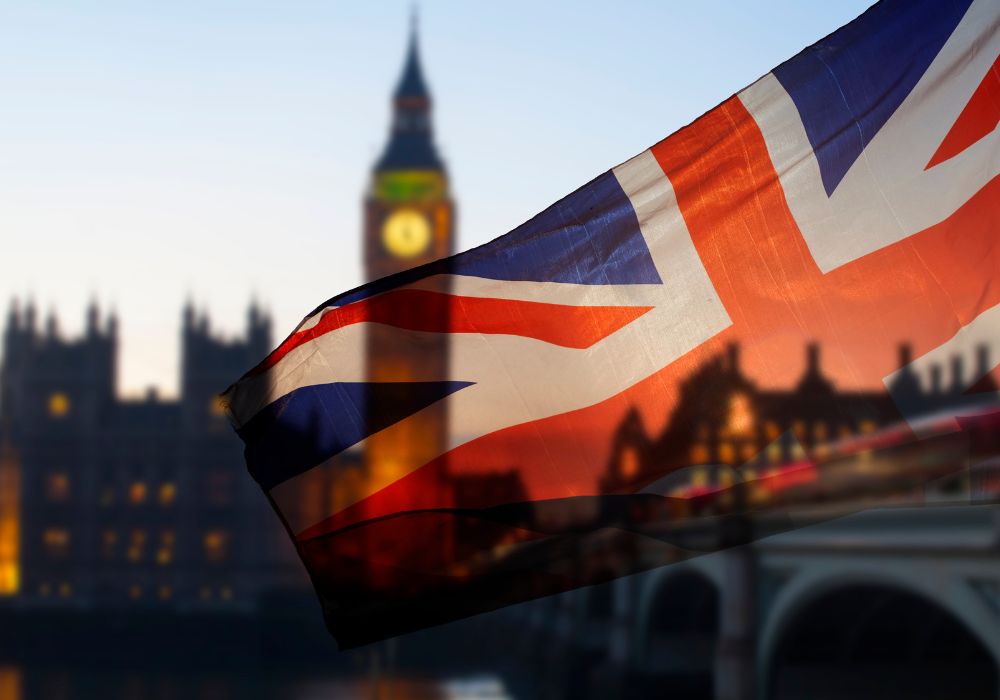
Our Assessing the Implications of Inheritance Tax Reforms in the UK report estimated that a full inheritance tax (IHT) exemption for primary residence combined with an increase in the nil-rate band to £500,000 would cost £6.0 billion in 2029/30. Tax Policy Associates’ (TPA) have estimated the cost at between £7.7 and £10.9 billion.

Since the start of September, we’ve lowered our world GDP growth forecast by 0.1ppt to 2.8%, leaving it at the bottom end of the tight 2.8%-3% range seen in recent years.

Alpine Macro and Oxford Economics today announced the launch of their institutional investment research platform, Oxford Alpine One – One Platform. Better Decisions.

Exploring the economic questions that connect APAC’s major technology policy debates.
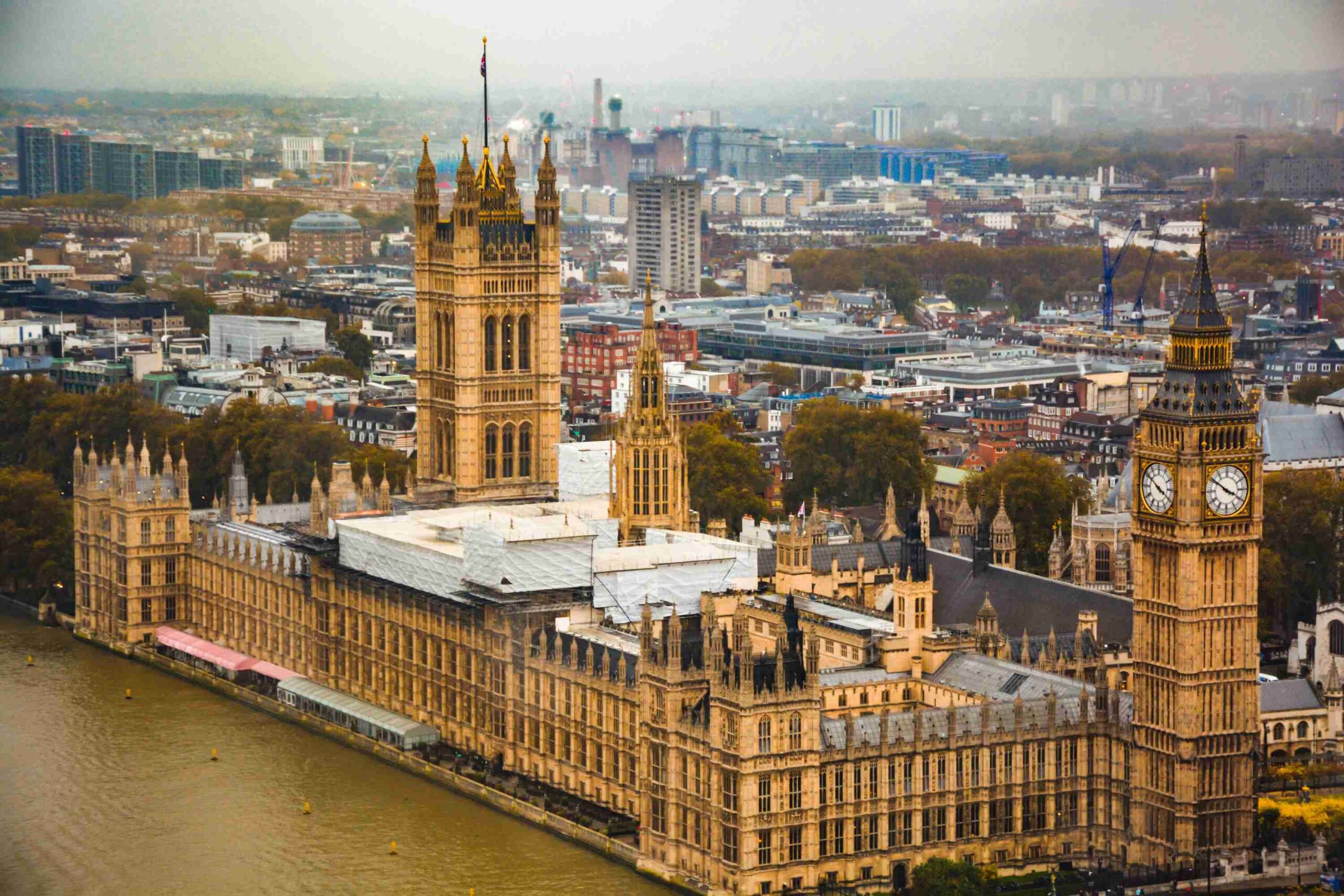
The UK is set for a leadership change, with Andy Burnham likely stepping in. Key economic challenges await, impacting fiscal policy and market strategies.
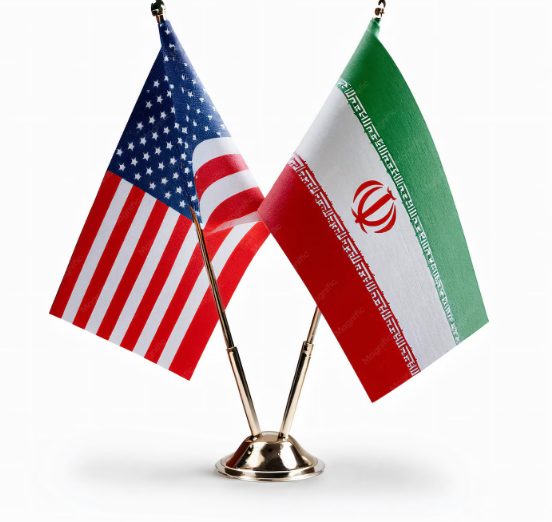
The recent US-Iran agreement aims to stabilize oil markets, but uncertainties and regional tensions may slow progress in shipping through the Strait of Hormuz.

Explore how small firms in Japan impact wage growth and productivity, facing challenges in a changing economic landscape.

Bonds are under pressure from inflation and political instability, while equity markets show modest gains amid rising oil prices and Treasury yields.

The Federal Reserve is considering a balance sheet reduction, facing challenges that could impact financial stability and funding markets.

The data centre landscape in Europe is evolving, with a shift towards remote locations driven by demand for local facilities and renewable energy access.

April’s inflation trends reveal significant shifts in energy prices and core
goods, indicating a divergence between CPI and PCE. Discover more insights.

Market stability is affected by ongoing geopolitical tensions and fluctuating
oil prices. Key economic indicators are on the horizon, influencing future
trends.

Private credit risks are rising, but limited spillovers and lower leverage reduce the threat to broader financial stability.
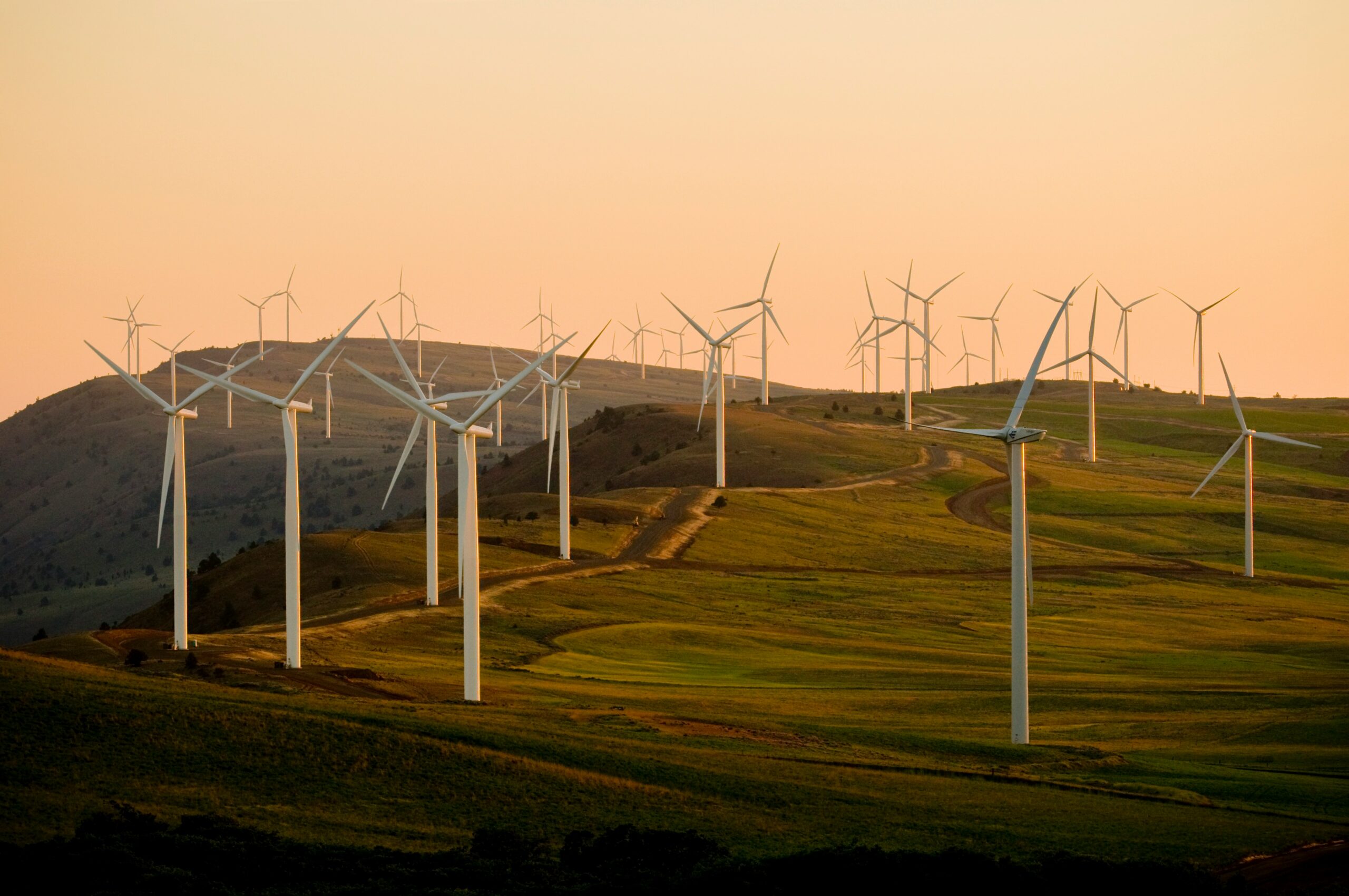
Rising oil and gas prices expose economies to shocks. Could expanding renewable energy be the key to stability?

We are deeply saddened to share that John Walker, founder of Oxford Economics and a pioneer in international economic forecasting, passed away unexpectedly over the weekend.

Commodity markets move fast, but traditional tracking misses the signals. Monthly forecasts uncover momentum and turning points. Discover the real story with Oxford Economics.

Disruption to LNG flows through the Strait of Hormuz poses a bigger threat to Asia than higher oil prices, risking tighter power supply and weaker industrial momentum. Could this energy shock stall the region’s growth engine?
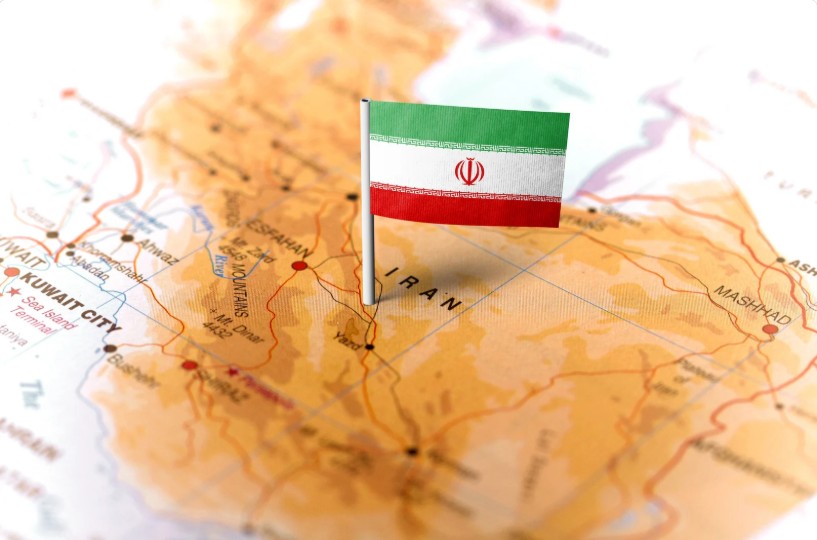
Energy prices are pushing inflation higher in the UK and Eurozone, undermining the idea that central banks can simply look through supply shocks. If price pressures persist, can policymakers really afford to stay on hold?
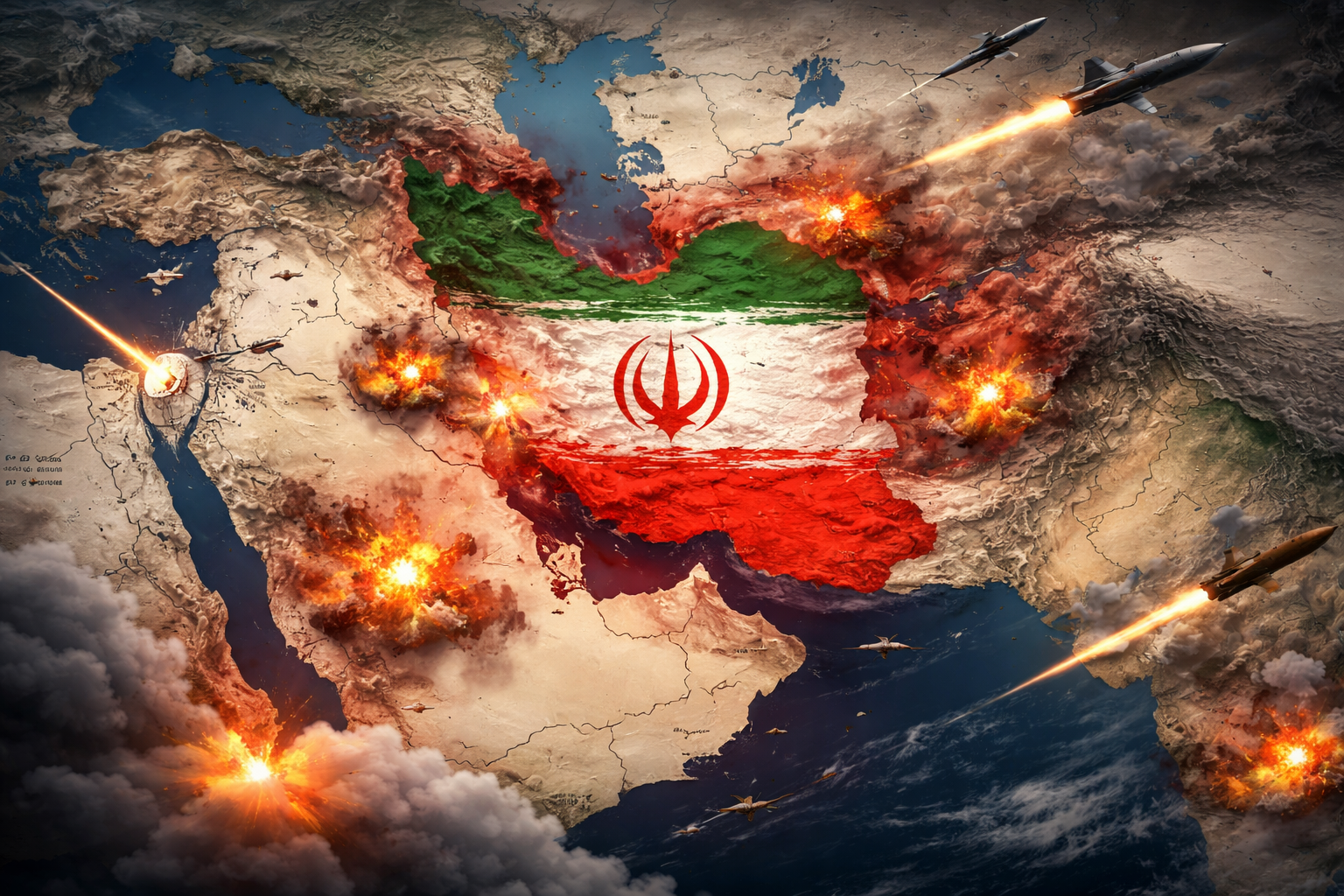
This conflict is larger and more intense than the 2025 12-Day War, with major implications for oil markets, global assets, and investor positioning — but will the shock last longer than two months?
