OE Logo
toy-car-going-up-increasing-stack-coins-against-white-background

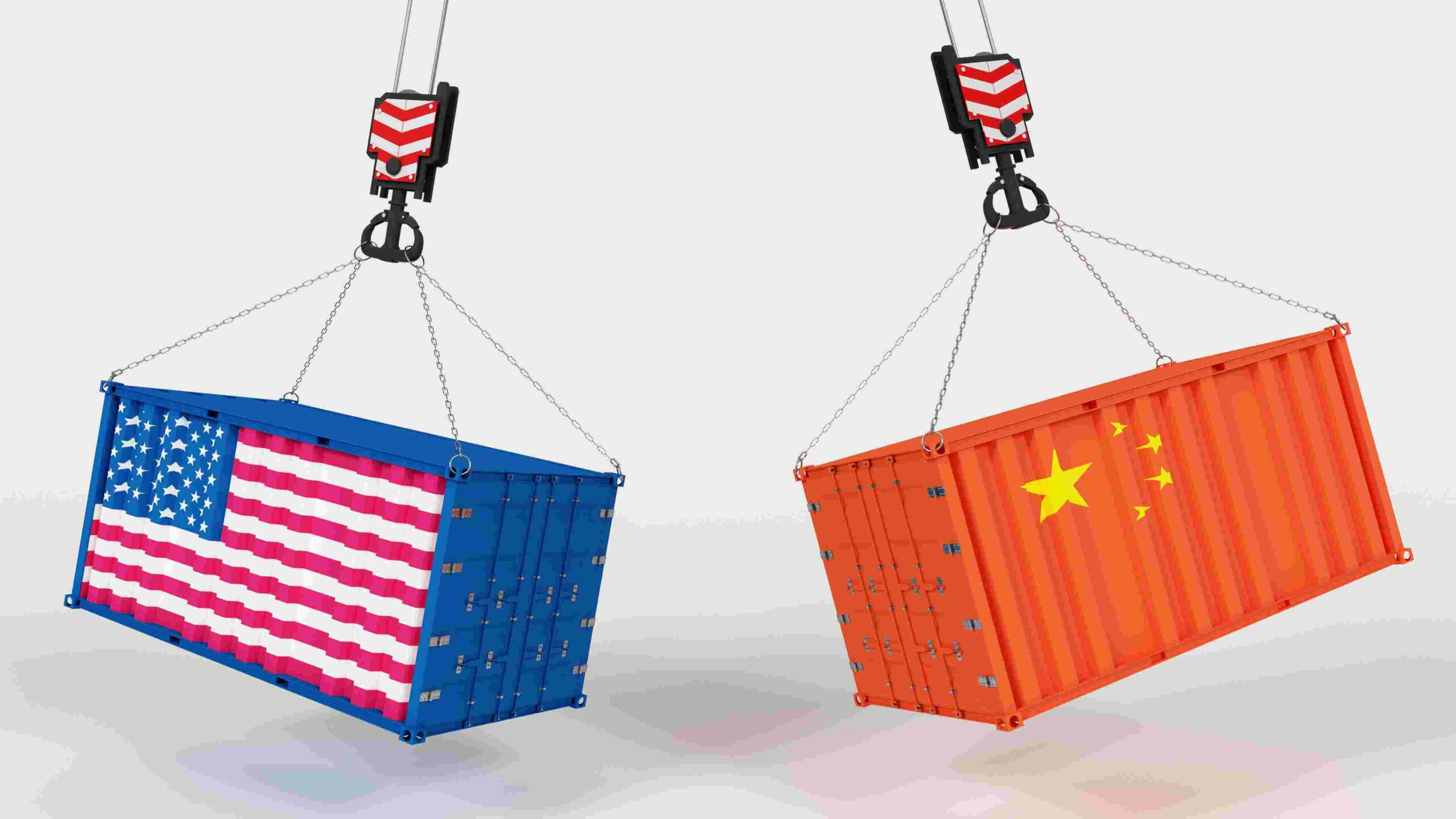
Tariffs are rising and USMCA protections are slipping away, leaving machinery and US automotive sectors exposed. Here’s why these industries could take the hardest hit.

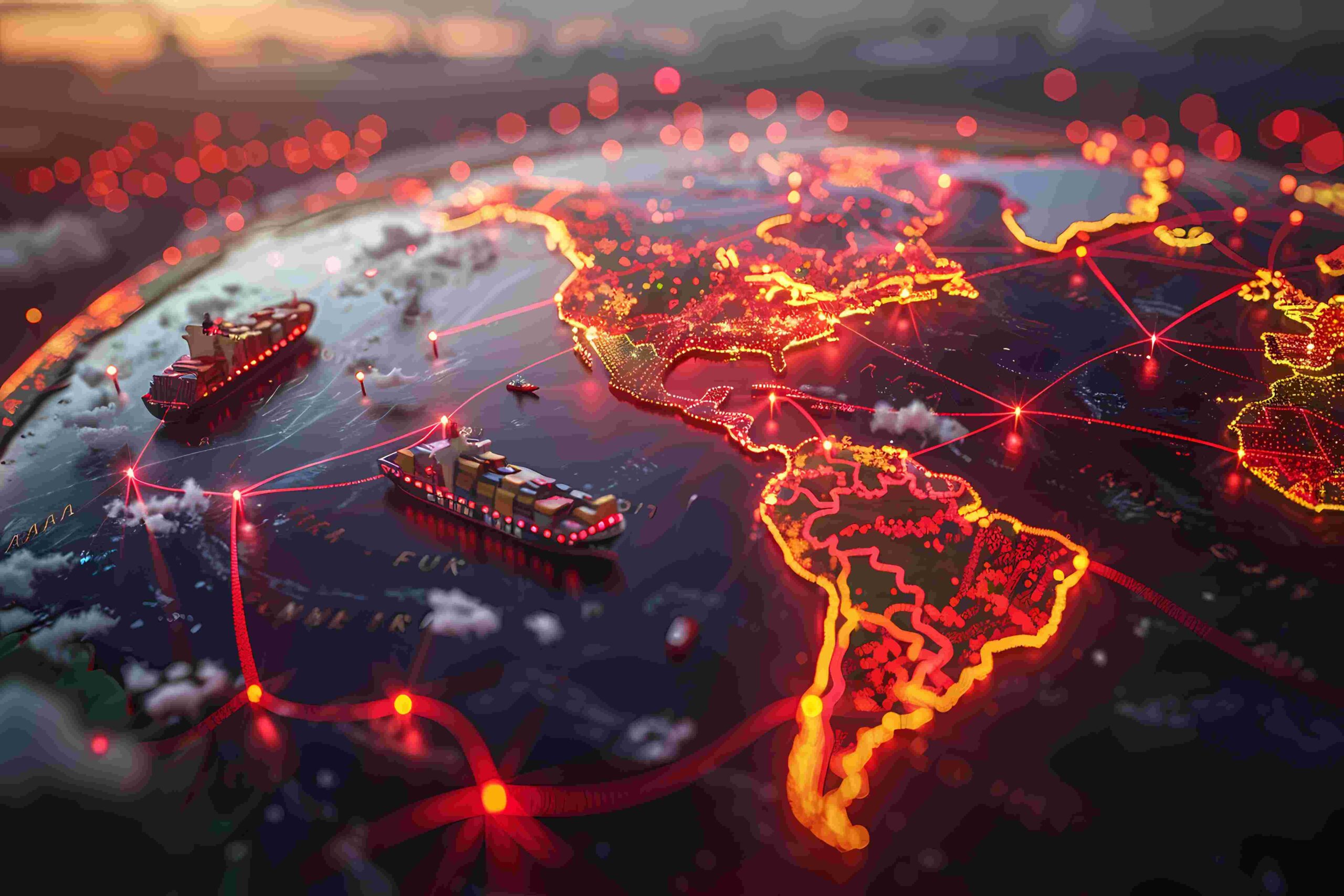
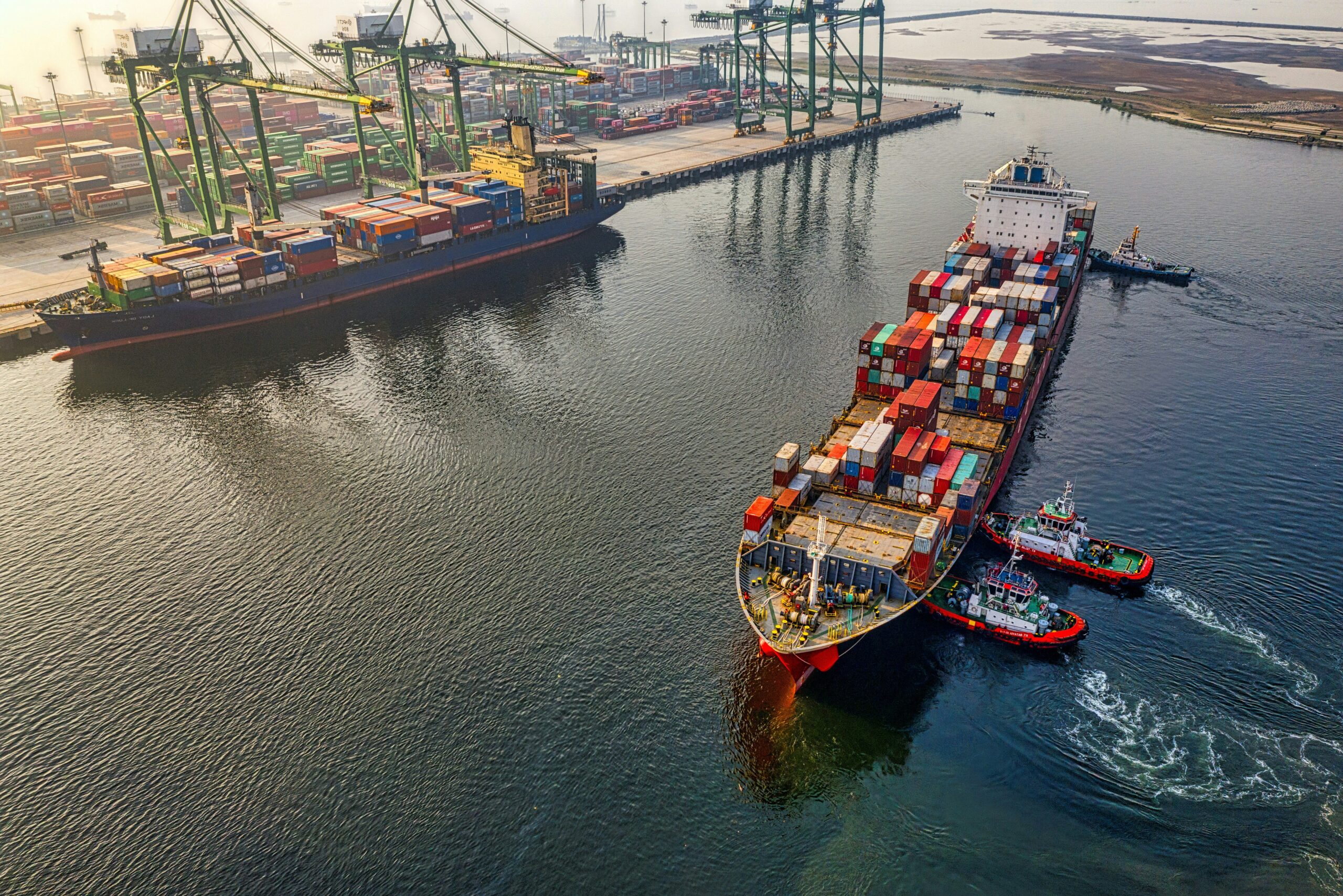
Rising US tariffs, a 50% copper duty, crackdowns on Asian transshipment, and renewed Red Sea conflict are piling pressure on supply chains. Could these developments trigger the next wave of inflation?

bank of england

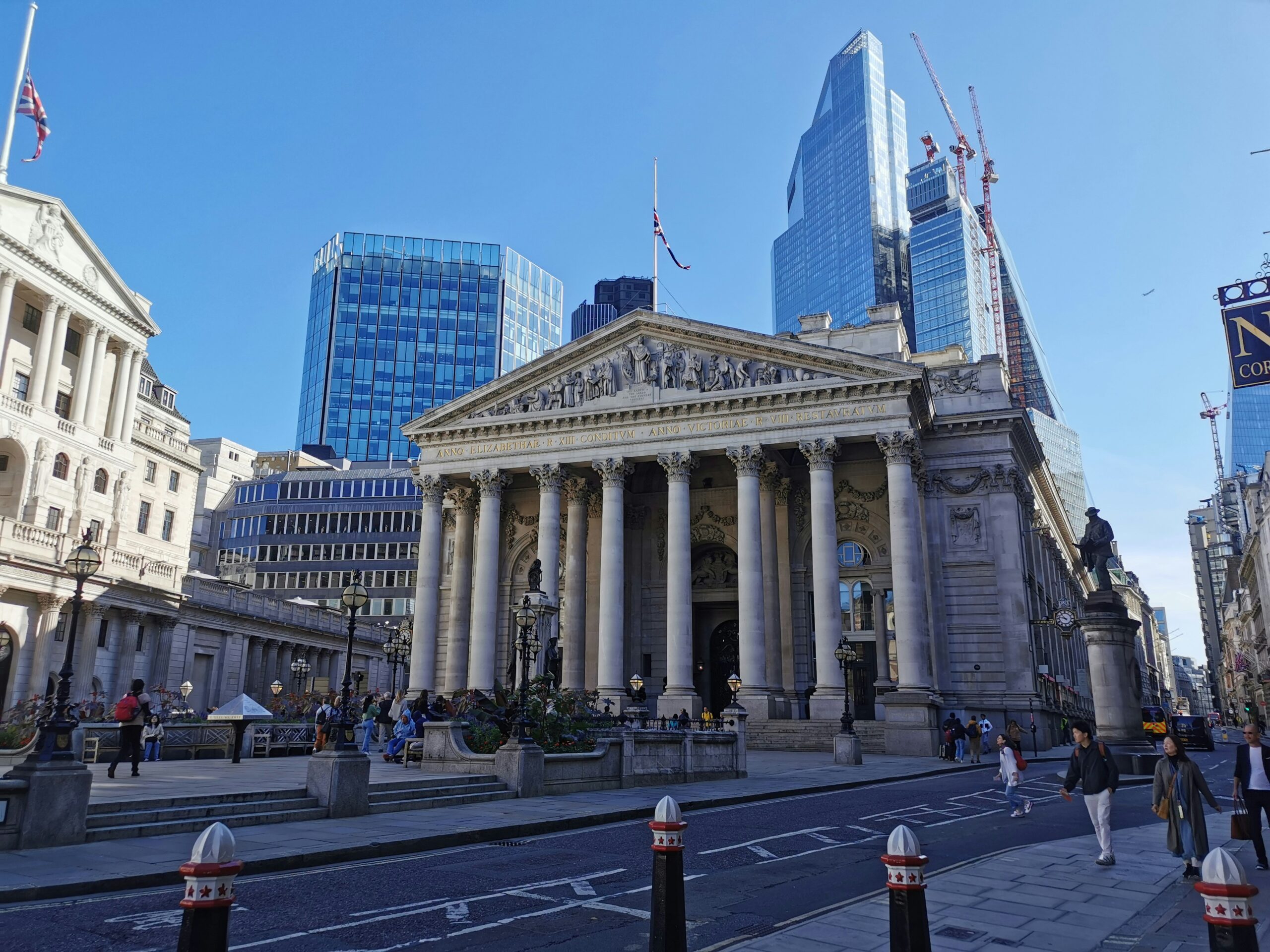
The Bank of England’s new BCST stress test introduces a recalibrated approach to measuring financial resilience in reflecting IFRS 9 impacts and a softer, more realistic stress pathway. What does this mean for lenders and the wider economy? Discover how Oxford Economics extends the BoE’s guidance into a global scenario to help businesses stay prepared for the next downturn.

immigration text printed on a paper

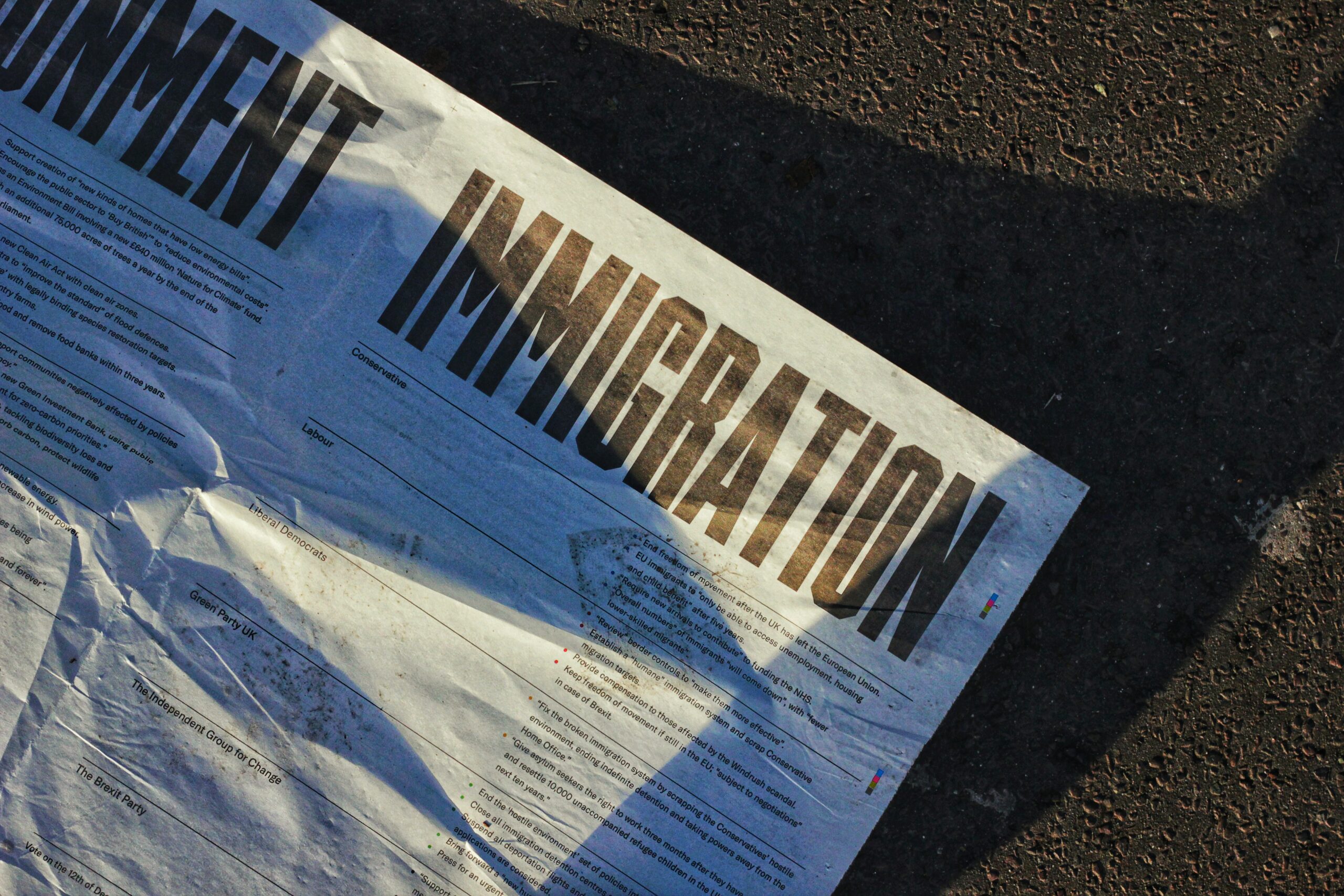
The net immigration into the US has slowed more abruptly than anticipated in the early days of Trump’s second presidency. Could this be the start of a new chapter in US immigration?

EU Flags

The EU plans a narrower, targeted response to US tariffs on goods, but stronger measures may follow amid rising trade tensions. Could the Anti-Coercion Instrument come into play, escalating the trade war, and what would that mean for translantic trade?

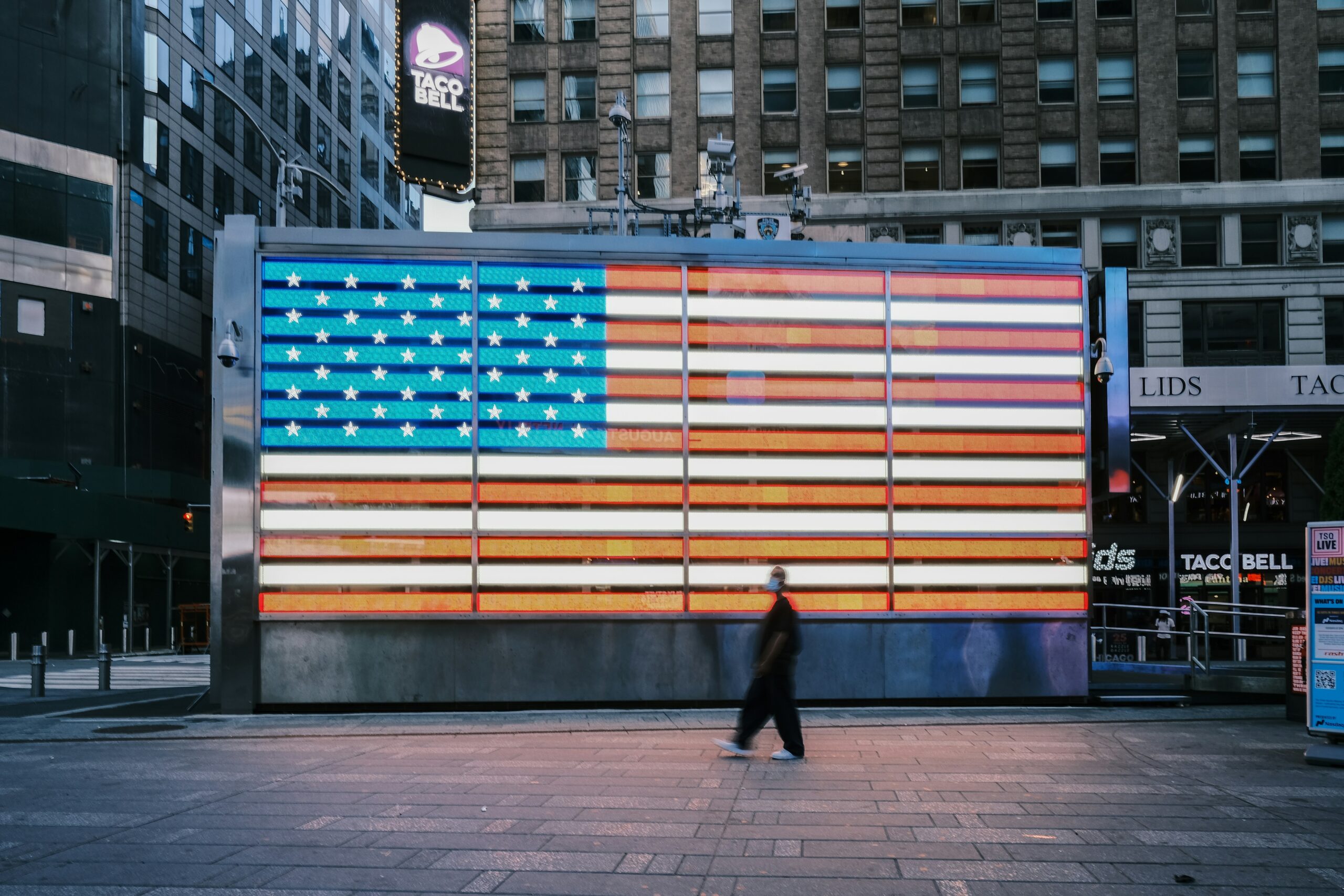
a person walking on a sidewalk with a large United States flag displayed behind them.

The One Big Beautiful Bill Act could boost GDP over the next two years, with new tariffs helping to steady deficits but can it withstand the drag from trade and immigration policy?

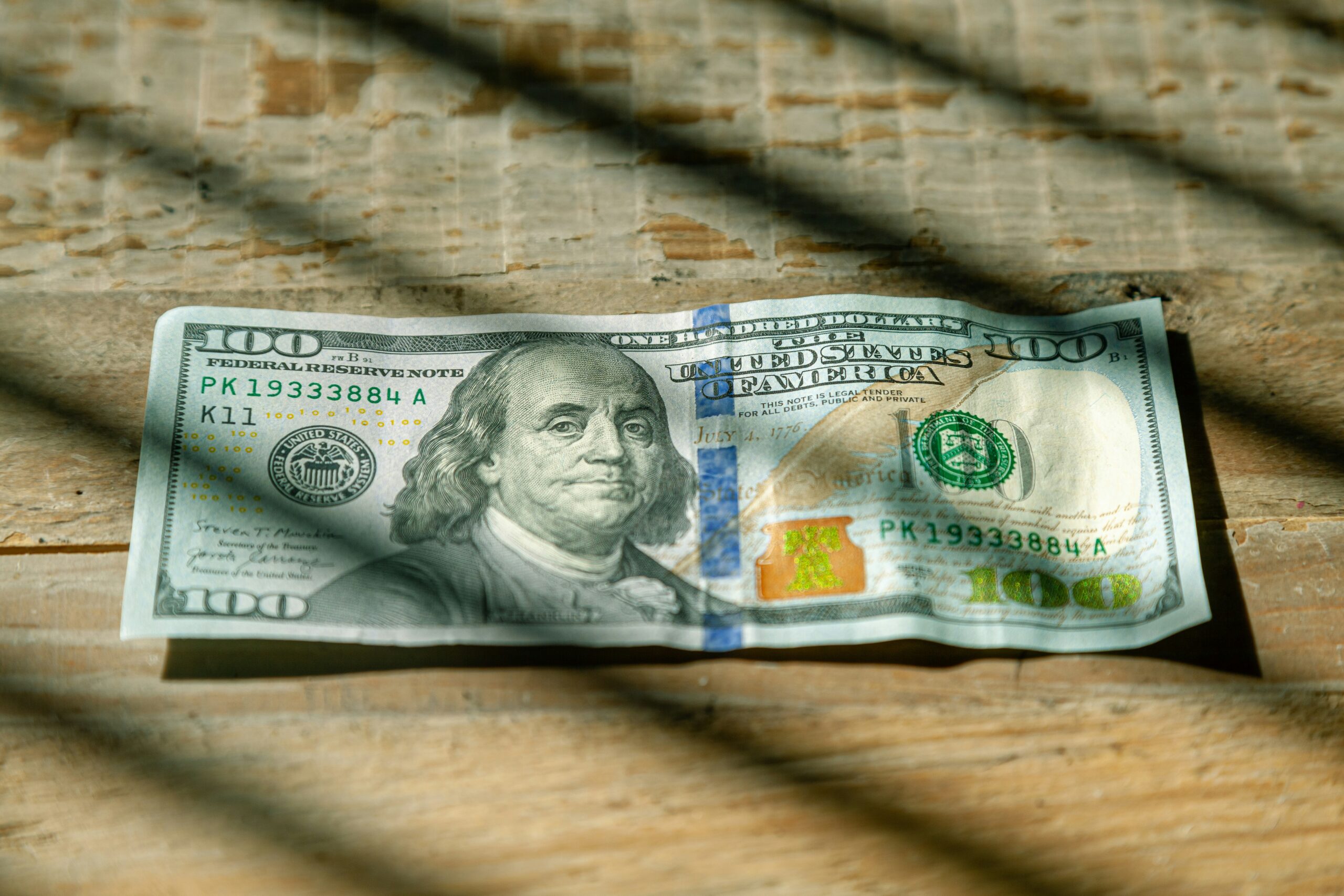
Shadow on US Dollar placed on a wooden table

We believe the recent sell-off in the dollar and US assets stems from cyclical pressures linked to tariffs and market positioning, rather than doubts over its role as the global reserve currency.

Judge gavel with american flag on wooden table

A recent court ruling challenges key tariffs from the Trump administration, sparking uncertainty in US trade policy. As legal battles unfold, businesses and policymakers face an unpredictable road ahead. What does this mean for the economy and global trade?

US FOMC minutes economy

Fed officials remain cautious amid rising inflation and ongoing policy uncertainty. The latest FOMC meeting highlights the challenges facing the US economy and the Fed’s careful approach to managing risks. How will these factors shape the economic outlook moving forward?

US economy at risk for recession

Rising tariffs, tightening credit, and slowing demand are straining the US economy especially for small businesses. Could these be early signs of a recession?

Unemployment ahead crisis warning

Higher unemployment among recent US graduates is driven by structural shifts in tech hiring and AI displacement. Labor force participation remains steady, and layoffs are low. While this raises Fed concerns, it does not affect the current interest rate forecast.

House republican bill affecting the US forecast

House Republicans have narrowly passed a reconciliation bill aligned with President Trump’s economic goals, including short-term tax cuts and cost savings.

US student loan

The end of student loan forbearance is expected to have minimal effect on consumer spending, though delinquencies and credit score declines may increase, particularly in the Southeast.

global scenario on us tariff

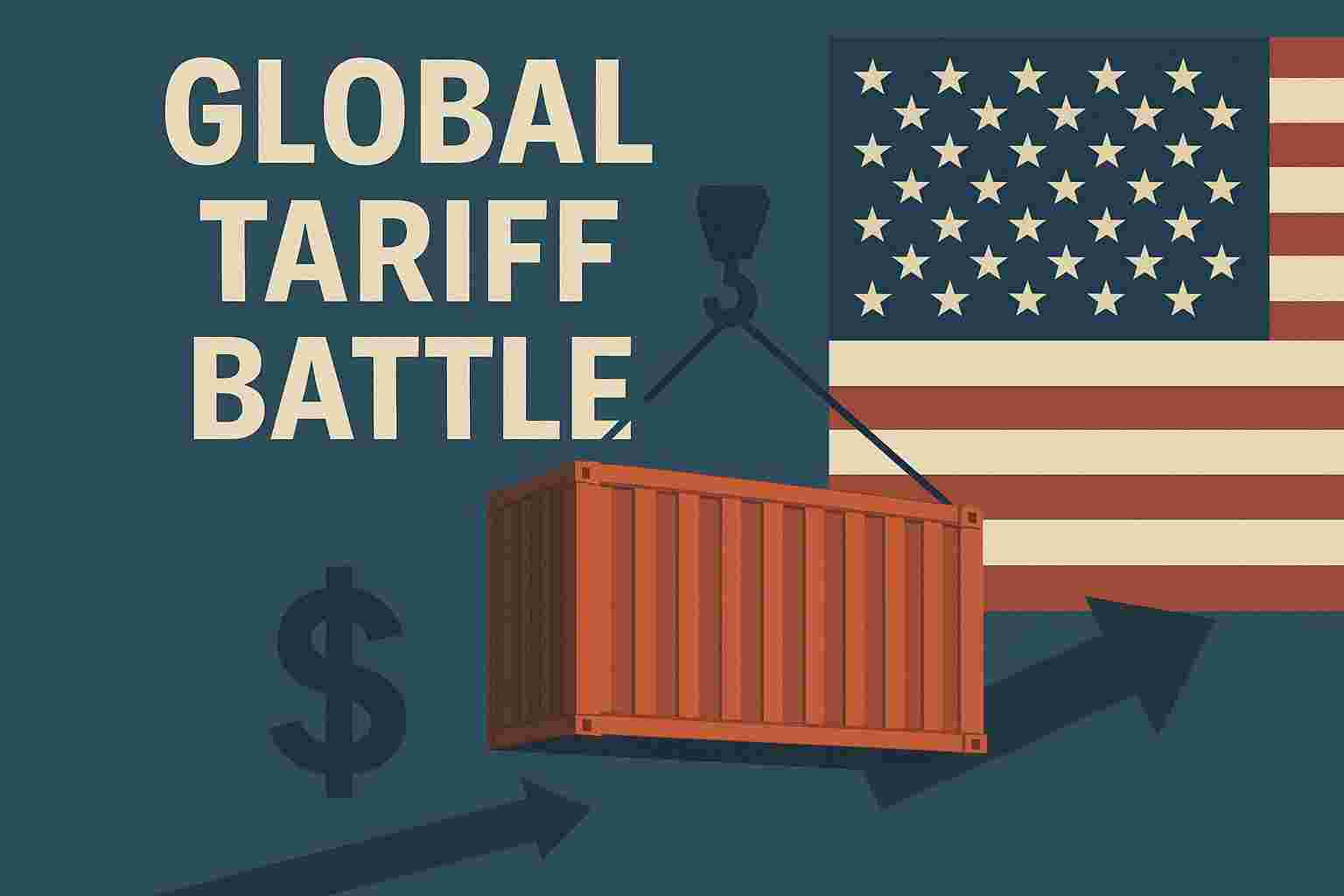
The worst-case US tariff scenario sees significantly weaker growth than in our baseline, but the upsides to growth for many countries in our best-case scenario are modest at best, especially when compared with our pre-‘liberation day’ views.

Credibility Gap in Climate Policy

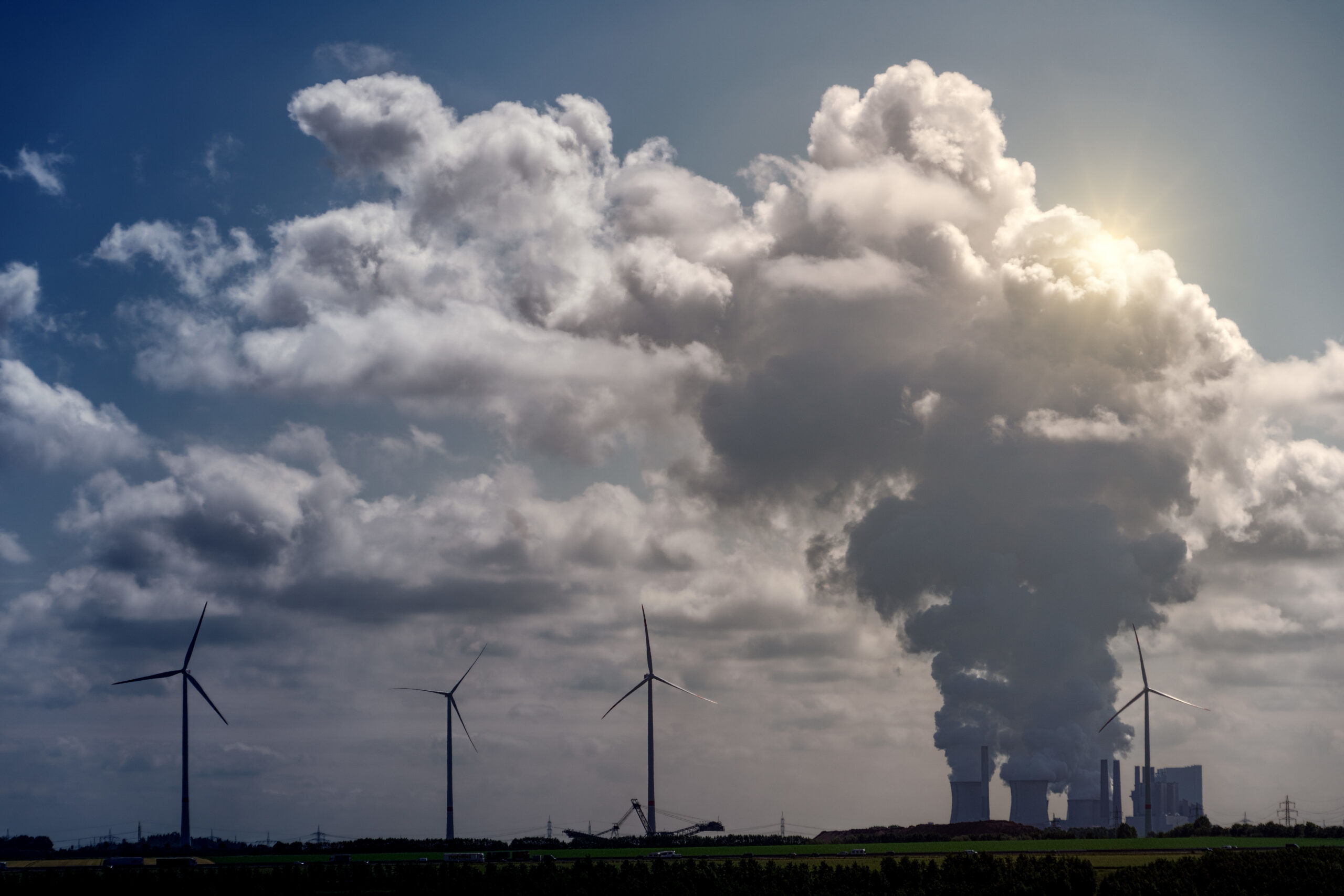
Many G20 countries lack credible climate targets, undermining efforts to meet Paris Agreement goals. Countries representing 65% of global emissions have low NDC credibility, increasing the risk of a delayed and costly transition. Strengthening policies and governance is essential to restore momentum and align with emissions goals.