



We expect global industrial production to grow by 2.6% this year, up from 1.8% in 2023. Our view remains that value-added industrial production bottomed out last year and is on course for a gradual recovery.
 Saarah Ghazi
We expect global industrial production to grow by 2.6% this year, up from 1.8% in 2023. Our view remains that value-added industrial production bottomed out last year and is on course for a gradual recovery.
The onset of the Federal Reserve’s easing cycle is typically positive for equities so long as the US economy avoids a recession.

Economic policy uncertainty is rising earlier than normal for a presidential election year, and this has implications for the Q4 growth profile. Because of heightened uncertainty, we will adjust our forecast for Q4 business investment in nonresidential structures and equipment lower as we update the September baseline.

The economy remains in transition and is settling into a more sustainable pace of growth, with next year being decent but unspectacular. In our view, the probability of a recession in the next 12 months is low, but not zero.

We believe that recent jitters about US growth prospects are overdone. While US GDP growth will slow a bit, we don’t think this will lead to a substantial deceleration in global growth. Our baseline forecast is for the world economy to expand by 2.7% for the third year running in 2025.
Vice President Kamala Harris has released the first part of her economic plan. In it, she proposes an expansion of tax credits, lower prescription drug costs, and affordable housing initiatives.

In this month’s video, Tony Stillo outlines why we think it will take another decade to build enough homes to restore housing affordability across Canada.

A surge in temporary layoffs drove another rise in the unemployment rate in July, stoking recession concerns and fears that the Federal Reserve is behind the curve.

Metros with the fastest population growth are among those with the highest natural hazard risks. Using FEMA’s National Risk Index, we estimate the share of each metro’s GDP expected to be lost on an annual basis due to natural hazards.
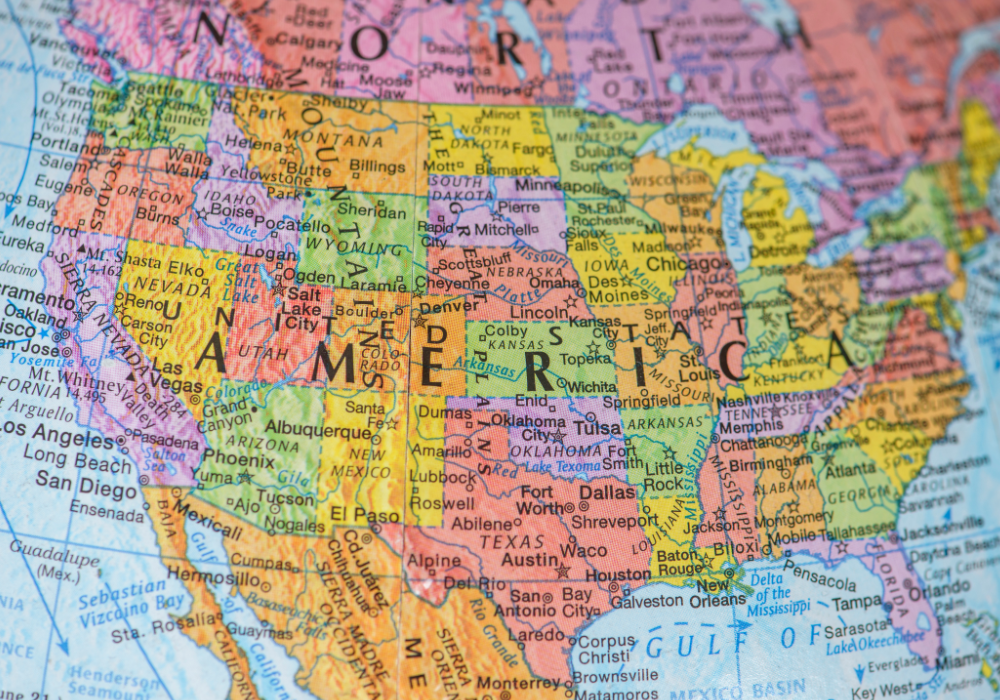
The three northern swing states of Pennsylvania, Michigan, and Wisconsin are must-win states for Vice President Kamala Harris and former President Donald Trump.

In the face of rapid technological advancements, businesses and society are undergoing significant transformations. At the same time, addressing sustainability issues such as geopolitical tensions and climate change remains a critical management challenge.

The latest revamp of our foreign exchange risk tool (FXRT) demonstrates the enhanced predictive power of selected vulnerability metrics over future exchange rate movements.

The smaller-than-anticipated gain in July and the rise in the unemployment rate will give the perception that the Federal Reserve is behind the curve, but monthly employment is volatile and we don’t want to overreact to a single report.

US business profit margins will remain elevated through 2025, with a boost from higher investments of recent years, despite challenges from slowing growth, less pricing power, and increasing debt cost.

We believe that building enough homes to restore housing affordability across Canada will likely take another decade.

Using our Global Industry Model, we have modelled the sectoral impacts of two scenarios in which former President Donald Trump returns to the White House and Republicans gain full control of congress.

If President Biden did not drop out, the outcome of the election appeared to be clear, but things have changed and we are opting not to replace the baseline with any of our election scenarios in August.

The Pacific Northwest’s robust economy is forecast to continue to outperform over the next few years. A large presence of high-growth tech and manufacturing sectors supports the region’s largest cities—Seattle, Portland, and Boise.
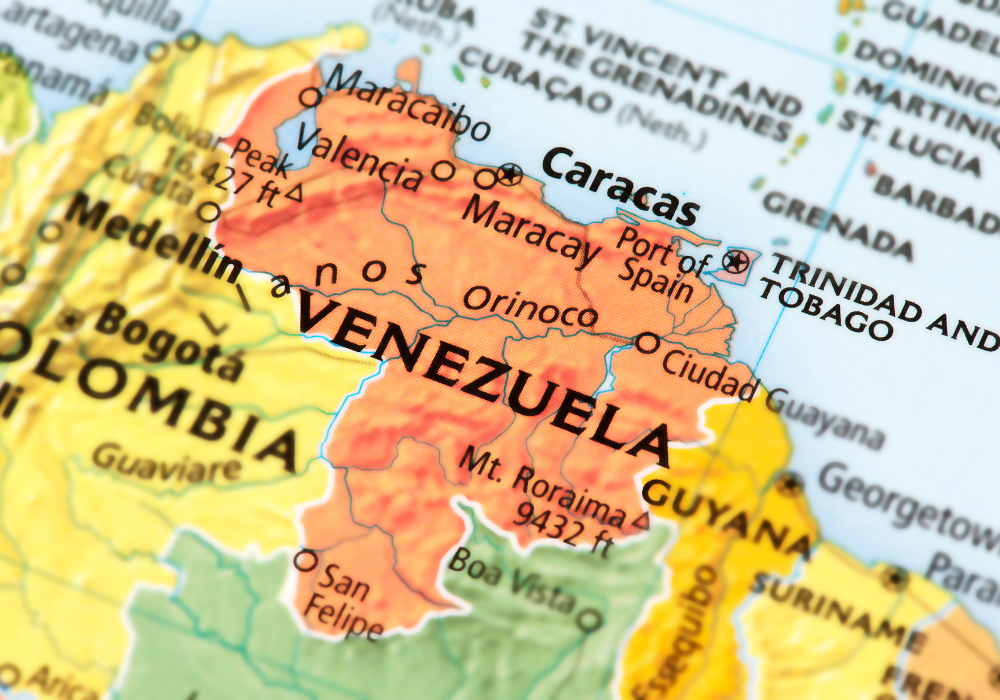
Sunday’s presidential election presents limited upside scenarios for the Venezuelan economy. Our baseline is for President Nicolás Maduro to remain in power and current sanctions to be maintained.

Consumer spending growth will remain resilient this year. Supported by rising real incomes, consumer spending growth is forecast to average 2.3% across all metros in 2024, faster than the 2.2% outturn in 2023.
