


We are significantly raising our forecasts for consumer spending growth over the next few years. We expect real consumption growth to accelerate to 2.7% in 2025, up from our previous forecast of a slowdown to 2.1%.
 Saarah Ghazi
We are significantly raising our forecasts for consumer spending growth over the next few years. We expect real consumption growth to accelerate to 2.7% in 2025, up from our previous forecast of a slowdown to 2.1%.

Our nowcast of the US PCE deflators imply inflation is not falling as smoothly as we had anticipated. But it still suggests inflation is on a path, albeit bumpy, back to 2%.

We remain concerned about the potential fallout in Latin America from a second Trump presidency in areas other than a renewed trade war with Mexico.

Fears of a substantial escalation in the Middle East last week prompted the largest swing in the oil price in over a year.

Labour markets are forecast to cool across the world’s major cities this year, marking the end of the Covid-19 catchup for some while others face the effects of demographic constraints. This trend of cooling employment growth is expected to largely continue over 2024–2028—with a few notable exceptions—but cities are still set to outperform their national economies.

Global overnight stays are forecast to rise 16% above 2019 levels in 2024, driven by an increase of 19% in domestic nights across the same period.

The external shocks to the economy have been diminished, thanks to the suspension of the dockworkers strike announced on Thursday night. But Mother Nature and geopolitical tensions are still wreaking damage and casting a cloud over the near-term outlook.

The unemployment rate is arguably the most important statistic the Federal Reserve tracks as it assesses the risks to the employment side of its dual mandate. After a blowout payroll number, the decline in the jobless rate makes a 50bp rate cut in November unlikely.

While our short-term outlook for the global economy has largely remained steady over the past quarter, the balance of risks around the base case has become more negative. This is evidenced by the number of clients expressing increased pessimism in their expectations around global growth in our latest Global Risk Survey.

Discover the latest insights into the global electrical engineering & apparatus outlook with our new chartbook.

Hurricane Helene will affect the labor market, consumer spending, housing, corporate profits, and industrial production, but the implications for Q4 GDP are minimal.

Our baseline forecast is for some form of divided government that will not alter the current trajectory of industrial growth. If either side achieves a governing trifecta and fully implements its agenda there are, however, differences: the growth consequences are mostly negative under former president Trump and mostly positive (albeit very marginal) under Vice President Harris.

Current polling suggests Canadians are poised to vote in a Conservative majority government that would usher in a sea change to the nation’s economic and fiscal agenda.

While a Kamala Harris presidency wouldn’t materially alter the economic outlook for Canada. Another term for Donald Trump would usher in stiff tariffs and a renewed era of global uncertainty that would likely mean higher inflation, tighter monetary policy, and slower economic growth relative to our baseline.

Recession alarm bells should sound a bit muted with an encouraging employment report, solid gains in retail sales, and a rebound in industrial production easing fears of an economy on the precipice of a downturn. A soft landing is in sight but will require cutting interest rates.

A Kamala Harris presidency wouldn’t materially alter the economic outlook for Canada. Another term for Donald Trump would usher in stiff tariffs and a renewed era of global uncertainty that would likely mean higher inflation, tighter monetary policy, and slower economic growth relative to our baseline.

Though Vice President Kamala Harris’ chances of winning the election have improved since her debate with former President Donald Trump, we aren’t changing our subjective odds for the outcome of the 2024 presidential contest.

We created a real-time tracker of unauthorized migrants to the US, the driving force behind the nation’s post-pandemic immigration surge. New undocumented migrants in the US will total 2.3mn this year, nearly 1mn lower than in 2023.

The demand for data centres in the United States is rapidly increasing, driven primarily by the continued rise of cloud computing and the emergence of artificial intelligence (AI).
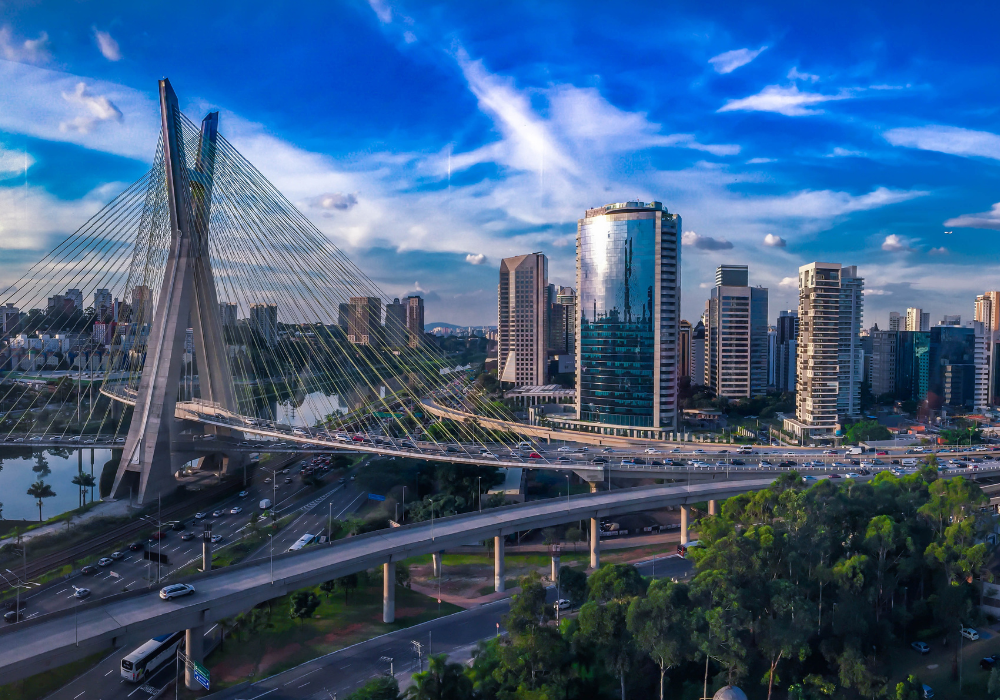
GDP growth among Latin America’s largest six economies will improve on the margin next year and surprise the consensus to the upside.
