Research Briefing
| Jun 9, 2022
NBP hikes again as inflation in Poland keeps rising
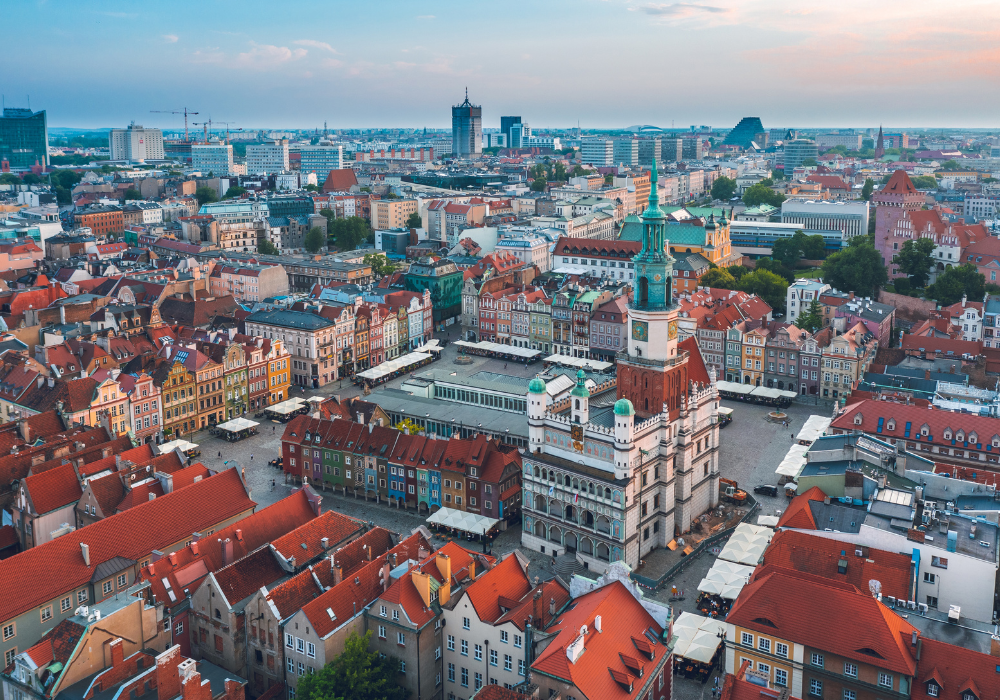
 The National Bank of Poland (NBP) hiked the policy rate by 75bps at yesterday’s meeting, in line with both our and the consensus view. This brought the main interest rate to 6%. The move took place against the backdrop of ever-higher inflation, which picked up to 13.9% in May.
Research Briefing
| Jun 9, 2022
NBP hikes again as inflation in Poland keeps rising
The National Bank of Poland (NBP) hiked the policy rate by 75bps at yesterday’s meeting, in line with both our and the consensus view. This brought the main interest rate to 6%. The move took place against the backdrop of ever-higher inflation, which picked up to 13.9% in May.
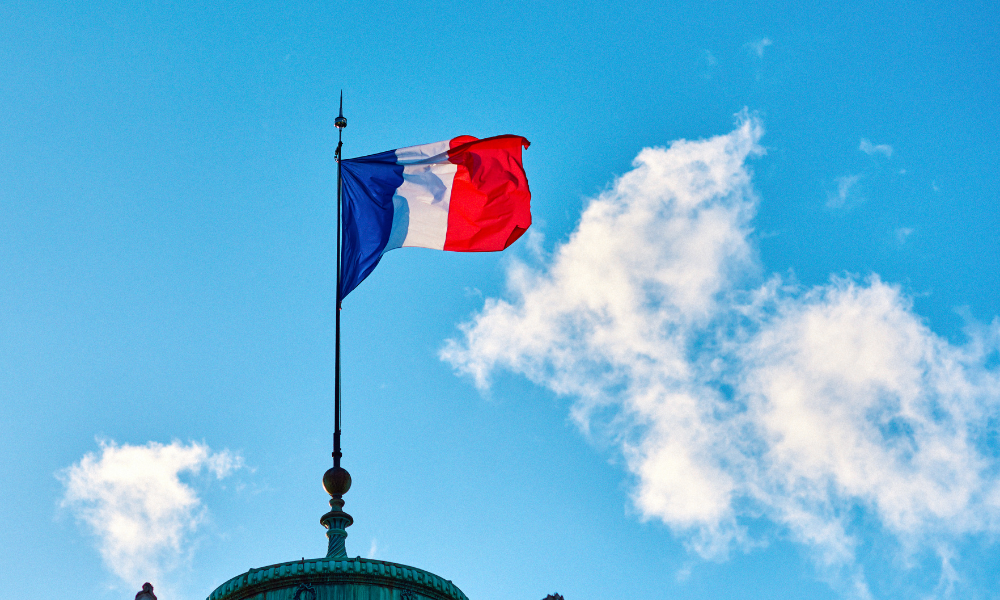
 The approaching French legislative elections are defined by serious political risks. Our baseline sees Macron’s presidential coalition winning the majority in the assembly, so policy continuity should be ensured. But the results are far from certain, especially since left-wing parties have joined forces to present common candidates with the aim of forcing Macron to appoint a prime minister from their group.
 Despite headwinds to the eurozone economy, the tourism sector continues to shine bright. Our high-frequency Tourism Tracker suggests overnight stays in May have recovered to pre-pandemic levels, pointing to a strong high season that should add a sizeable boost to tourism-oriented southern economies. This brings some upside to an otherwise negative risk skew in the eurozone.

 The Middle East and North Africa (MENA) region is highly vulnerable to physical and climate transition risks, with water scarcity, desertification, and rising temperatures posing threats to the area. Further, fossil-fuel-dependent MENA economies are exposed to the devaluation of carbon-intensive assets. Thus, mitigation efforts against these risks are imperative.

 The big concern about inflation is no longer the level at which it will peak, but where it will settle in 2023 and after. In our view, concerns about a prolonged period of high inflation are overblown. We expect food and energy prices to remain high next year, but annual inflation rates for these commodities should fall sharply, which will help trigger weaker-than-consensus headline inflation.

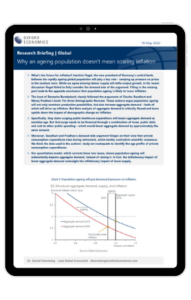 What’s the future for inflation? Joachim Nagel, the new president of Germany’s central bank, believes the rapidly ageing global population will play a key role – ramping up pressure on prices in the medium term. While we agree slowing labour supply will stifle output growth, in his recent discussion Nagel failed to fully consider the demand side of the argument.

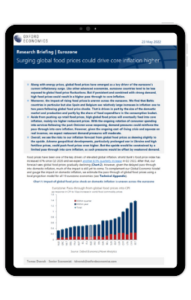 Along with energy prices, global food prices have emerged as a key driver of the eurozone’s current inflationary surge. Like other advanced economies, eurozone countries tend to be less exposed to global food price fluctuations. But if persistent and combined with strong demand, high food prices could result in a higher pass-through to core inflation.
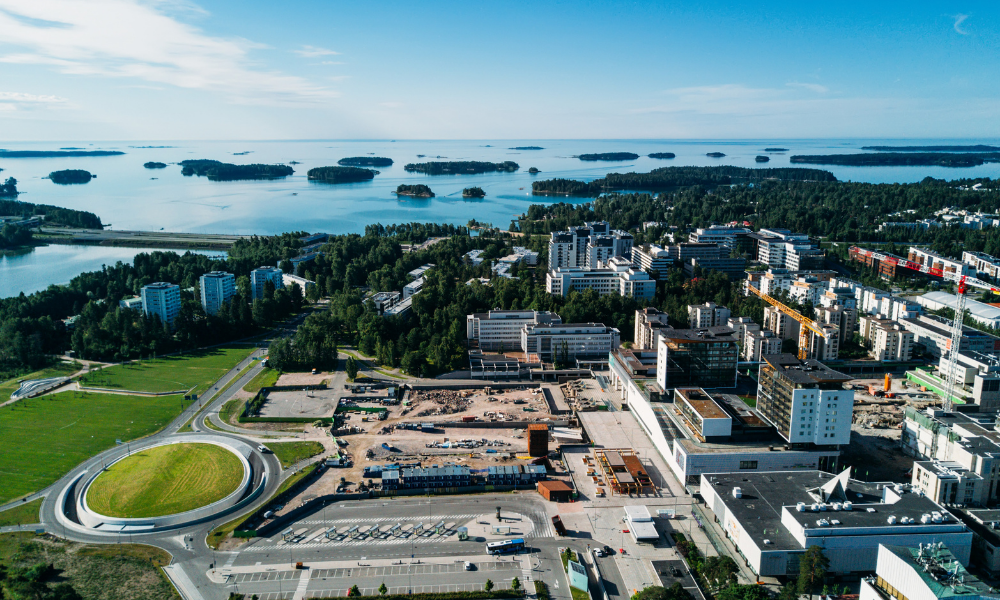
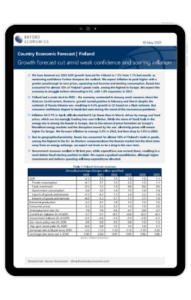 We have lowered our 2022 GDP growth forecast for Finland to 1.5% from 1.7% last month, as weakening confidence further dampens the outlook. We expect inflation to peak higher with a greater passthrough to core prices, squeezing real incomes and denting consumption. Russia has accounted for almost 10% of Finland’s goods trade, among the highest in Europe.

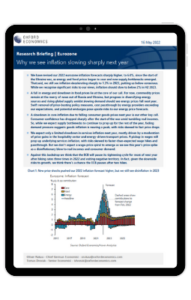 We have revised our 2022 eurozone inflation forecasts sharply higher, to 6.0%, since the start of the Ukraine war, as energy and food prices began to soar and new supply bottlenecks emerged. That said, we still see inflation decelerating sharply to 1.3% in 2023, putting us below consensus. While we recognise significant risks to our views, inflation should slow to below 2% in H2 2023.
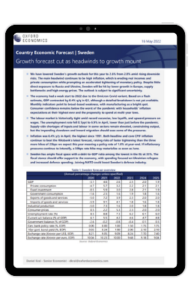 We have lowered Sweden’s growth outlook for this year to 2.6% from 2.8% amid rising downside risks. The main headwind continues to be high inflation, which is eroding real incomes and private consumption while prompting an accelerated tightening of monetary policy. Despite little direct exposure to Russia and Ukraine, Sweden will be hit by lower growth in Europe, supply bottlenecks and high energy prices. The outlook is subject to significant uncertainty.

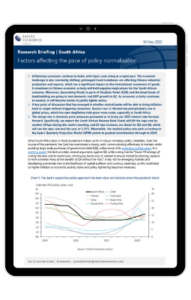 Inflationary pressures continue to build, with input costs rising at a rapid pace. The economic landscape is also constantly shifting: prolonged Covid lockdowns are affecting Chinese industrial production and exports, which has a significant impact on the international movement of goods.
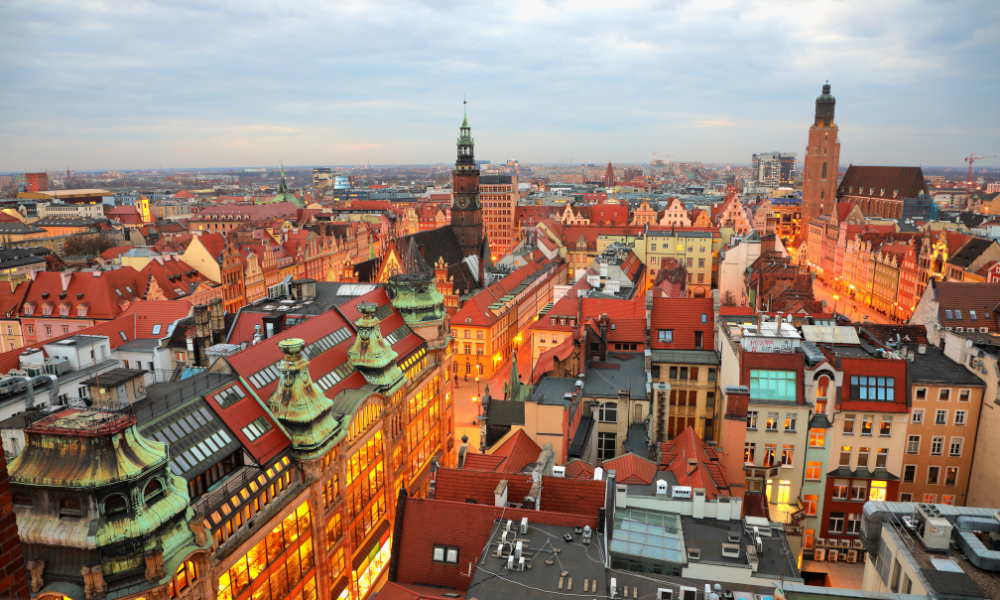
 Around 3.2mn Ukrainian refugees, over half of the total number, have escaped to Poland since the start of the Russian invasion. Some of them are expected to become permanent residents of the country, which will boost the labour supply, employment, and the potential output of the economy.
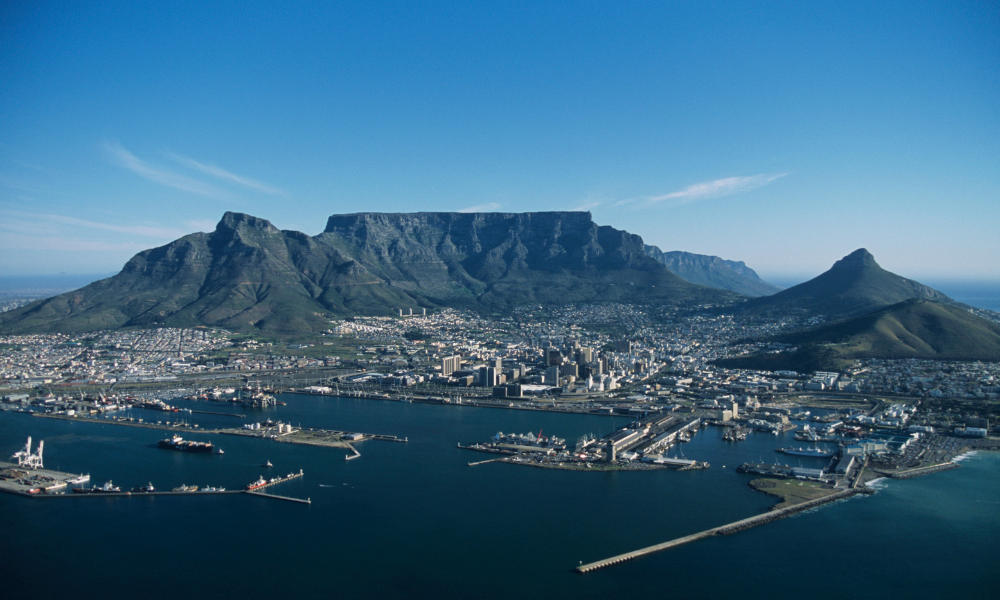
 Higher international food prices will have a more aggressive impact on African CPI readings than those in advanced economies. This is due to heavier weightings of foodstuffs in CPI baskets. But the impact will extend far beyond headline CPI prints: calls for subsidies will either be heeded, putting pressure on the fiscus, or disregarded, resulting in social discontent.
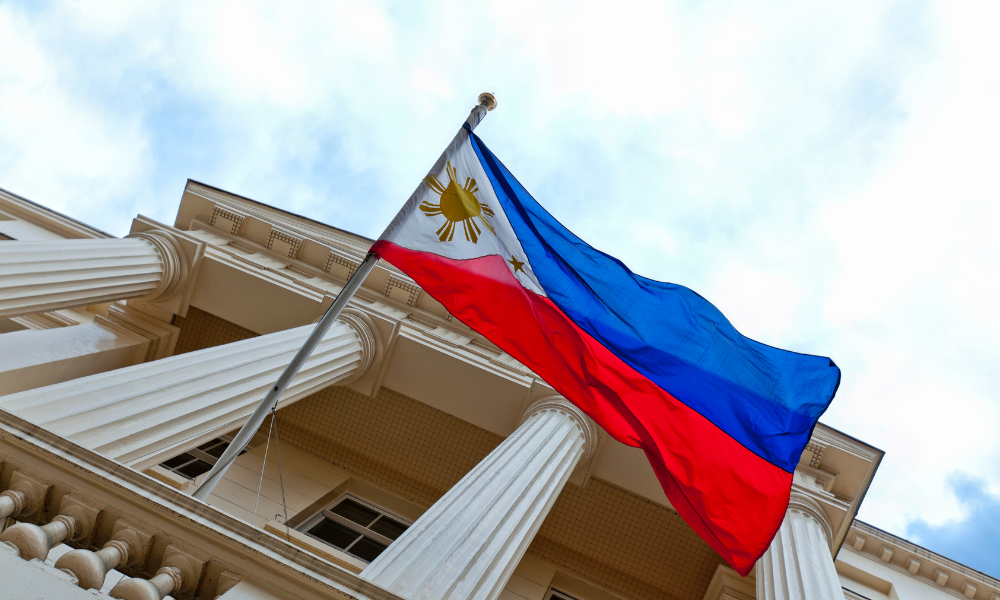
 President-elect Ferdinand Marcos Jr faces a tricky balancing act between supporting the economic recovery and containing the Philippines’ burgeoning fiscal deficit. Based on the latest budget, we expect it to average 8% of GDP this year, only a modest narrowing from 8.5% in 2021 amid some improvement in revenues on the back of stronger domestic demand.
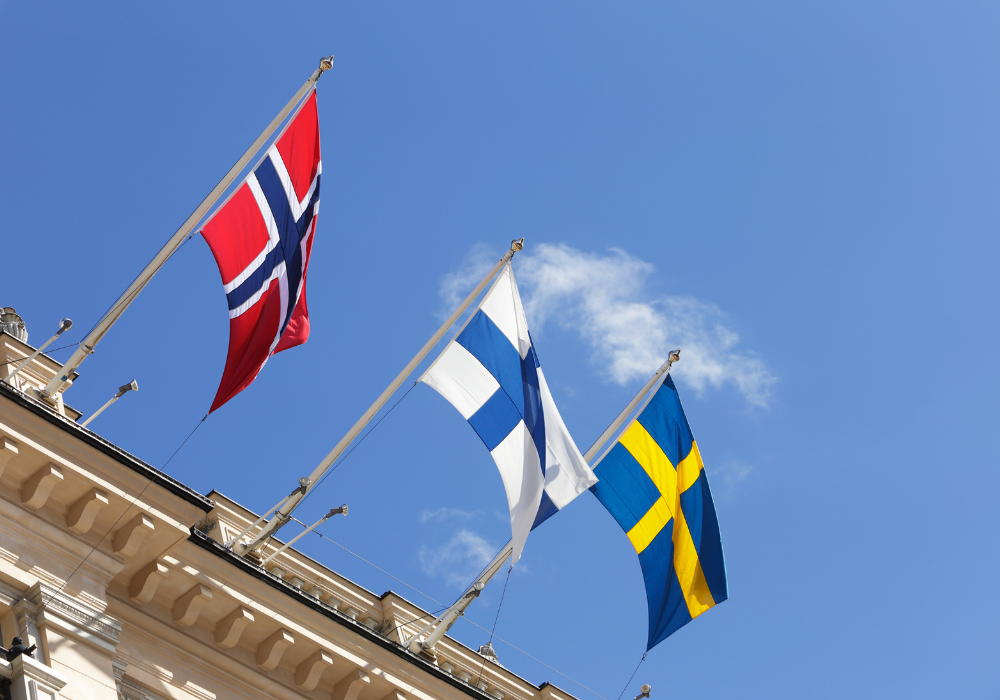
 While the economic fallout from Russia’s invasion of Ukraine will likely be limited for the Nordic region, we have nonetheless trimmed our 2022 growth forecasts. Inflation will peak higher, dragging on consumption and prompting faster monetary policy tightening in Sweden. Nordic energy dependence on fossil fuels from Russia is among the lowest in Europe, and apart from Finland, trade with and industry inputs from Russia and Ukraine are negligible.