



The session will include a detailed view of developments in global travel activity since the outbreak of the Iran War, including insights into impacts on travel to and from the Middle East and wider global impacts.
The session will include a detailed view of developments in global travel activity since the outbreak of the Iran War, including insights into impacts on travel to and from the Middle East and wider global impacts.

Global industrial growth and our forecasts for 2026 have taken a hit since the onset of the US/Israel war with Iran. However, outside of the the Middle East and directly downstream chemical producers and refiners in Asia, negative impacts have been relatively muted so far.

As expectations on businesses continue to evolve across Europe, organisations are facing growing pressure from policymakers, investors, communities and regional stakeholders to clearly demonstrate the value they create locally.
Economic and social impact evidence is increasingly being used to support investment decisions, stakeholder engagement, ESG reporting, regional partnerships and long-term strategic planning. Businesses are now expected not only to show financial performance, but also to evidence how their activities contribute to jobs, productivity, supply chains and wider economic prosperity.

In this webinar, we’ll explore our latest macroeconomic forecasts and scenarios for the global economy in the context of the Iran war. We’ll highlight where we still see opportunities at the country, sector, and tourism level, and which sectors and segments could be most exposed to downside risks this year.

In this webinar, we’ll provide our latest outlook for the global consumer landscape this year and an early preview of 2027. We’ll explore where consumer demand will stay most resilient, in what areas we’ve made the biggest downward revisions to our expectations, and how we think the energy price hit would affect spending at the geographic, category, and consumer level.

This webinar will explore how the rapid expansion of AI is reshaping cities and regional economies across Europe. Drawing on our latest research, the session will provide investors, analysts, and policymakers with our latest view on developments and what they mean for investment and consumer market strategies.
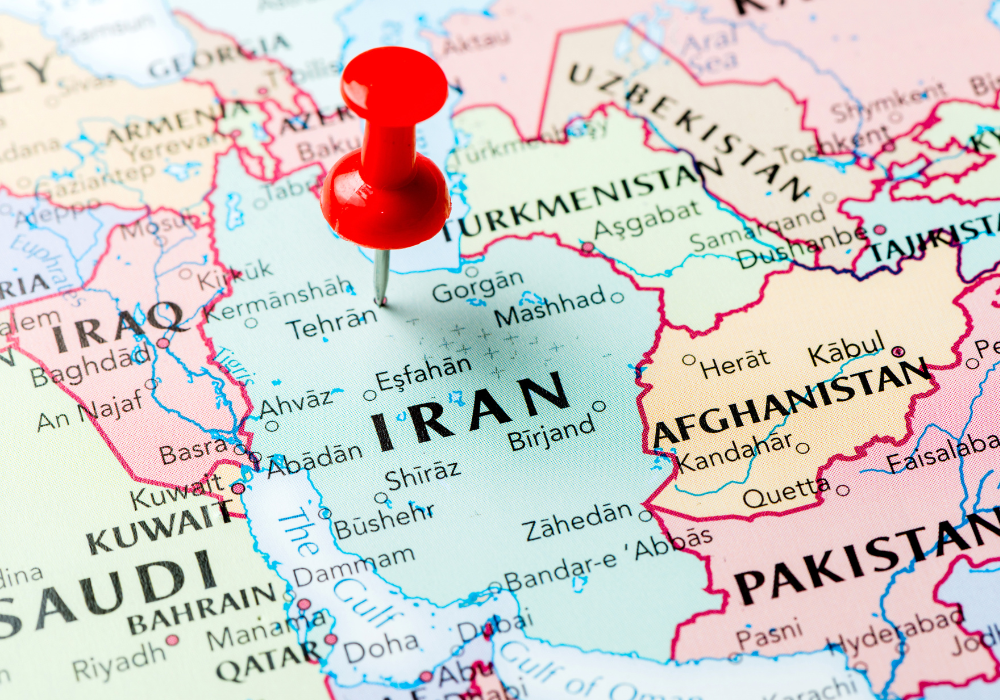
We examine key insights from our Q2 2026 Global Scenarios Service and focus on the Iran war, exploring the potential implications of both a severe near-term energy shock and more persistent disruption in the event of the Strait of Hormuz remaining effectively closed over the coming 18 months.
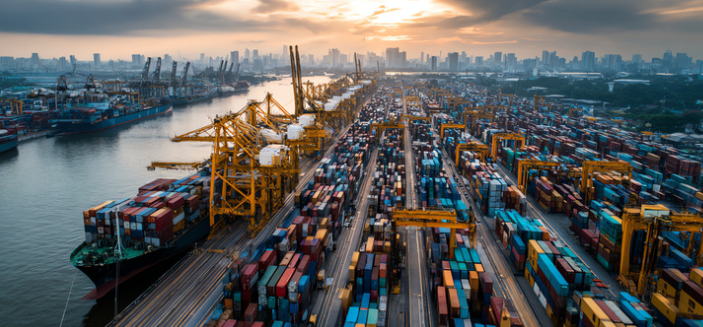
The war in the Middle East has shut down the Strait of Hormuz, cutting off a quarter of global energy exports and sending oil prices surging. The clock is ticking on US tariffs following the Supreme Court’s February ruling, creating uncertainty for businesses and supply chains come July. In response, global trade patterns are shifting, economies are racing to diversify supply chains and deepen trade ties.

With capacity expanding and demand remaining strong, the session will provide valuable insight into how changing consumer trends are shaping the competitive landscape and influencing the future direction of the industry. This webinar will deliver actionable insights into one of the fastest-growing segments of global travel.

Recent geopolitical events have impacted global travel flows, both directly via airspace closures and more widely through pricing and sentiment impacts. This has raised uncertainty and magnified downside risks in the near-term.
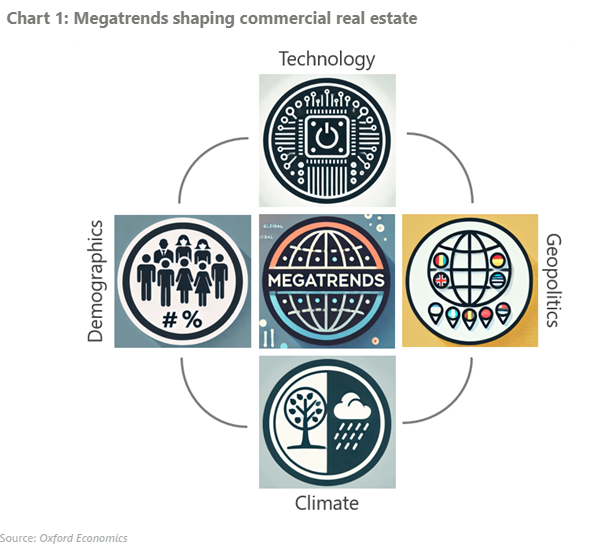
What if migration stopped? Migration is a key driver of our demographic trends, and in our new Megatrends Scenario we bring it into focus for the first time, stripping out all future flows in our baseline from 2026 onwards to quantify what migration means for growth, living standards, and fiscal stability.

Small ship cruising sits in a unique position, bursting with opportunities to meet rising demand for more meaningful and intimate travel experiences.
Tourism Economics presents early- year insights into European travel trends. They will look at how the Middle East conflict and a challenging economy are expected to shape travel behaviour and what this means for European tourism in 2026.

The conflict in the Middle East has fundamentally altered the economic outlook. Although the Nordic economies have a lower reliance on fossil fuels than the EU’s average, they too will be impacted through lower growth, higher inflation, and tighter financial conditions. In this webinar, we explore in detail the impacts of the conflict on the Nordic economies from a macro, industry, and cities perspective.
A prolonged Iran conflict isn’t just a geopolitical crisis – it’s a direct economic shock to Australian households, industries, and states. Our economists map the full cascade: from Strait of Hormuz closures to your fuel bill, mortgage stress, and local job market.

The Global Climate Service quantifies the macroeconomic impacts of climate scenarios against a stated policies baseline. These scenarios help businesses understand the implications of climate change and trade-offs of climate mitigation. This webinar will discuss Disasters and Policy Stagnation, a short-term acute physical risk scenario which we enhance this quarter to include physical damages in North America and Asia as well as Europe.

Travel to and from the Middle East has been disrupted by the Iran War, as airspace disruption and safety are immediate concerns while weak sentiment will impact destinations throughout the year. The effects on the global economy, oil prices and transit activity through the ME region will spillover to travel activity in other regions. There are still significant opportunities for some destinations within the downgrade to the global outlook. Join us as we discuss our latest forecast, setting out the impacts of the War on global travel, including risks and potential recovery paths.

Why is economic and social impact evidence becoming increasingly important for businesses of all sizes?
In the context of upcoming local elections, organisations are facing growing scrutiny from policymakers, communities, and regional stakeholders—making it more important than ever to clearly evidence and communicate their contribution at a local level.
Seismic shocks are hitting global trade simultaneously – and the map is being redrawn in real time.
A war in the Middle East has shut down the Strait of Hormuz, cutting off a quarter of global energy exports and sending oil prices surging. The US Supreme Court has torn up the tariff rulebook, collapsing country-specific rates into a blanket levy that hands windfalls to China and Brazil while leaving former dealmakers out in the cold. Finally, a growing bloc of economies is countering US protectionism with new and expanded free trade agreements – even as they continue to put up barriers against China in the same breath.

In a rapidly shifting environment, forecasting becomes essential. Join our team for the latest US economic outlook, inbound travel trends, and performance expectations across national and top 25 STR forecasts—all of which are being actively shaped by global headwinds and events.