The economic impact of abandoning the WTO
In collaboration with The International Chamber of Commerce
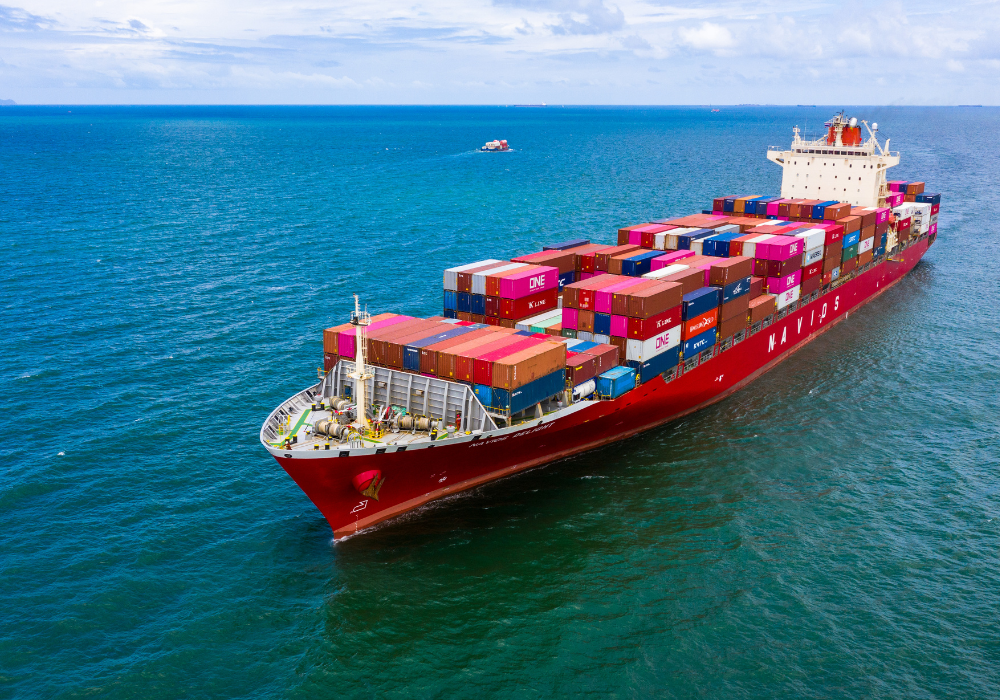

Oxford Economics have been commissioned by the International Chamber of Commerce (ICC) to provide an independent assessment of the potential impact of WTO dissolution on developing economies.
A shifting international economic environment has raised a number of challenges for the World Trade Organization (WTO) in recent years. Despite the clear need to update its rulebook, member states have been struggling to reach multilateral consensus on reform. This gridlock is now threatening to erode trust in members’ commitments.
This report provides an independent assessment of the potential consequences for developing economies of the demise of the rules-based multilateral trading system. The WTO is especially important for developing economies, as it helps build their trade capacity. Strong growth in developing countries is needed to reduce poverty, and trade is a critical enabler of growth.
We estimate that WTO dissolution would lower exports of developing countries by around a third, comparing to a baseline where the “status quo” of the rules-based multilateral trading system remains intact. This reduction in trade volumes stems from more restrictive government policies as well as an increase in trade barriers linked to higher information costs and uncertainty.
Our estimates suggest that WTO dissolution would lower GDP for developing countries as a group by 5.1% by 2030, relative to the “status quo” baseline. Output losses would fall disproportionately on the poorest and most vulnerable nations of Sub-Saharan Africa as well as South and Central Asia, with output losses averaging around 6%-6.5%.
The experts behind the research
Our Macro Consulting team are world leaders in quantitative economic analysis, working with clients around the globe and across sectors to build models, forecast markets and evaluate interventions using state-of-the art techniques. Lead consultants on this project were:

Lloyd Barton
Head of Thematic Macro Consulting, EMEA

Thang Nguyen
Lead Economist, Macro Consulting
Tags:
Recent Trade reports
A reality check on the status of RMB internationalisation
The recent geopolitical shocks and abrupt US policy shifts have heightened concerns about the stability of the dollar-centric global financial system and strengthened the perceived need for diversification.
Find Out More
China and AI underpin stronger global trade outlook
Global trade is set for a stronger-than-expected rebound, supported by lower US tariffs, continued AI-driven investment, and China’s renewed export push. Our latest forecasts show upgrades to both nominal and volume trade growth in 2025–26, even as legal uncertainty surrounding US tariff mechanisms and evolving geopolitical dynamics pose risks to the outlook.
Find Out More
Tariffs take a toll despite easing trade hostilities
Global tradeflows remain under pressure despite easing tariff tensions. Recent US–China agreements reduce select import taxes and support China’s 2026 outlook, yet US imports continue to fall and supply chains pivot toward Asia and Europe. Containerised trade is set to expand, while bulk shipments soften alongside weaker industrial demand.
Find Out More
Global trade is losing momentum
Trade disruptions spread across autos and pharma sectors, with EU tariff exemptions giving Europe a competitive edge amid global slowdown.
Find Out More