
Blog | 28 Jan 2025
How will the new administration’s policies affect US metros in 2025?

Barbara Byrne Denham
Lead Economist, Cities & Regions
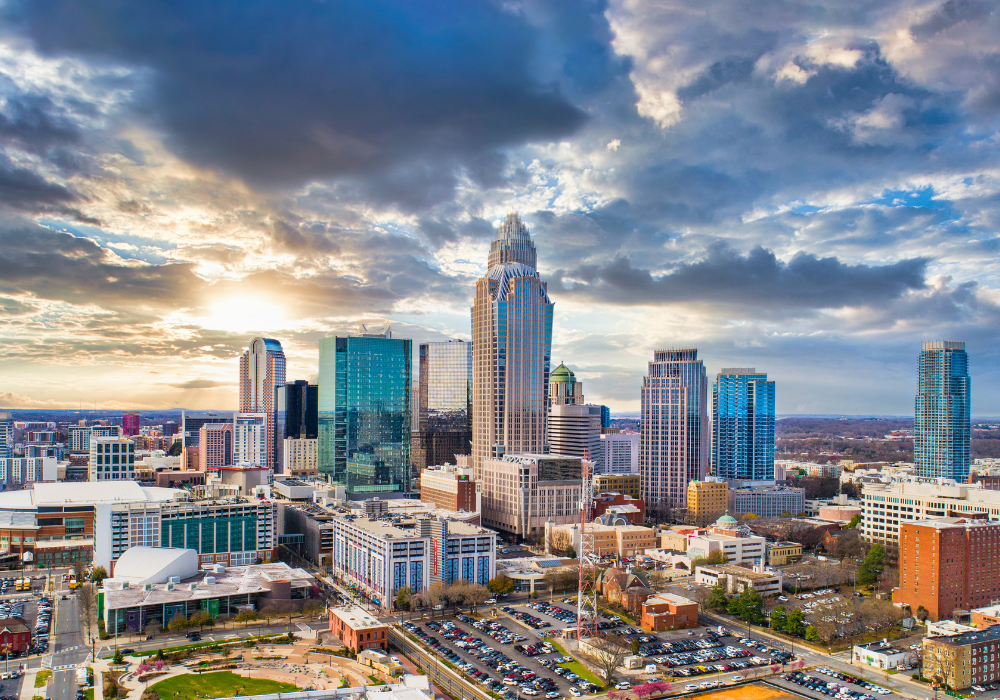
The major policy proposals planned for the second Trump administration will have mixed implications for the US economy in 2025 and beyond, and the impacts on metro areas will vary significantly. We forecast robust GDP growth across the largest 50 metros in 2025 following a healthy yet disparate 2024. Fiscal stimulus via an extension of the 2017 tax cuts will boost consumer spending next year, generating higher GDP growth for half the metros. We forecast lower job growth in 2025, however, due to weak demographics and fewer healthcare job gains.
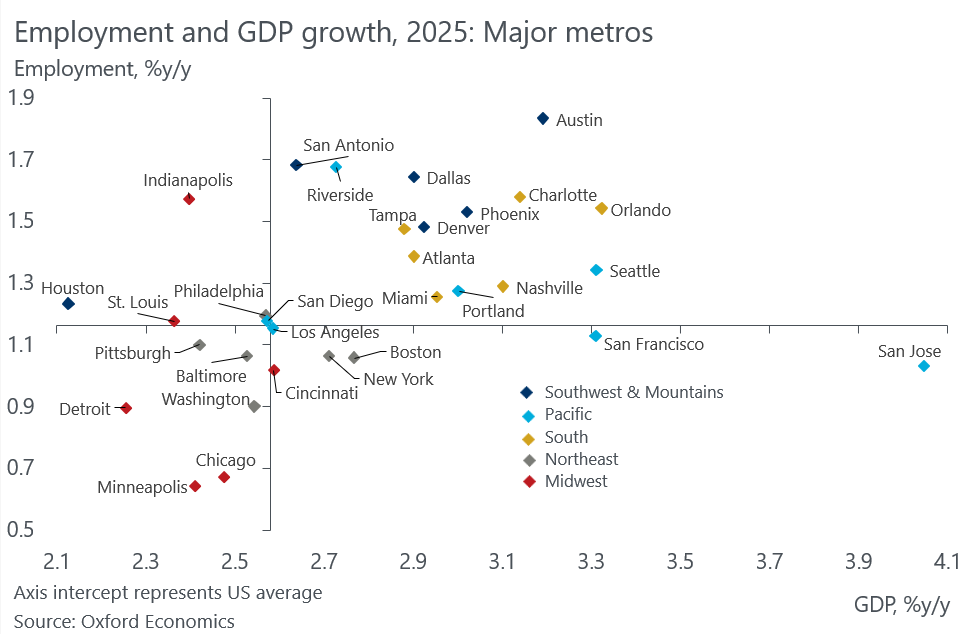
Each of the largest 50 metros are forecast to see GDP growth again in 2025. Fueled by their tech sectors, San Jose, Orlando, Seattle, San Francisco, and Austin are forecast to lead GDP growth in 2025. Houston, Detroit, St. Louis, Indianapolis, and Minneapolis are expected to trail.
Following a rough Q4 2024 hampered by two hurricanes and the Boeing strike, we anticipate that all the top 50 metros will add jobs in 2025. Yet fewer than half will see healthier job growth in 2025 than in 2024. Austin, San Antonio, Riverside, Dallas, and Charlotte are forecast to lead growth. Minneapolis, Chicago, Detroit, Washington, and Cincinnati will trail. Construction job growth differentiates the fast-growing metros from the slow-growing ones.
Author
Barbara Byrne Denham
Lead Economist, Cities & Regions
Barbara Byrne Denham
Lead Economist, Cities & Regions
New York, United States
As a Lead economist at Oxford Economics, Barbara brings a seasoned approach to the study of US cities. She works in Oxford Economics’ division of Cities and Regions analysis where she leads in writing reports on US metros. Prior to joining Oxford Economics, she worked six years for Moody’s Analytics REIS where she did similar work and wrote a number of white papers covering metro-level analyses including the Impact of the Tax and Jobs Act on Commercial Real Estate; Amazon HQ2, a Scoring Analysis; and the Economics of College Towns. Barbara’s work is frequently cited by the Wall Street Journal, New York Times, Crains New York Business and numerous other publications.
Prior to working at Moody’s, Barbara worked more than 20 years at various commercial real estate firms including Jones Lang LaSalle and Eastern Consolidated where she focused on writing market reports and white papers.
Barbara holds a bachelor’s in business administration from the University of Notre Dame and is a Ph. D. candidate in Economics from New York University.
Tags:
You may be interested in
Post
Little by little—Manchester is closing the output gap
Greater Manchester has led the UK economy since 2008, driven by knowledge jobs, transport upgrades, and housing growth—but can prosperity reach its outer districts?
Find Out More
Post
Asia’s cities are reshaping the world
From Seoul to Delhi and Shanghai, Asia’s urban centres are rapidly overtaking global rivals as living standards soar. What will this mean for the balance of global economic power?
Find Out More
Post
The rise of Southern India’s business service hubs
Over the next five years, India is set to be one of the fastest-growing major economies across Asia Pacific, lead by the performance of its IT and business services. The Southern states of Karnataka and Telangana are at the forefront of this success as they are home to two of India’s most rapidly growing cities and productive cities—Bengaluru and Hyderabad.
Find Out More