


We built a forward-looking framework for analyzing how US tariffs achieve or undermine the various goals touted by policymakers.
 Sally Li
We built a forward-looking framework for analyzing how US tariffs achieve or undermine the various goals touted by policymakers.
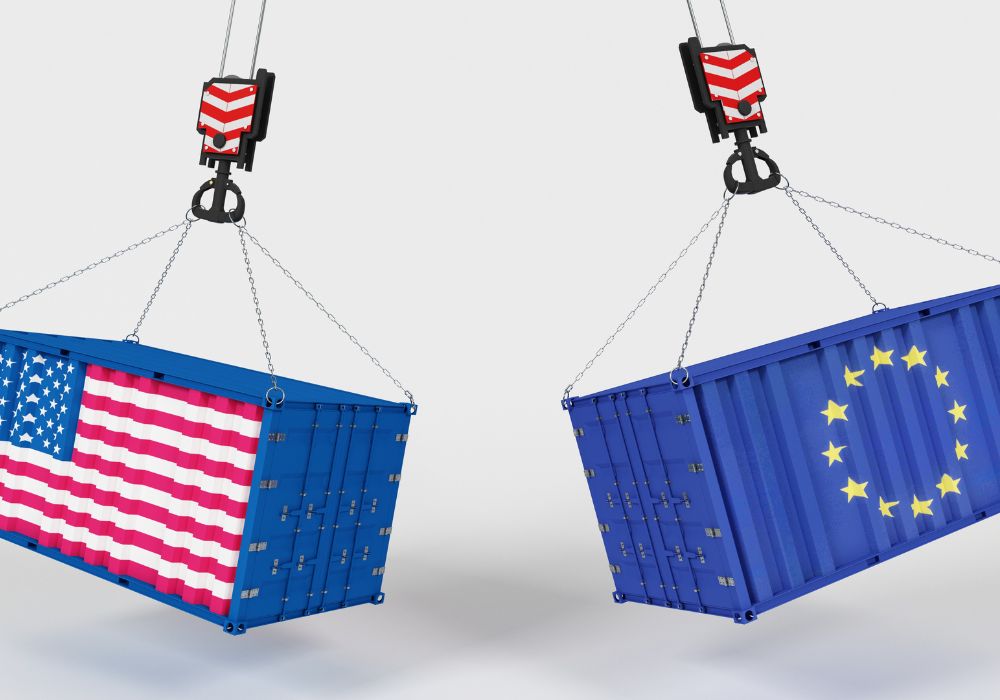
A 30% tariff would send the Eurozone economy to the edge of recession, with growth stagnating over the coming quarters.
We think it’s likely that high and broad-based tariffs are here to stay because, of all the purported goals of trade policy, they’re proving most successful at raising revenue.

Tariff policies, rising geopolitical tensions and unprecedented uncertainty are putting pressure on cities and regions across the world.

Our Global Economic Model simulations suggest that a permanent 40ppt tariff hike on US imports from Brazil would have limited impacts to the Brazilian economy.

A tiered-tariff system effectively blurs the distinctions between goods made in China and those rerouted via regional supply chains, weakening the advantage of China+1 manufacturing.

If the ceasefire negotiations between Israel and Iran break down, how likely is it that Iran will stop shipping through the Strait, and what would the impacts be?
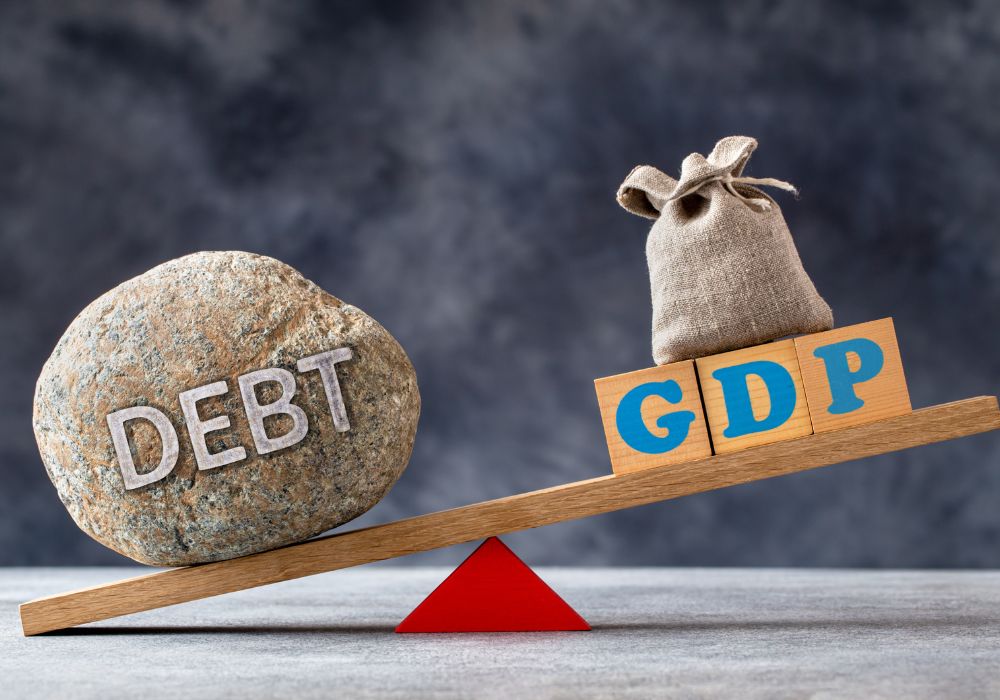
For some governments, pressure from markets to set out clearer or more ambitious fiscal plans may build, posing a downside risk to growth in the latter years of this decade.

In 2025, we are expecting a deceleration in global pumps demand to 1.0% as the global economy contends with new headwinds.

China’s economy continues to modernise at remarkable speed, yet it faces significant structural challenges.

Oxford Economics defined the archetypes using a range of metrics from all five categories of the Global Cities Index, with each archetype focusing on a different set of common traits.
For the first time this year, our global industrial production outlook for 2025 has been upgraded. However, we still anticipate an industrial recession in Q2 and Q3.
We are honoured to receive a total of 103 awards in this year’s FocusEconomics Analyst Forecast Awards. Our team of over 400 economists and analysts demonstrated exceptional forecasting precision in both advanced and emerging economies, including the UK, Italy, Egypt, Brazil, Vietnam and more.
Our revamped modelling shows that a recession is not imminent for the Eurozone and the big four despite the extreme trade policy uncertainty.

The rise in bond yields reflects fiscal concerns, higher risk premia, shifting investor preferences, and idiosyncratic factors.

If the threatened tariffs on imports from the European Union and smartphones were to be implemented, it would reduce US’ GDP growth this year by 0.2ppts.

The economic costs of the 50% tariffs to the Eurozone could amount to 0.3%–1.0% of the Eurozone’s GDP by the end of next year.

New York, London, Paris, San Jose and Seattle are the top 5 cities in the world, as ranked by the Global Cities Index 2025.

The Eurozone’s recession risks remain elevated—possibly higher than those in the US—as its economic expansion is more fragile.

Oxford Economics is proud to launch the 2025 update of the Global Cities Index, which offers an evaluation of the world’s 1,000 largest urban economies.
