



Ten years since Paris, can COP30 deliver real change? We review the progress of countries, industries and cities on the path to decarbonisation.
 Sally Li
Ten years since Paris, can COP30 deliver real change? We review the progress of countries, industries and cities on the path to decarbonisation.

The new rare-earth controls from Beijing mark a pivot from raw material oversight to technological leverage.

Our latest downside scenario reflects slightly less negative outturns for world exports relative to March when pessimism around trade was especially high.
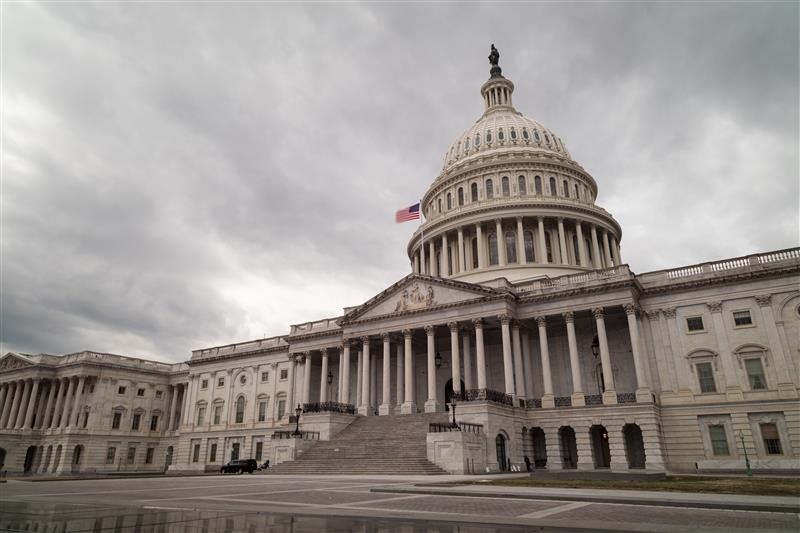
In this blog, we explain how the shutdown could influence the US economy, regional activity, government services, social security and more.
Tariffs won’t have huge impacts at a global level, although there may be big losers at a sectoral and firm level.
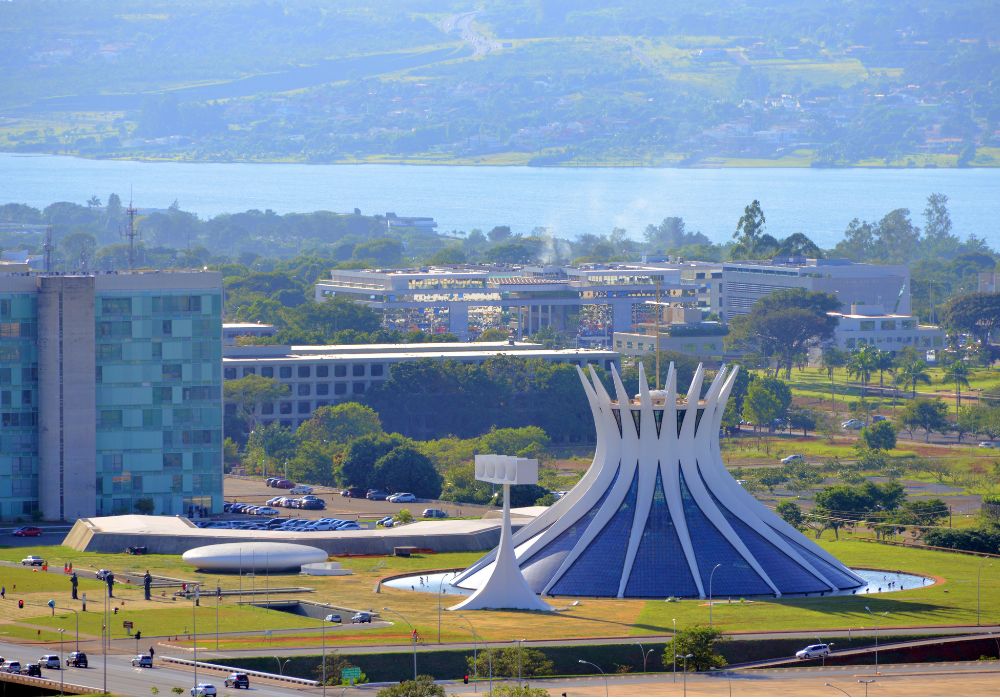
With the Kingdom of Saudi Arabia’s NEOM megaproject, Egypt’s New Administrative Capital, the UK’s New Towns, and the relocation of Indonesia’s capital to Nusantara, interest in new urban developments is back and more exciting than ever.

Oxford Economics is pleased to unveil its enhanced Real Estate Economics Service, now covering 100 global cities.

Given the important role UK universities play in local and regional economies, their poor financial position will have implications for local economic performance.

Universities in the UK face a funding crisis, and their financial position will have major implications for local economies.

In 2026, we anticipate global industrial value-added output to grow just 1.9%, the slowest pace of growth since the global financial crisis.
There is currently a gap in how the market understands and measures the extended climate risk that companies are exposed to via their interaction with the broader economy.
Our current estimate of the US statutory tariff rate exceeds the effective rate implied by the duty calculated by the Census Bureau. Here’s why.

Millions are expected to lose coverage due to new eligibility rules and the expiration of premium subsidies.
The US economy has slowed and become bifurcated across consumers, the business environment and the labor market.

We don’t plan material changes to our Eurozone baseline forecast of 1.1% GDP growth this year and 0.8% in 2026 in response to the EU-US trade deal.

We now expect a shallow recession in capital spending for the G7 lasting three quarters from 2025 Q2 to 2025 Q4.

High-tech goods, pharma, and aerospace will be among the fastest growing segments over the next decade.

Uncertainty’s adverse impact on investment takes time to materialise, but our leading indicator of investment orders shows it is coming.

Our modelling suggests the main beneficiaries of the spending will be a highly concentrated subset of capital-intensive subsectors, mainly in transport and electronics.

Forecasting the cotton market goes beyond understanding traditional agricultural metrics and into issues such as trade, energy and global economic trends.
