
OE Logo
Chip upcycle is a bright spot, albeit still a dim one

The chip sector is profoundly important in some Asian countries, given their role in the global semiconductor supply chain. As such, the ongoing recovery, albeit gradual, will provide some support to these economies amid the slowing global economy and tight domestic monetary policies.

covid economy

We project the distribution of long-term economic pain inflicted by Covid will be similar to humans in the sense that those with pre-existing conditions will end up suffering the most.

M Asia leads the pack with highest convergence potential

Based on the middle-income trap literature, we developed a long-term growth indicator that used 33 metrics to assess risks to EM economies’ long-term growth potential.

Japan currency

The Bank of Japan (BoJ) left short- and long-term policy rates unchanged at -0.1% and around
0%, respectively, at the meeting on Oct.31. However, the BoJ decided to tweak the yield curve
control (YCC) policy by setting the upper bound of 1% as a reference and by making its Japanese Government Bond (JGB) purchase operations more flexible not to rigidly defend the bound.

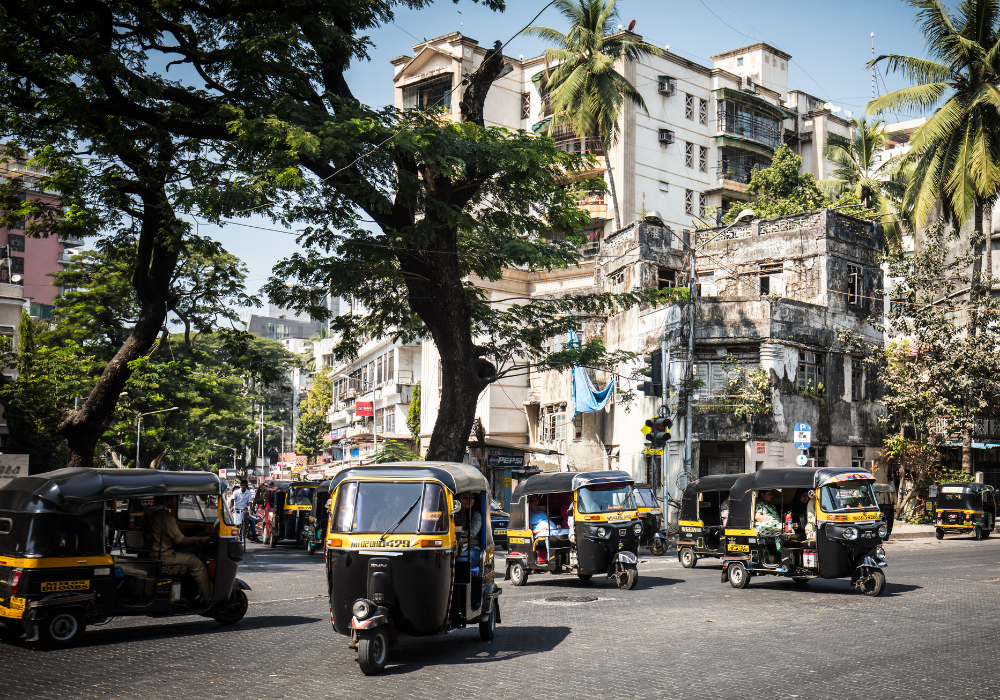
Populated street in india

India appears the economy most like China as it is the only one that can match it in terms of
population size. But that’s where many of the similarities end – in most other population
characteristics the two countries are very different.

CRE modern building facet

Recent European valuations data from MSCI for Q2 confirmed that capital values are still falling, but at a slower pace than they were last winter. This raises the question as to whether we have reached a turning point in this downturn? Do we expect capital values to start their recovery imminently, or is it still too soon to claim that we are now out of the woods?

We have downgraded our China construction forecasts over the medium to long term, with total construction work done forecast to grow 4.5% p.a. over the three years to 2027.

china india

China’s economic growth has slowed over the past decade, and we believe it is now on a structural downtrend. In India, the long-term success will ultimately depend on whether it will leverage the potential presented by its huge demographic dividend.

skyscraper construction

Global construction activity is now forecast to fall 1.6% in 2023 and rebound 0.5% in 2024 to $9.6tn. China’s real estate downturn continues to dominate the global outlook. We now expect a slower recovery in both residential and non-residential building activity – and anticipate a more muted recovery in Chinese GDP over the medium term.

renminbi China money

The People’s Bank of China has leaned against persistent renminbi weakness by consistently fixing the currency on the stronger side in recent months. Amid this heavy currency intervention, however, we don’t think there’s a line-in-the-sand dollar/renminbi level that the PBOC is fundamentally preoccupied with. Rather, the central bank is concerned with ensuring that depreciation expectations remain anchored.

Why we lowered our China medium-term growth forecasts

The combined large shocks from years of regulatory uncertainty, the prolonged zero-Covid
policy, and a housing correction have undermined China’s supply-side potential more than we
previously anticipated. We have therefore cut our estimates of China’s future potential GDP growth rates.

Portrait of Benjamin Frankilin close-up shots from one hundred dollars banknote

We have revised our forecasts up for bond yields in the long term by 50bps in the US and UK and by 20 to 25 bps in Japan and Germany. Even so, we still think the market-implied forward rates for five to 10 years’ time look much too high for all major advanced economies.

globalisation manufacturing

The global economy has been in a ‘slowbalisation’ in recent years. For real estate investors in AEs, this policy shift could present compelling long-term opportunities in the industrial sector.

Bandra Traffic Mumbai City, India

Economic growth will generally remain subdued across major APAC cities in 2024. Nevertheless, we think that some cities will stand out for their better performance. These cities are either located in an economically dynamic country, as is the case for Bengaluru and Hyderabad, or will benefit from somewhat better prospects for their manufacturing sectors, for instance Singapore.

Hangzhou China city landscape

Recent months have been tough for China and its major cities. While year-on-year growth rates picked up in Q2, they were below expectations and, as a result, we have downgraded many of our estimates of GDP growth in 2023. However, our forecasts show significant divergences, with as many cities underperforming our national GDP growth expectations as overperforming.

China’s weak economy and the mounting problems of the real estate sector have focused attention once again on the potential global fallout from its sharply slower growth. To understand the consequences for the global and regional economies, we conducted a comprehensive simulation exercise using the Oxford Global Model.

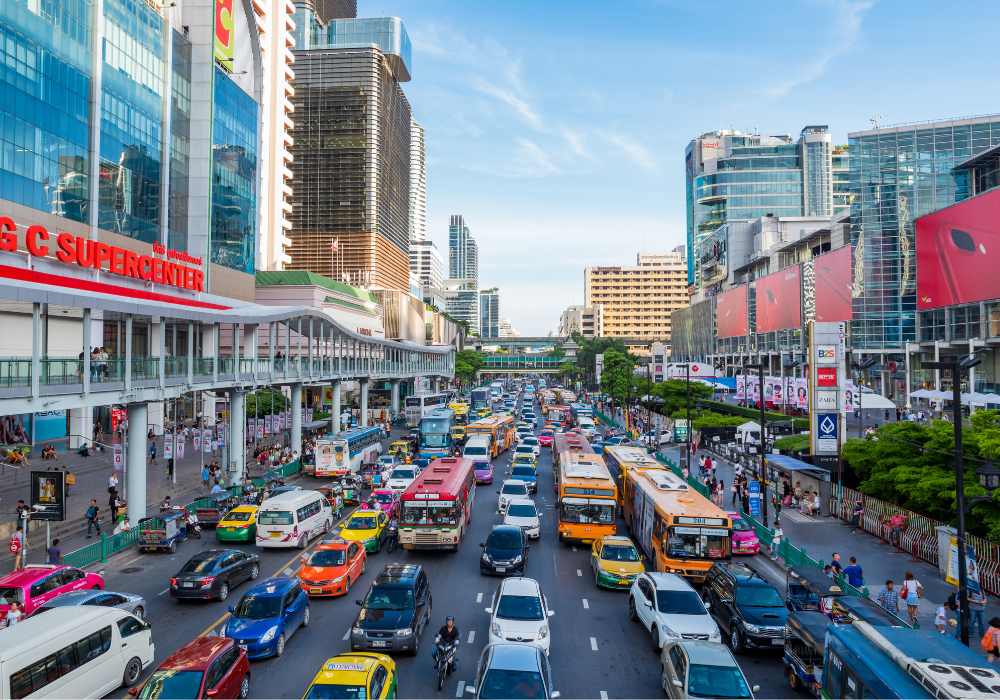
Thailand city

Thailand economy will likely see a rebound over the remainder of the year, but over the medium term we think the growth path will be modest. What’s underneath is the long-standing issue of Thailand’s ageing population and consequential decline in its labour force.

Global: Why the real yield on private wealth will keep falling

Despite the importance of returns on private wealth for long-term investors – be they households, asset managers, or pension funds – the fact that real yields have been on a downward trend across the world for decades seems to have escaped attention.

renewable, clean energy, climate change and sustainability

Our analysis suggests that even at this early stage investors see the act as a positive stimulus for clean technology companies’ future profits. This is likely to give the US a competitive advantage in the development and commercialisation of hydrogen and other new clean technologies.

Liede Bridge urban landscape Growth outlook determines the fate of fiscal consolidation

We expect fiscal consolidation to generally continue in Asia, except in mainland China and Taiwan. In those economies, we anticipate looser fiscal policy this year and very slow normalisation next year.