
OE Logo

This report examines how copyright frameworks shape the environment for artificial intelligence (AI) model training across seven APAC countries and the implications for innovation, investment, and economic competitiveness.

New research by Oxford Economics finds that 74% of startups across India, Malaysia, and South Korea, report that digital regulations increase compliance- related costs, often through reporting requirements, system upgrades, and internal governance processes, Further, 66% say resources are being diverted away from innovation to compliance. The study also estimates that a shift to more restrictive regulatory approach could reduce startup formation and venture capital investments over the next decade.

Oxford Economics was commissioned by the AI Adoption Initiative to develop a research report that supports policymakers as they navigate a growing dilemma.

Oxford Economics’ study for the Motion Picture Association finds that South Korea’s audiovisual industry supported ₩24,080 billion in GDP and 291,100 jobs in 2025 and generated ₩7,170 billion in taxes. Direct activity alone contributed ₩7,750 billion in GDP and 85,900 jobs. The industry delivers strong multipliers: 3.1 times for GDP and 3.4 times for employment.

This report assesses the Indonesian agri-food system, from agricultural production and food and beverage (F&B) manufacturing, to the wholesale, retail, and hospitality distribution networks that brings F&B to market.

This report assesses the Philippines’ agri-food system, from agricultural production and food and beverage (F&B) manufacturing, to the wholesale, retail, and hospitality distribution networks that bring F&B to market.

We quantify the economic contribution of the local agri-food sector, document the challenges faced by Philippine agri-businesses due to the tightening operating environment and shifting trade patterns, and outline a practical path to navigate these headwinds.

As confidence of the US’ role as the anchor of the international order weakens, our long-term Global Rebalance scenario explores how selling America could reshape the world economy over the next few decades. Our Megatrends Scenarios service offers a framework for quantifying these risks.

Oxford Economics conducted a study exploring the role of in-app fare negotiation in on-demand mobility, drawing on survey evidence from riders and drivers across seven emerging markets. The research examines how fare negotiation affects price discovery, efficiency and accessibility in on-demand transport.

US flag

US exceptionalism is alive and well, and that won’t change in 2026.

We anticipate another year of broadly steady and unexceptional global GDP growth, but with some more interesting stories running below the surface.

commodity gold

In this report, we outline five key themes that will shape the global commodity landscape in 2026.

RMB US dollar currency

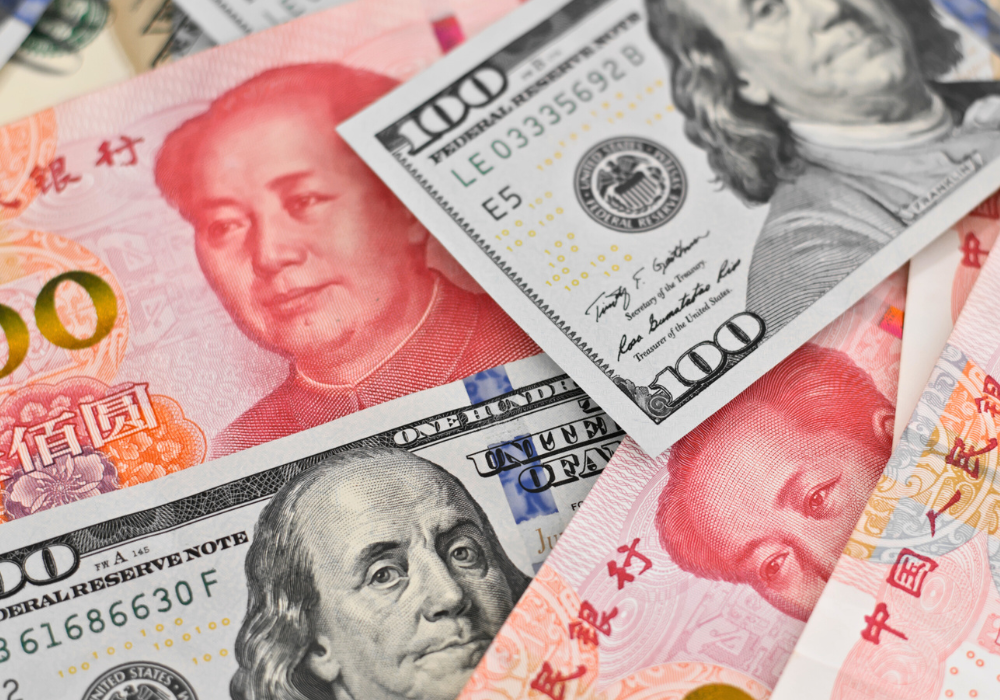
The recent geopolitical shocks and abrupt US policy shifts have heightened concerns about the stability of the dollar-centric global financial system and strengthened the perceived need for diversification.

Indian cities map

Over the next five years, India is set to be one of the fastest-growing major economies across Asia Pacific, lead by the performance of its IT and business services. The Southern states of Karnataka and Telangana are at the forefront of this success as they are home to two of India’s most rapidly growing cities and productive cities—Bengaluru and Hyderabad.

Tech-enabled productivity may mean a job-lite expansion

The US is undergoing or heading towards a ‘jobless expansion’. Asian economies, likewise, will probably experience slow job growth over the next few years, accompanied by mechanically rising productivity gains. In the near term, the drag on the job market is likely to come from cyclically weak demand for labour. But further down the line, it is the shrinking labour supply that will weigh more heavily on employment growth.

This study explores how design delivers value to Singapore-based organisations, enhancing profitability, strengthening strategic performance, and supporting broad environmental and social benefits. It introduces a Theory of Change framework to help organisations more effectively communicate and measure the value of their design activities.

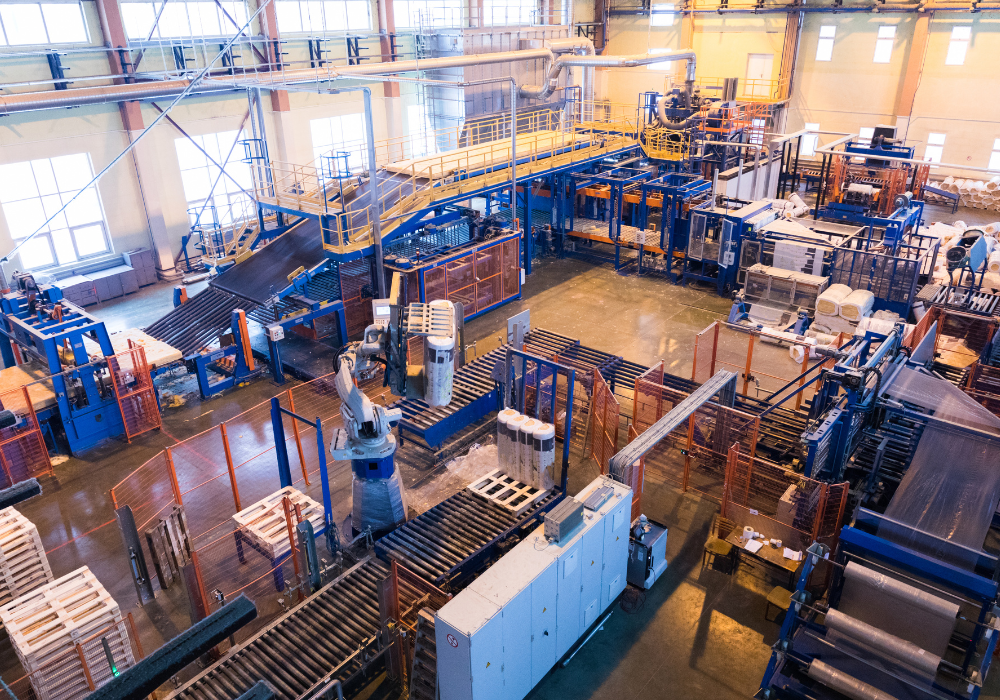
Chinese manufacturing fixed investment shrank by 6.7% year-on-year in October, deepening the slump that began in July. We expect this decline to continue for most of H1 2026. The pace of recovery will depend on the policy support in the Fifteenth Five-Year Plan.

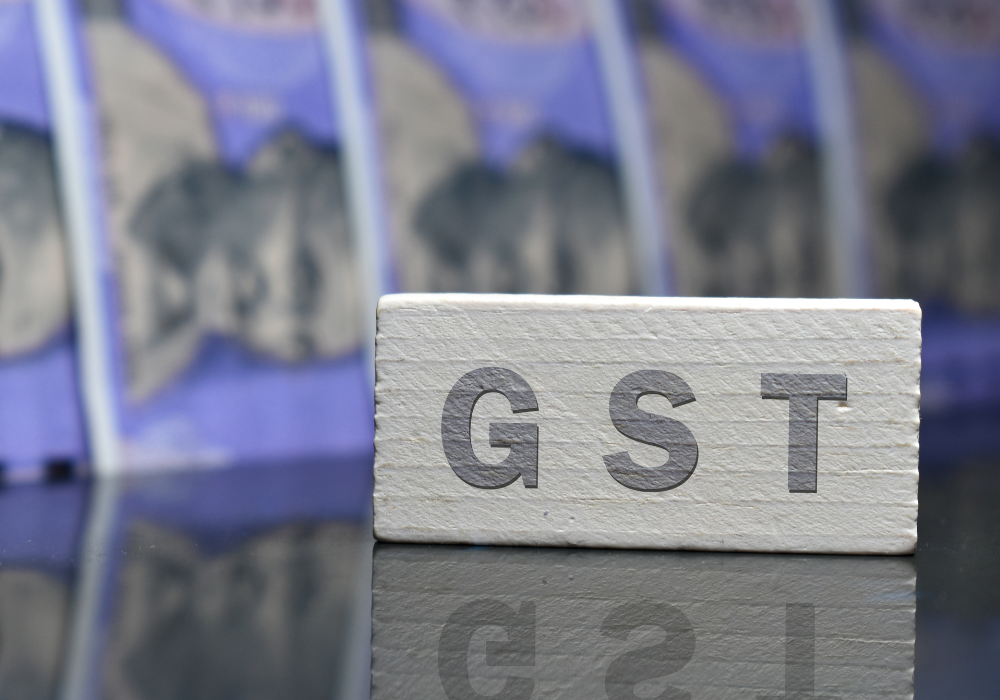
Research Briefing India’s GST reform benefits durables, but far from a game changer

Using sectoral production data from Oxford’s Global Industry Service, we have been able to quantify which countries and sectors have the greatest potential for production migration. Applying this framework across Asia reveals meaningful industrial depth in Vietnam, Thailand, and Malaysia in trade-intensive segments, and a distinctive, more resource-heavy footing in Indonesia and India.

China’s emerging roles as both a critical intermediate goods supplier to global supply chains and a dominant producer of high value-added goods will remain the key forces sustaining its large current account surplus, far more so than the eventual direction of US tariffs.

Asia’s growth outperformance this year has been buoyed by frontloaded US orders and strong global demand for technology goods. However, non-tech exports are already losing steam, and the risk of further US sectoral tariffs underscores the vulnerability of the region’s trade recovery.