China’s latest “anti-involution” campaign, aimed at curbing excessive price competition, falls well short of the kind of meaningful supply-side reform that could trigger reflation. In our view, genuine reflation would require a combination of capacity cuts and meaningful demand stimulus. Yet, such a policy mix is far more difficult to deliver in the current environment.
Jiawen Cui
China is unlikely to achieve full chip self-sufficiency any time soon because of high technological hurdles in producing advanced manufacturing equipment and materials. The self-sufficiency target now stretches well beyond actual fabrication to include the entire chip supply chain as China struggles to acquire necessary input and machinery into the production process.
Although each legacy city confronts distinct obstacles, they also possess distinctive strengths that can be harnessed for success in today’s world. The Global Cities Index reveals that these cities can study successful examples and apply those insights to develop effective approaches for thriving in our fast-evolving global landscape.
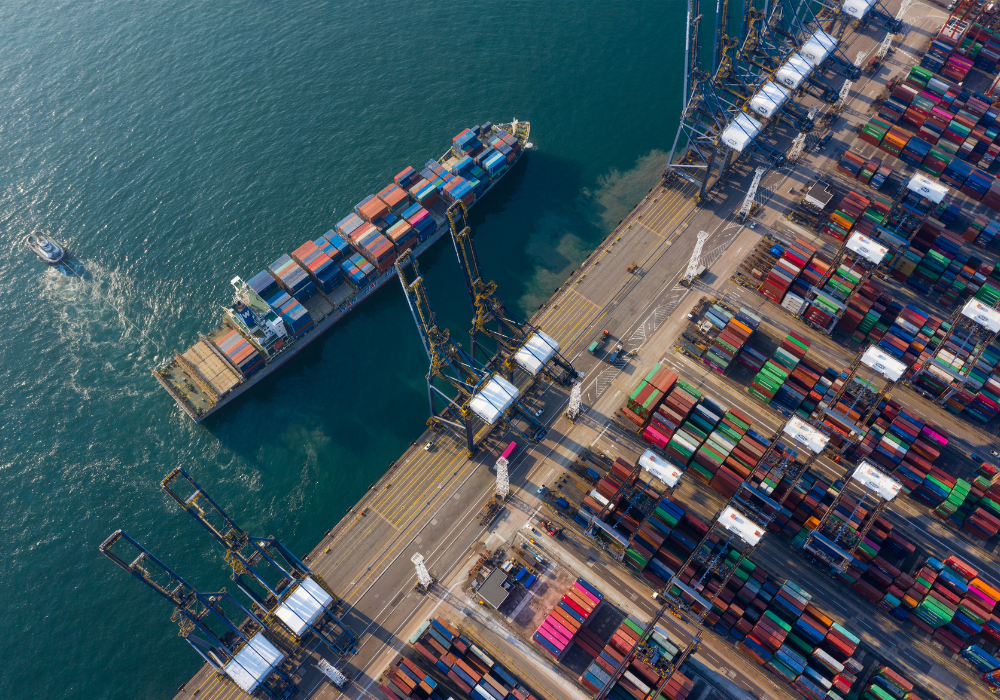
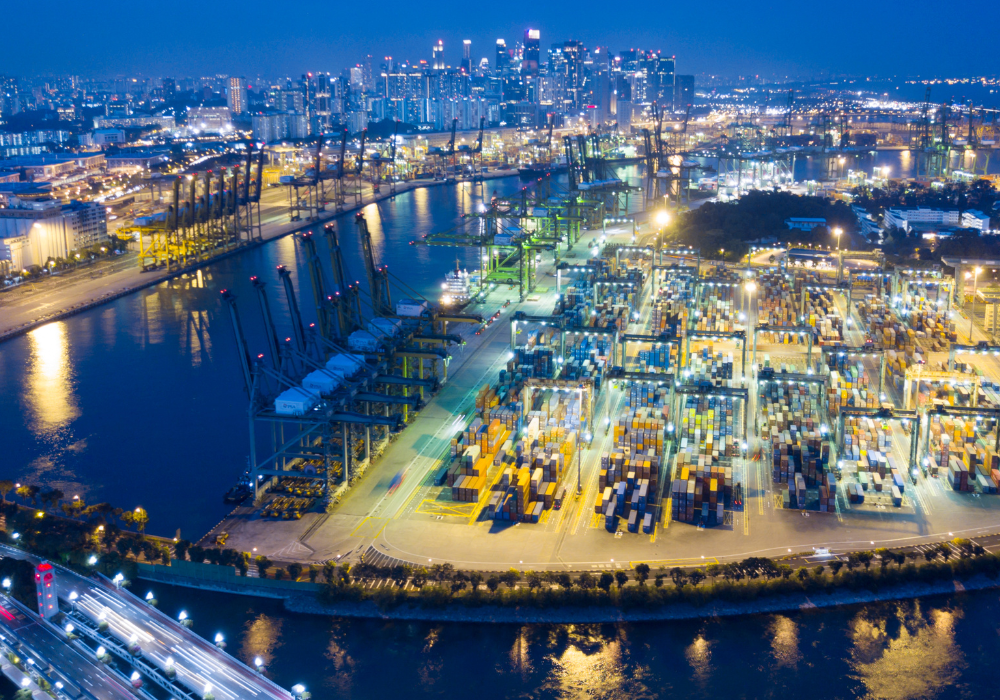
Cities and regions where we expect the largest downgrades to GDP growth over 2025–2026 are those with higher concentrations of economic activity in export manufacturing—especially those facing targeted US tariffs and those vulnerable to the second-round effects of lower global demand. Lower global trade and industrial activity will also affect regional logistics and transport hubs.
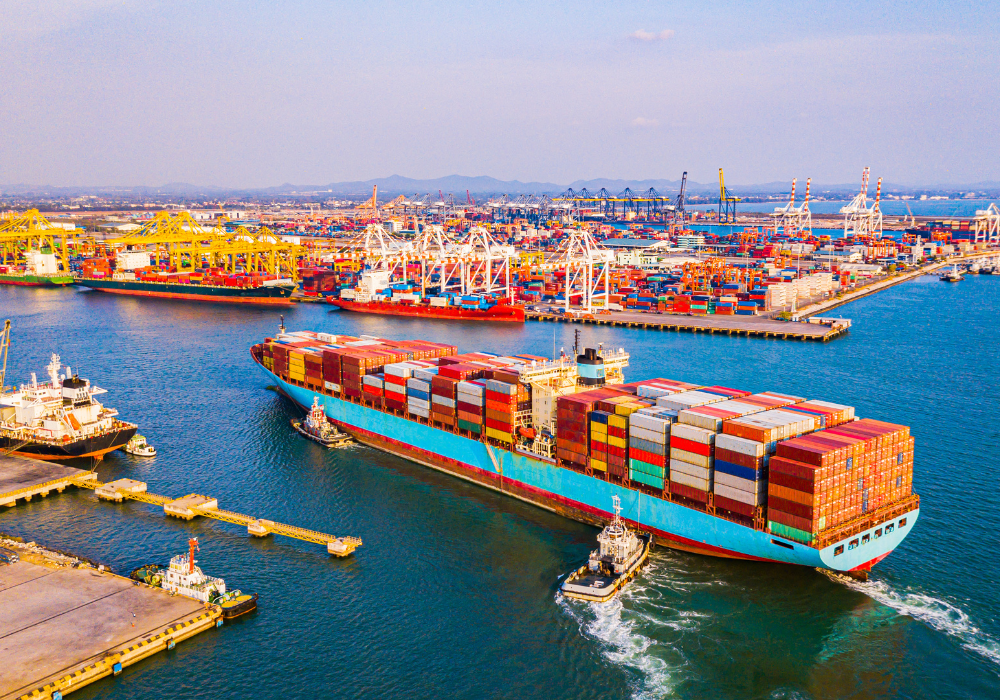
The ‘liberation day’ tariffs have been postponed, but the existing tariffs and those likely forthcoming present significant downside risks for most Asian industrial real estate markets. Reduced business investment, weaker confidence, and risk-off sentiment alone will inflict a demand shock on industrial and logistics operators, with expansion plans likely on hold.
The United States has introduced an additional 10% levy on Chinese imports as part of the opening round of the Trump 2.0 tariff regime. While certainly not as severe as some of the tariff threats made against China by President Trump in the run up to his inauguration, we nevertheless expect the additional tariffs to affect the country’s economic performance—with coastal tech manufacturing hubs particularly vulnerable.
Related Posts Downside risks for Asian industrial real estate markets The ‘liberation day’ tariffs have been postponed, but the existing tariffs and those likely forthcoming present significant downside risks for most Asian industrial real estate markets. Reduced business investment, weaker confidence, and risk-off sentiment alone will inflict a demand shock on industrial and logistics operators, … Read more