
Ungated Post | 19 Jan 2021
The Status of German Fashion

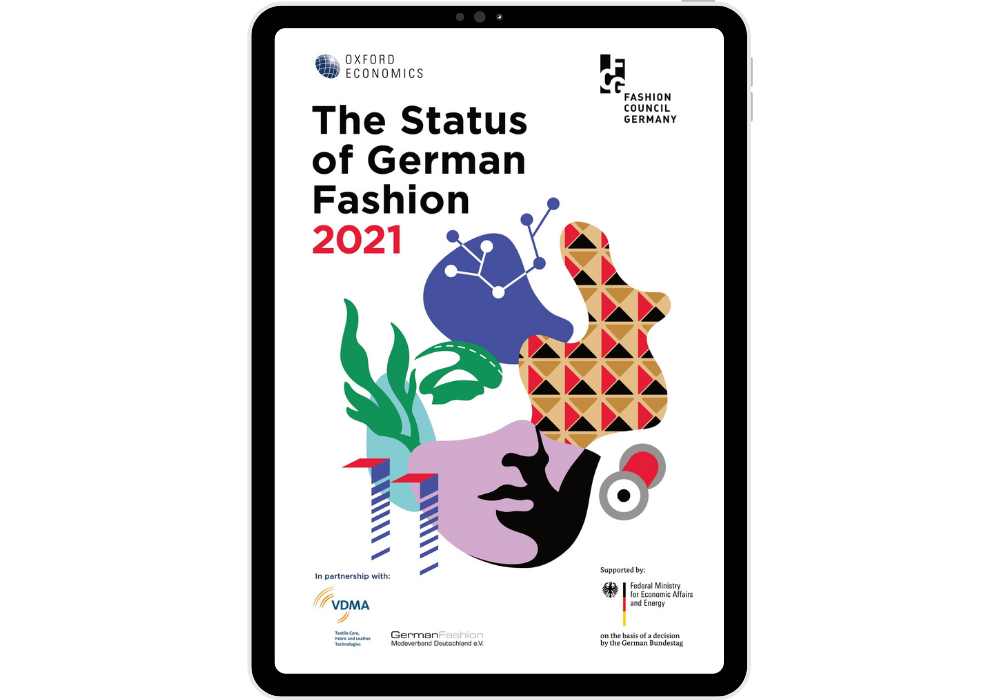
This study, the first of its kind, analyses the economic impact of the German fashion industry across the full sweep of the fashion industry’s significant components. In addition, expert interviews with leading CEOs, publishers, PR experts and designers active within the German fashion industry have served as a basis for a detailed SWOT analysis, altogether with the aim to conclude with concrete recommendations for policymakers and industry associations.
“Made in Germany” is a globally recognised seal of quality but despite Germany’s overall importance with regards to global fashion – a leading textiles exporter, at the forefront of innovation for smart textiles, sustainability trends, and textile machinery, as well as featuring one of the largest consumer markets – German fashion has yet to catch-up in terms of international standing. This reports assesses the current status of German fashion, its economic impact and formulates some clear recommendations for policy makers.
Our economic consulting and thought leadership teams are world leaders in quantitative economic analysis and original, evidence-based research, working with clients around the globe and across sectors to build models, forecast markets, run extensive surveys, and evaluate interventions using state-of-the art techniques.
You also may be interested in

Post
US Bifurcated ꟷ Economic backdrop deepens racial disparities
Black and Hispanic households have experienced more inflation than other groups since the reopening of the economy from the pandemic lockdowns. Although there've been many phases of high inflation, some have disproportionately hurt these minority groups, such as the jump in energy prices following Russia's invasion of Ukraine, with the ensuing surge in rental inflation further setting them back.
Find Out More
Post
US Tariff Monitor – Going bananas over food prices
The US macroeconomic implications are minor, and the resulting reduction in inflation next year is no more than just a handful of basis points.
Find Out More
Post
The kids aren’t alright – Economic health of Gen Z
Unemployment is rising and wage growth is declining for young adults, which could have a long-term scarring impact. Weak labor market prospects and rising housing costs are causing more young adults to live with their parents.
Find Out More