


Explore the challenges of labour productivity in Australia. Understand how skills mismatch affects economic growth and what can be done to improve outcomes.
Explore the challenges of labour productivity in Australia. Understand how skills mismatch affects economic growth and what can be done to improve outcomes.

Australia’s productivity has stagnated due to weak business investment, declining dynamism, slower technological payoffs, and a meek appetite for economic reform.

Australia’s student migration slowed in FY2025 as higher fees, testing standards, and provider caps took effect. While net overseas migration eased to 280,000, favourable currency settings, stronger work rights, and a higher student cap signal modest growth opportunities ahead.

Explore July’s labour market update: unemployment dips to 4.2%, showing stability despite economic challenges. Learn how these trends may impact the future.

Explore Australia’s goods trade dynamics, with rising exports and falling imports. Learn how global demand impacts the trade balance and future projections.

Australia’s climate conversation is shifting. With a more ambitious 2035 target on the horizon, the focus is moving from whether companies should act on emissions to how quickly and strategically they can do it.

Household spending rose in June, driven by EOFY sales, but subdued per capita growth and labour market softness reinforce expectations of an RBA rate cut.

Blog The Next Chapter for Rail: From Megaprojects to Maintenance and Skills Preparing Australia’s Rail Workforce for a Future Beyond Construction The infrastructure investment boom has dramatically transformed Australia’s rail sector. Over the past decade, we’ve seen extraordinary progress-from expanding metro networks to constructing major freight and regional rail projects. As I shared during my … Read more

CBD office markets in Australia face high vacancy rates, but a supply shortage is expected to drive a strong rent recovery. Effective rents are forecast to rise sharply up to 108% in some cities by FY2035 as vacancy rates fall and incentives normalise.

Oxford Economics Australia delivered a tailored economic impact assessment for Airbnb, including GDP contribution modelling, job creation analytics, guest‑spend segmentation, and regional tourism dispersion insights to underpin Airbnb’s stakeholder communications and strategic growth initiatives.

Explore climate risk insurance modelling to enhance sustainability and affordability in Australia’s insurance sector amid rising climate challenges.

Oxford Economics Australia undertook analysis forecasting workforce and skills requirements for the finance, technology and business sector out to 2030 as a key input to the Future Skills Organisation’s 2025 Workforce Plan.

RePORT Labour tight, but purse strings tighter in Australia Economic Outlook Improves Slightly Amid Job Strength and Supportive Exports, But Recovery Remains Uneven

Oxford Economics Australia delivered an independent economic impact assessment for Uber Eats, quantifying additional revenue for restaurants, GDP contribution, and consumer wellbeing benefits across 67 new regional markets.
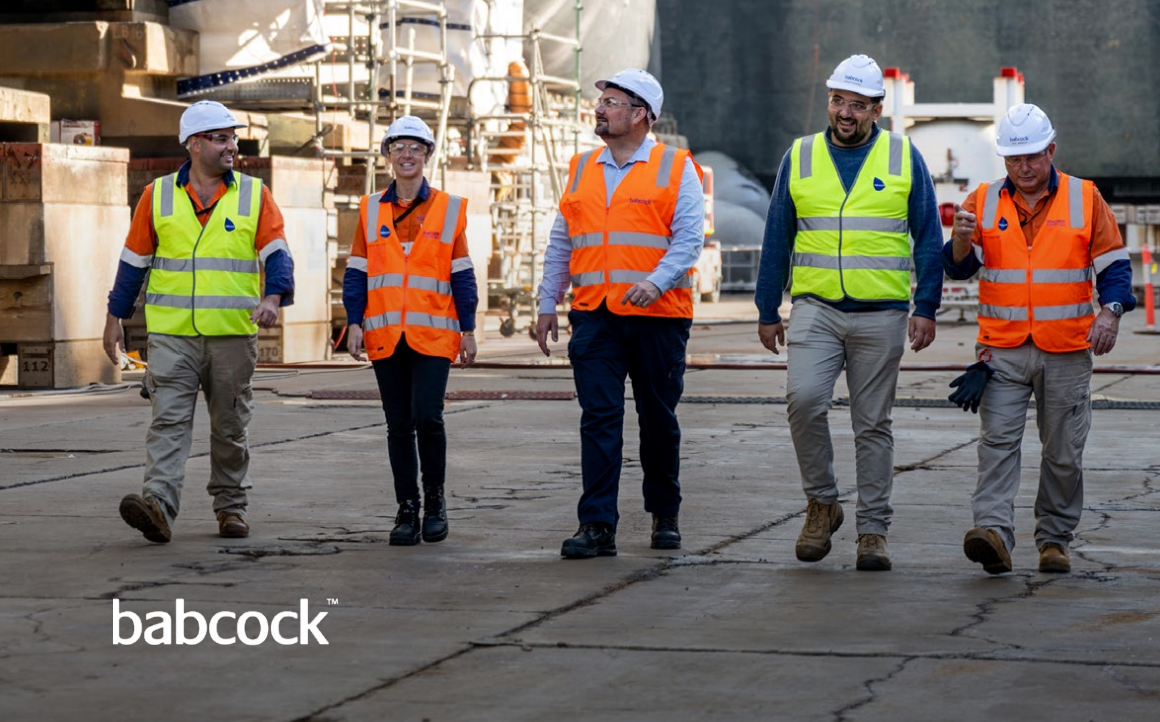
Oxford Economics Australia provided Babcock with a comprehensive, independent analysis quantifying its total GDP, employment, tax, and socio-economic contributions across Defence and Civil sectors, SME engagement, and state-specific impact modelling.

Investment drives economic growth, but in recent years, the Australian economy has been dependent on growth in public investment while growth in private investment has flatlined. Over the second half of the 2020s, this trend is expected to reverse, with rising private investment stirring stronger economic outcomes, but also driving changes in the pattern and volume of construction activity.

Explore the 2025/26 Queensland Budget, focusing on public infrastructure, housing support for first home buyers, and key projects for the 2032 Brisbane Olympics.

Explore the new Monthly Household Spending Indicator (MHSI) in Australia, providing a comprehensive view of household spending patterns beyond traditional retail data.

Discover the key highlights of the 2025/26 NSW Budget, including extended land tax concessions for build-to-rent and funding for major infrastructure developments.

Oxford Economics partnered with a Major Australian Bank to develop Australia-specific climate stress-testing scenarios, linking data-driven modelling to strategic resilience.
