


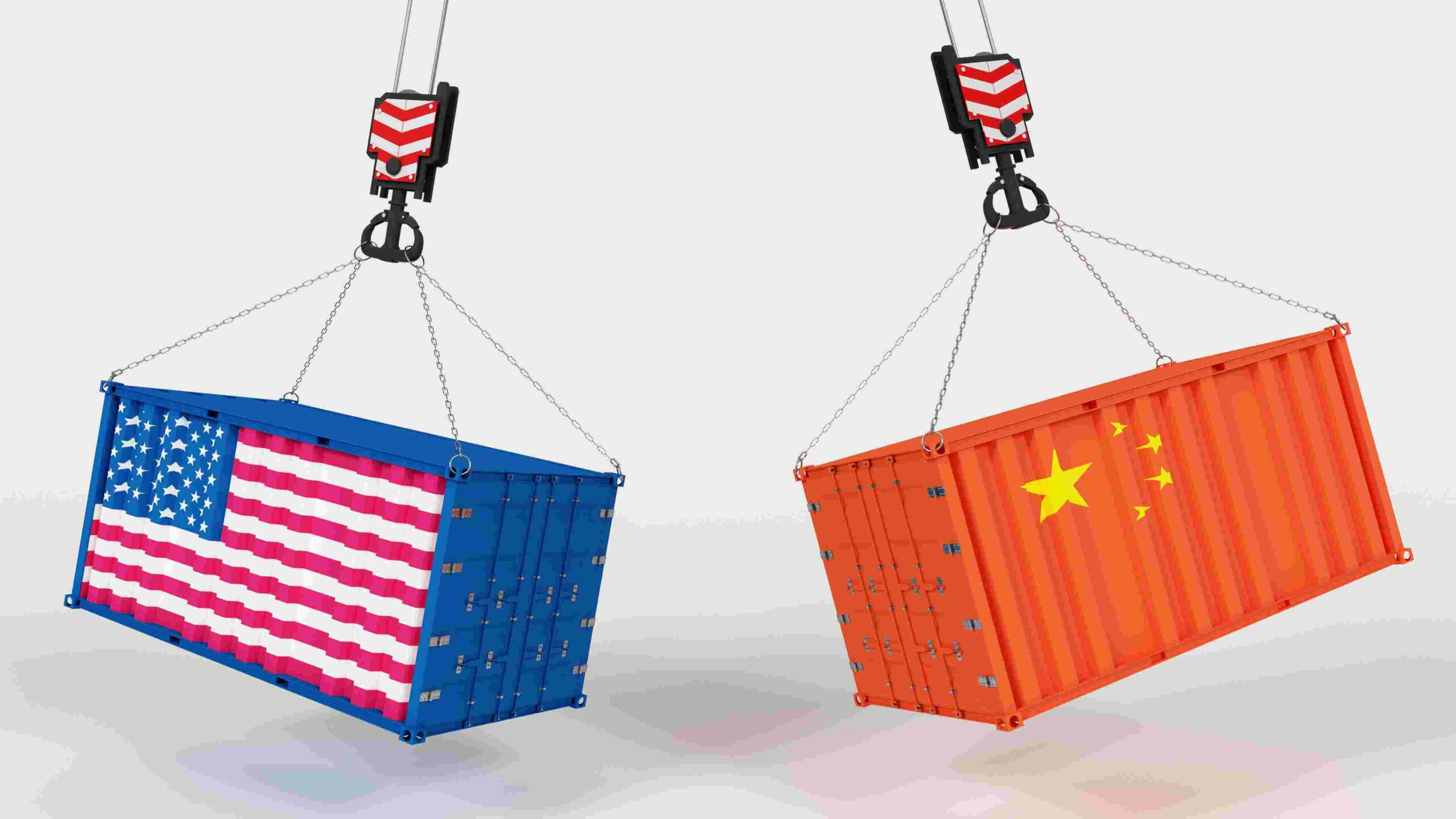
Join Oxford Economics and Control Risks experts as they answer your questions and explore the trade, economic and geopolitical dimensions of the relationship between US and China.
Join Oxford Economics and Control Risks experts as they answer your questions and explore the trade, economic and geopolitical dimensions of the relationship between US and China.

Join our industry economists to hear about which sectors have proved more and less resilient to the energy price shock, which sectors and regions continue to benefit strongly from the AI datacentre buildout, and what shape we expect the industrial catch-up growth next year to take.

China’s past decade has delivered rapid technological progress. The 15th Five-Year Plan extends this strategy, with robotics, AI, and innovative pharmaceuticals emerging as the “New New Three” after the earlier rise of electric vehicles, solar cells, and batteries. This webinar examines the risks to China’s macro outlook and the global technology race. We also explore questions on the implications on China’s relationship with the rest of world, as tech and trade tensions continue to shape global trade and industrial policy agendas.

The 2026 FIFA World Cup wrapped after 104 matches and more than five weeks of competition across North America.

Join us as we examine the key insights from our Q3 2026 Global Scenarios Service. Our focus is on the risks to the global economy from the key shockwaves hitting the global economy.

APAC industry is set to remain the global outperformer this year, supported by AI-led investment and the rapid expansion of the region’s technology manufacturing ecosystem. Strength across the AI supply chain will continue to underpin industrial activity, even as momentum in traditional manufacturing becomes more uneven. At the same time, elevated energy prices stemming from renewed Middle East tensions are increasing cost pressures for energy-intensive industries, while continued uncertainty around trade policy and tariffs adds further headwinds. In this webinar, we will assess the latest developments and their implications for the Asia-Pacific manufacturing outlook.

Join our webinar exploring how AI and data centre investment are reshaping construction, infrastructure, capacity and productivity.
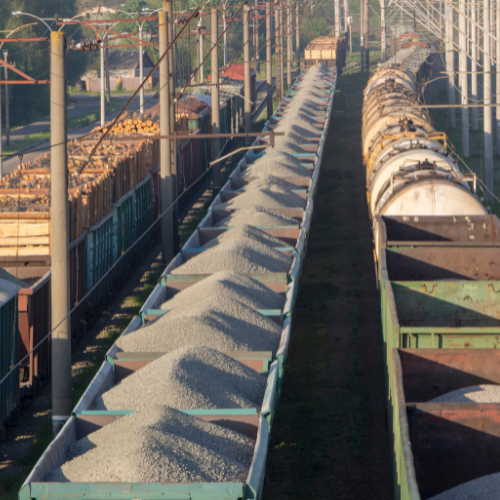
Risks across commodity markets are increasingly tilted to the upside, as conflict in the Middle East and Russia-Ukraine disrupts key energy and agricultural trade flows, while tighter physical markets and emerging El Niño risks add further pressure.

Our 2026 Global Cities Index has landed and once again ranks the 1,000 largest cities in the world across a range of socio-economic metrics.

Economic headlines are everywhere, but turning them into a reliable sales forecast is another matter. Join Translating Economic Data into Business Strategy to see how economic data can be converted into decisions you can act on—from sizing a market five years out to spotting the downstream risks that could hit next year’s sales.

Join our webinar to explore the outlook for Australia’s living sectors, including build-to-rent, land lease communities and purpose-built student accommodation, as institutional investment and new supply continue to grow.

Join our interactive discussion on the key geopolitical themes to monitor for 2027. We’ll review key geopolitical trends, risks, and events companies should consider for next year’s planning and draw implications for both corporates and investors.

Join our scenarios and modelling team as they explain the latest updates to the exchange rate framework in Oxford Economics’ Global Economic Model. Our latest developments aim to reflect China’s growing influence on global economic and financial cycles and deepen the model’s scenario capabilities.
As corporate planning season approaches, the global consumer outlook for 2027 remains uncertain. In this webinar, we’ll cover macro assumptions and scenarios for next year, covering opportunities for B2C firms at the country, city, and sector level, as well as risks and scenarios companies can build into their plans to improve resilience to external shocks. We’ll cover major geographies like the US, Europe, China, and emerging markets, as well as highlights across different consumer segments, tourism opportunities, and input costs.

As B2B firms start building 2027 budgets, the global economic outlook remains complex and uncertain. In this webinar, we’ll cover all the key macro planning inputs companies need for next year’s budgets, as well as scenarios and implications. We’ll cover top growth areas and opportunities at the geographic, sector, and segment level to support prioritization decisions.

Register for this webinar to understand how geopolitical tensions are reshaping global trade and supply-chain resilience.

The scale of AI’s impact on the world economy is still deeply uncertain. In this webinar, we examine AI’s likely effect on productivity growth, the implications for labour markets, and the explicit AI assumptions embedded in our baseline forecast.

Join us for this webinar as we examine Zambia’s general elections on 13 August and what the outcome could mean for the country’s political and economic outlook.
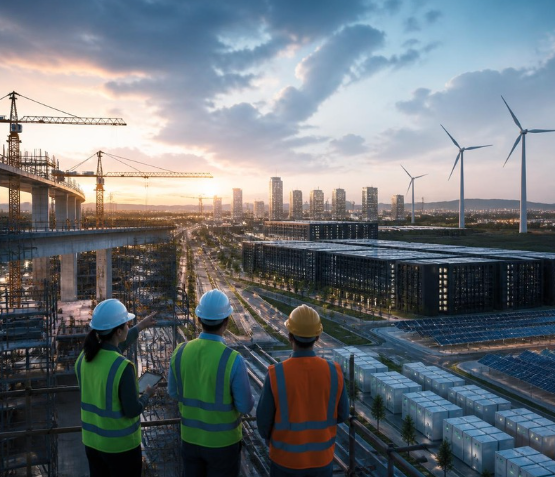
Australia’s construction sector is shifting gears. Data centres and non-residential investment are stepping up as engines of growth while engineering firms pivot from transport megaprojects toward the infrastructure of the energy transition. Beneath these shifts, the sector continues to grapple with capacity constraints, elevated costs and a tight labour market that will shape how far and how fast activity can grow. This webinar brings together Oxford Economics’ construction and macro specialists to unpack these shifting growth engines and what they mean for capacity, costs and strategy over the decade ahead.

Oxford Economics’ experts will explore how AI adoption will affect workers and productivity, developments from the Middle East conflict, and the broader global macroeconomic outlook.
