


The global build-out of AI capacity is fuelling a trade boom in the goods needed to deliver it.
The global build-out of AI capacity is fuelling a trade boom in the goods needed to deliver it.
Higher bond yields, inflation, and oil prices are raising the cost of trade.
The closure of the Strait of Hormuz has cost the global economy dearly. But Hormuz is one of around 30 maritime chokepoints that control global trade.
Register for this webinar to understand how geopolitical tensions are reshaping global trade and supply-chain resilience.

We examine key insights from our Q2 2026 Global Scenarios Service and focus on the Iran war, exploring the potential implications of both a severe near-term energy shock and more persistent disruption in the event of the Strait of Hormuz remaining effectively closed over the coming 18 months.
The war in the Middle East has shut down the Strait of Hormuz, cutting off a quarter of global energy exports and sending oil prices surging. The clock is ticking on US tariffs following the Supreme Court’s February ruling, creating uncertainty for businesses and supply chains come July. In response, global trade patterns are shifting, economies are racing to diversify supply chains and deepen trade ties.
Oxford Economics examines how a prolonged Iran war could disrupt oil supply, reshape global trade flows, pressure energy-dependent economies, and impact global supply chains.
Disruptions in the Strait of Hormuz and escalating Iran tensions are driving inflation and downside growth risks in Australia.

Global trade faces mixed forces, with tariff easing supporting growth while Middle East conflict poses downside risks.
The conflict in the Middle East delivered an immediate shock to global trade, but the impacts aren’t uniform across regions and commodities.
Disruption to LNG flows through the Strait of Hormuz poses a bigger threat to Asia than higher oil prices, risking tighter power supply and weaker industrial momentum. Could this energy shock stall the region’s growth engine?
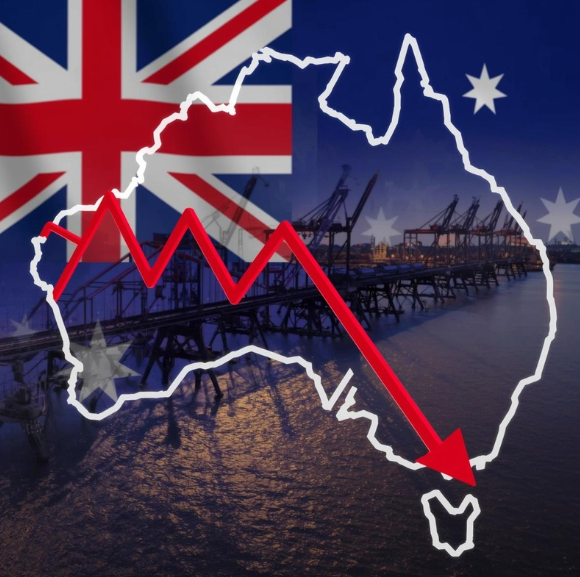
Australia’s trade surplus increased recently, but softer export demand and rising capital goods imports may put pressure on the outlook.
Explore how slowing global trade growth, China’s export pressures, and accelerating AI investment could reshape world trade volumes through 2026.
Research Briefing How trade shapes the winners and losers of AI boom Why AI’s biggest trade impact comes from investment cycles, not just innovation leadership
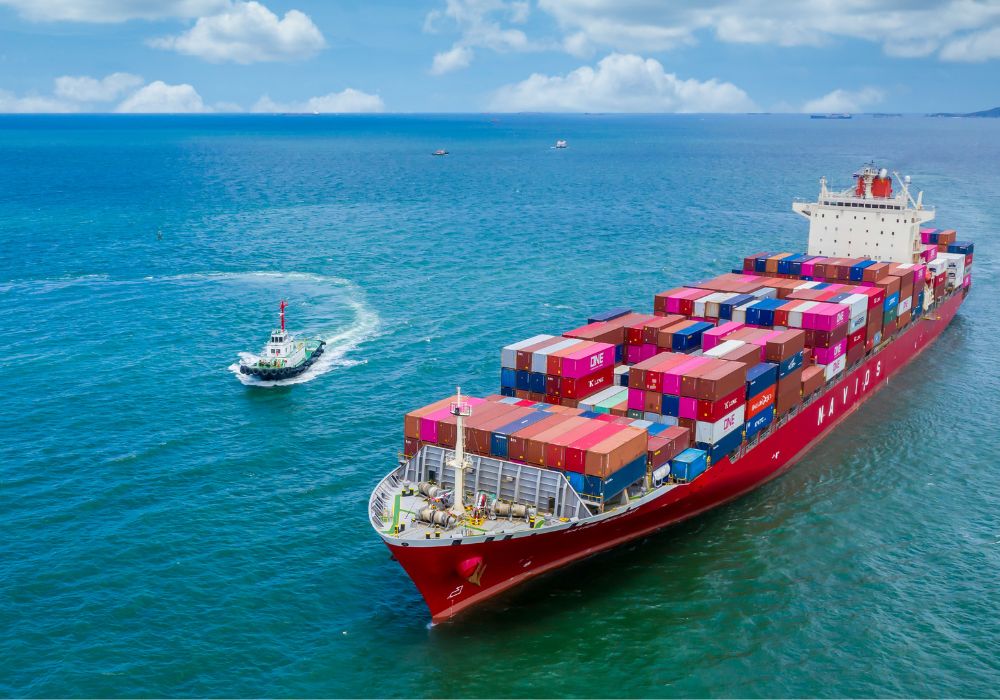
Global trade will be caught in a tug-of-war between tariffs and AI, capping growth at 1.2% in 2026.

Global trade is set for a stronger-than-expected rebound, supported by lower US tariffs, continued AI-driven investment, and China’s renewed export push. Our latest forecasts show upgrades to both nominal and volume trade growth in 2025–26, even as legal uncertainty surrounding US tariff mechanisms and evolving geopolitical dynamics pose risks to the outlook.

Global tradeflows remain under pressure despite easing tariff tensions. Recent US–China agreements reduce select import taxes and support China’s 2026 outlook, yet US imports continue to fall and supply chains pivot toward Asia and Europe. Containerised trade is set to expand, while bulk shipments soften alongside weaker industrial demand.
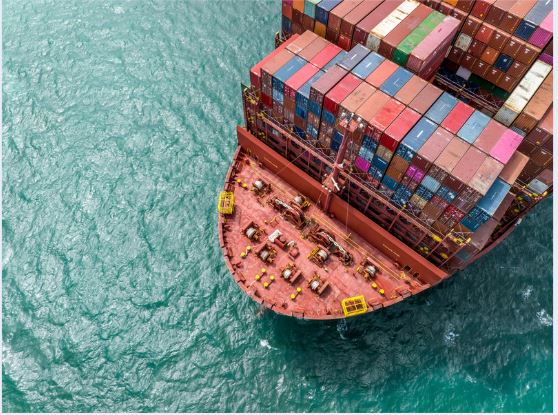
Trade disruptions spread across autos and pharma sectors, with EU tariff exemptions giving Europe a competitive edge amid global slowdown.

Australia’s economy has strengthened in recent months. Alongside a rise in consumer confidence, household spending momentum has continued in July and August after a strong Q2.

Economic Outlook Conference 2025 brought together business leaders and policymakers in Sydney & Melbourne where Oxford Economics Australia shared key insights on tariffs, investment, productivity, and sectoral trends shaping the nation’s economic outlook.