
OE Logo

In a rapidly evolving global trade environment, businesses must stay ahead of changing tariffs and regulatory demands. Our latest blog offers practical guidance on navigating tariffs, understanding key trade strategies, and leveraging accurate HS code classifications to optimize your supply chain. Explore essential insights that will help your business manage trade uncertainty, ensure compliance, and unlock new growth opportunities.

Amid ongoing global trade uncertainty, business leaders are struggling to plan ahead as new tariffs continue to reshape the market. Even so-called “locked-in” tariffs are proving to be temporary, adding to the unpredictability. Firms are cautious, waiting for clarity before committing to major investments. As global trade volumes decline, the importance of understanding every relevant trade tariff and accurately applying the correct HS code to imported goods becomes even more critical for managing costs and compliance.

Trump’s latest tariffs favour Australia and Singapore with unchanged 10% rates, while Brazil faces a sharp 50% hike. India, Vietnam, and Bangladesh continue to face some of the world’s highest effective tariffs despite recent declines.

Powered by insights from our TradePrism forecasting platform, this webinar will explore recent developments, changes to the near- and long-term trade outlook and how businesses can navigate the increasingly fragmented world.

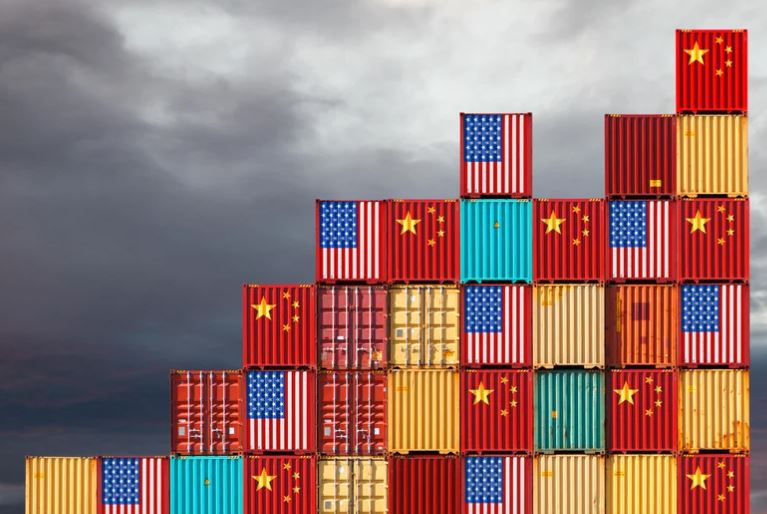
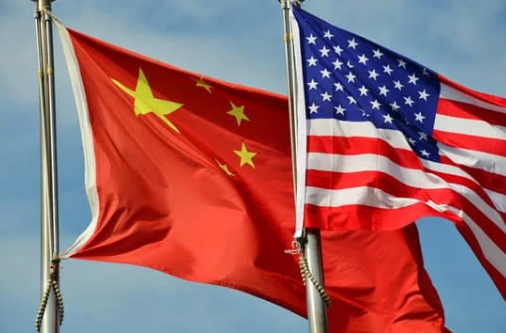
Explore the latest updates on US-China trade relations, including tariff changes and export forecasts. Stay informed on global trade trends and their impacts.

Oxford Economics, a global leader in economic forecasting and data analytics, has announced the launch of its TradePrism platform on Snowflake Marketplace, enabling businesses to seamlessly access and integrate trade data and forecasts into their operations in near real-time.

Trade tensions between the US and China have continued to ratchet-up over the last week. While the exemptions to technology exports from China to the US offers some (potentially temporary) respite, the high tariffs of other goods are likely to hit both economies hard.

On 2 April 2025, the US Administration announced a set of tariff increases, bringing the US back to levels of protectionism last seen in the Great Depression era. This significant shift in trade policy is set to have far-reaching implications for the global economy.

We expect Trump’s tariffs will reduce global trade values by more than 7% by 2030 compared to our pre-election forecasts.

Empowering a leading shipping company to enhance its strategic planning and identify new routes for growth