



Oxford Economics Australia worked with Chartered Accountants Australia and New Zealand to assess the accounting profession’s economic contribution, workforce outlook and future skills needs.
 Shaista Shaista
Oxford Economics Australia worked with Chartered Accountants Australia and New Zealand to assess the accounting profession’s economic contribution, workforce outlook and future skills needs.

This report presents Oxford Economics Australia’s and the Australian Energy Market Operator’s joint forecasts of electricity consumption by data centres in Australia.

This report explores the growing role of AI in energy systems, examining how data-driven AI, cloud computing and evolving market conditions are reshaping energy supply and demand.

RESEARCH BRIEFING Better-than-expected inflation figures ease pressure on RBA in Australia

The US data centre construction boom is reshaping the industry, driving record investment while creating regional capacity constraints, rising construction costs, and growing labour shortages. As spending surpasses traditional office construction, developers and contractors face increasing challenges in securing skilled workers and managing project delivery in high-growth markets.
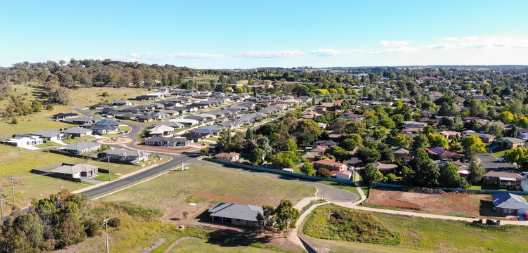
Australia’s retirement village sector is emerging as an increasingly attractive investment opportunity, supported by strong demographic demand, a growing development pipeline, and rising institutional capital. Explore the latest forecasts on supply, pricing, yields, capital values, and total returns in our latest report.

Australia’s industry growth has softened, but resilient business investment, data centre development, and a mining rebound are helping support activity through 2026.

While the ceasefire reduces immediate energy risks, Australian construction costs are likely to remain under pressure.

AI-driven data center growth is driving up construction demand, costs, and labor pressures.

Oxford Economics examines how a prolonged Iran war could disrupt oil supply, reshape global trade flows, pressure energy-dependent economies, and impact global supply chains.

The report highlights the significant economic and strategic importance of AI, cloud computing, and data-enabled technologies in helping Australia unlock water capacity, improve efficiency, and support more resilient utilities, agriculture, households, and industry.

Oxford Economics today announced the acquisition of Macromonitor, a leading provider of economic forecasting and research services to Australia’s building and construction sector.

Australia’s labour market remains resilient, with steady employment keeping the unemployment rate stable and reinforcing expectations of a May rate hike.

Disruptions in the Strait of Hormuz and escalating Iran tensions are driving inflation and downside growth risks in Australia.

Global trade faces mixed forces, with tariff easing supporting growth while Middle East conflict poses downside risks.

The report highlights the significant economic and strategic importance of Australia’s cement, concrete and aggregates industry in supporting construction, infrastructure delivery, and national supply chains.

The conflict in the Middle East delivered an immediate shock to global trade, but the impacts aren’t uniform across regions and commodities.
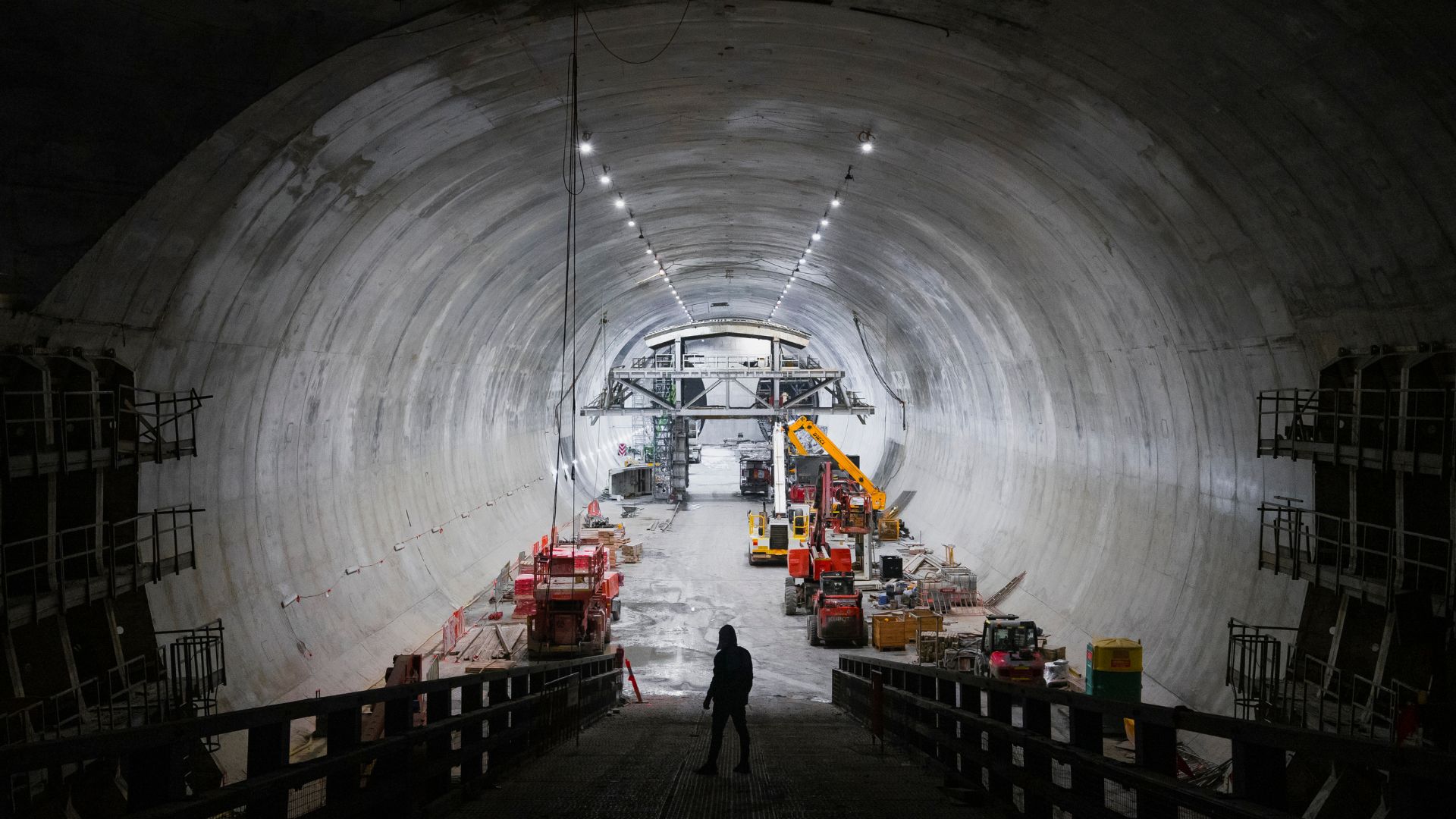
Australia is at the peak of a boom in tunnel work, supported by a record level of transportation construction activity. The pipeline of tunnelling work is set to begin declining as government funding of infrastructure projects slows.

Imports rise on data centre demand as Australia’s trade surplus narrows.

RESEARCH BRIEFING Wage growth should slow, but upside risks persist in Australia Labour shortages and strong demand continue to support wage growth.