


2022 was a bad year for the brand known as Tech, but a solid one for the advancement of digital technology.
 Saarah Ghazi
2022 was a bad year for the brand known as Tech, but a solid one for the advancement of digital technology.

Our Policy Impact Model (PIM) helps to measure the potential impact of intervention and can help local authorities and their economic development partners choose which of these are most appropriate, inform funding bids, and evaluate the impacts of past interventions.

With Covid-related restrictions now removed, the Chinese economy is due for a bounce. In consensus thinking, much of that uptick is expected to come from private consumption.

We now incorporate a faster recovery from the post-Covid exit wave and raise our 2023 full-year GDP growth forecast to 4.5% (from 4.2% previously).

The IMF’s calendar-year forecast for global GDP growth in 2023 to slow only marginally amounts to an assessment that the global economy will enjoy a soft landing.

We expect the UK economy to be in recession in 2023, with GDP forecast to contract by 0.7% in the year as a whole.

France has dodged soaring price pressures better than its eurozone peers, but we think its inflation will fall more slowly.

In this new quarterly Research Briefing series, we answer the top five questions we’ve recently received from clients.

Our baseline economic outlook now assumes a mild US recession beginning in the second quarter of 2023. Despite recent moderation, core inflation remains stubbornly persistent and broad-based across goods & services.

Supply-chain stress continues to recede, boding well for inflation and lending some upside risk to our near-term growth outlook.

Though our baseline forecast this year is a shallow global recession in the first half of the year the uncertainty around the forecast is higher than usual.
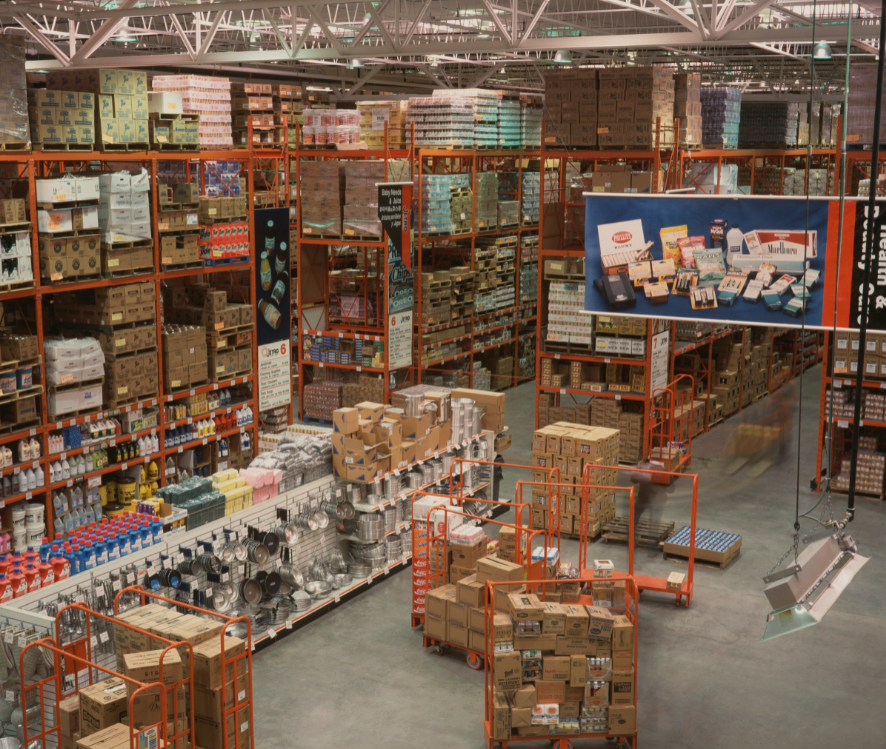
Major shocks over the past two years have prompted US manufacturing firms to rethink their supply chains, with greater inventory stocking being one of the reactions.

House prices have fallen rapidly in several economies over recent months and more pain looks likely in 2023.

The latest Beige Book revealed an economy that on balance was treading water heading into 2023.

China’s late December announcement to reopen its borders in January 2023 came as a surprise to the international community and was in stark contrast to the messaging during the National Party Congress a little over a month earlier in November.

Financial conditions have deteriorated across ASEAN-5 economies to varying degrees. As well as monetary tightening, a broad depreciation of currencies and rising long-term rates are weighing on financial conditions generally across the region.

Metal prices ended 2022 lower than they started the year, despite the Russian invasion of Ukraine initially causing prices to spike.

Our cross asset framework is based on five proprietary indicators (economic cycle, credit impulse, financial stress, relative valuation, and sentiment) and guides our monthly cross-asset risk appetite in our flagship Global Asset Allocation (GAA) reports.

While China’s sooner-than-expected reopening has led some to pencil in a more robust rebound in 2023, we are more cautious.

Seattle faces a number of challenges including the threat of tech layoffs, but its aerospace sector is finally recovering.
