



Long-term forward rates have risen markedly in the US, eurozone, and UK over the past year, and now stand well above pre-pandemic (2015-2019) averages.
 Isabelle Gray
Long-term forward rates have risen markedly in the US, eurozone, and UK over the past year, and now stand well above pre-pandemic (2015-2019) averages.
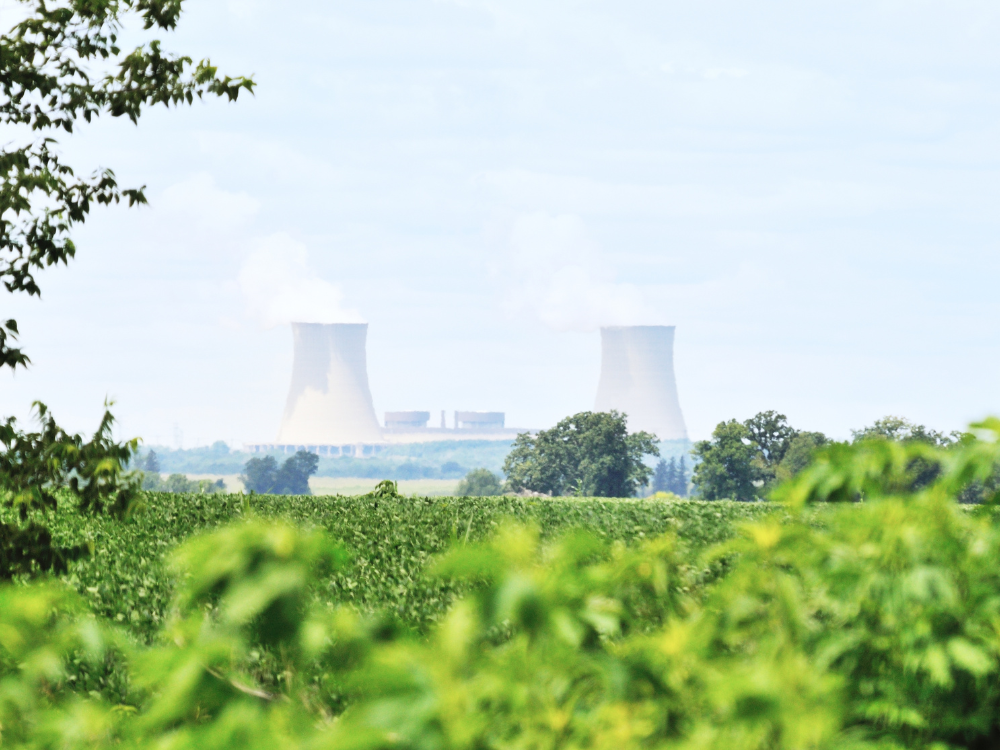
The energy crisis has provoked a fundamental rethink of nuclear energy across Europe and many governments are now committing to building new reactors or delaying phaseouts. But we estimate phaseouts will still offset new additions for some years.
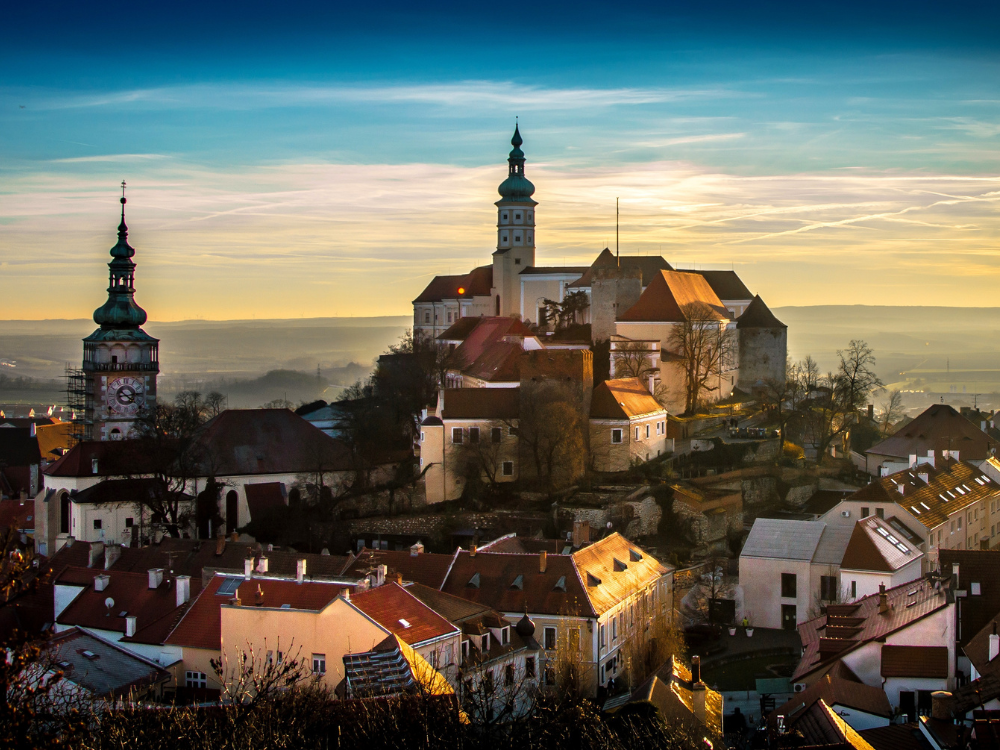
We think rapidly deteriorating demand and easing commodity prices will prompt the Czech National Bank (CNB) to start cutting rates at the end of Q2.

The World Economic Forum’s annual risk survey shows that climate inaction makes up the top four of its 10 most severe global risks over the coming decade. On the same day that the WEF findings were released, new analysis was published into the opportunities the world’s transition to a greener economy would represent for businesses and investors prepared to make the changes needed.

Positive developments in energy markets mean the risk of a sharp downturn in the eurozone during the winter has diminished greatly.

Despite the Covid-19 pandemic, the German construction industry developed positively in 2020 and 2021 supporting the overall economy during the crisis.
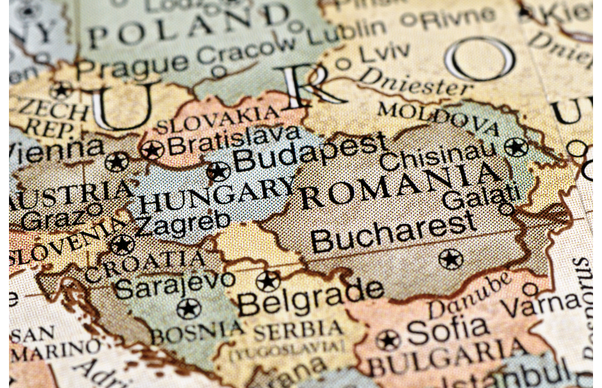
We expect Central and Eastern Europe will start 2023 in a synchronized economic downturn, like the rest of the EU.
We expect Italy to avoid gas rationing this winter and next, with our key scenario showing that at the end of this winter gas storage will be comfortably over 30% of capacity.

Oxford Economics undertook a study for the Independent Schools Council (ISC) assessing the impact of independent schools on the UK economy in 2021, and quantifying the associated taxpayer savings.
Despite the Covid-19 pandemic, the German construction industry developed positively in 2020 and 2021 supporting the overall economy during the crisis.
Surging inflation has dampened the outlook for consumer spending, which will contribute to a global recession over the coming months.

Labour markets across a range of advanced economies are cooling rapidly, according to a unique dataset developed by Oxford Economics and Penta.
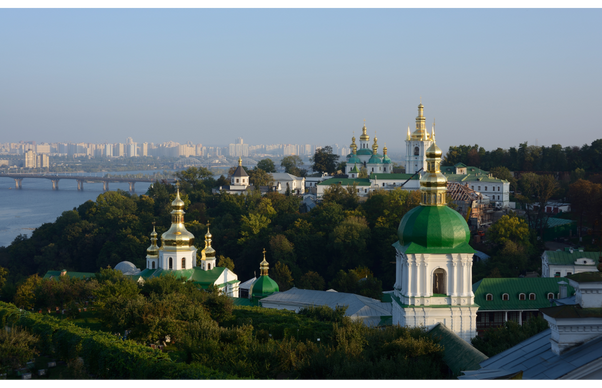
After nine months of devastating war, we expect Ukraine’s economic contraction to reach 31% in 2022. Prompt monetary and fiscal policy responses and $23bn of external financing have prevented a much deeper contraction.
Rising interest rates mean the BoE is now making a loss on the gilts it purchased under quantitative easing. With the Treasury committed to making the BoE’s losses good, covering this cost is already adding to government debt.

We think the outlook for traditional winter sales in the eurozone is subdued this year and any boost won’t be enough to prevent consumer spending from contracting in Q4. Indeed, having already fallen in the past three quarters, we expect retail sales to contract over the next six months.
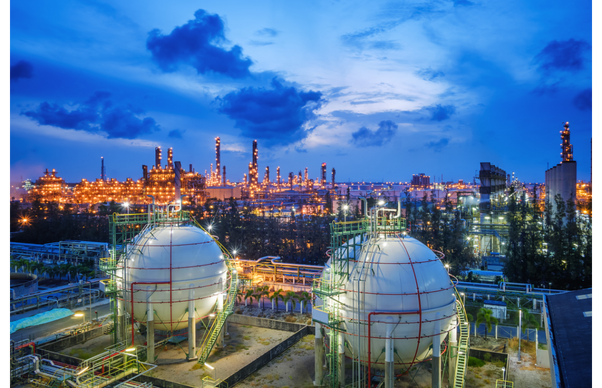
Better fundamentals and fewer operational setbacks should lower gross gas use by the EU’s power sector by 200TWh (5% of total gas consumption) next year, enhancing the bloc’s energy security. Renewables and nuclear should drive the supply side improvement, but risks remain.
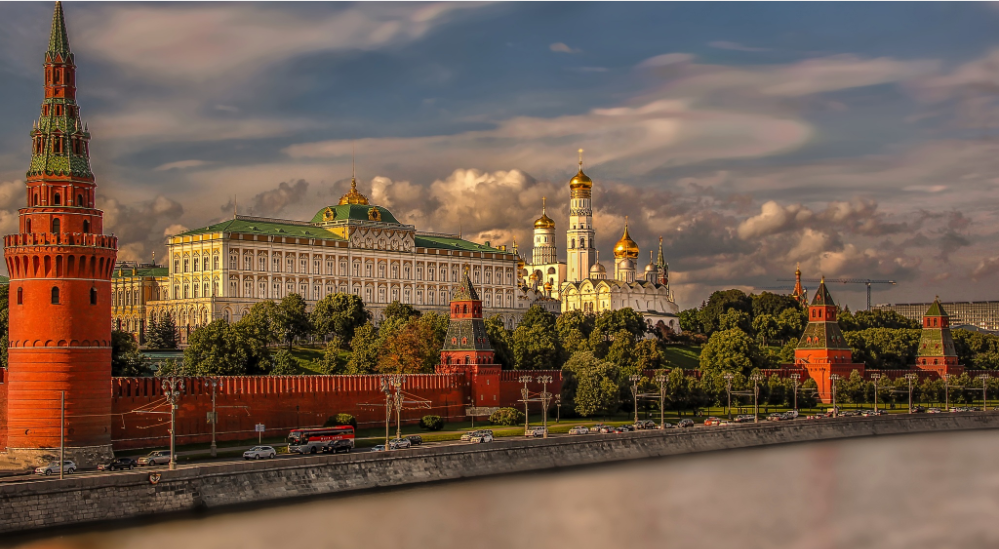
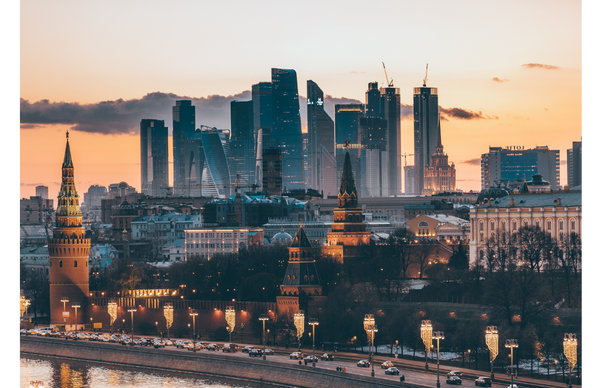
As Russia’s war in Ukraine enters a new phase, so does the economic crisis. Based on my conversations with locals and observations from a recent visit to Moscow, it appears the mobilisation of new troops announced in late September has dented consumer and business confidence and reduced demand for goods and services.

This study assesses Babcock International Group’s contribution to UK GDP and employment, along with its broader social impact.
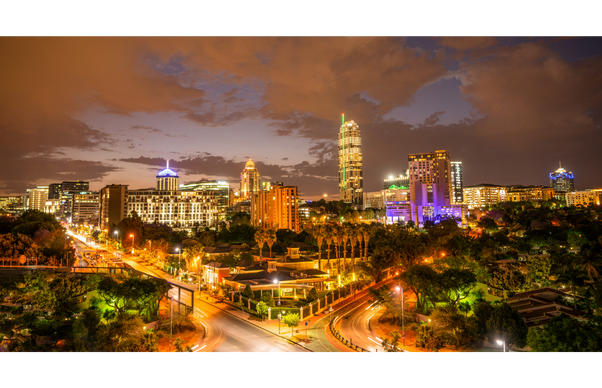
Sub-Saharan Africa will be at the very epicentre of global urbanisation over the next two decades, with the world’s top 20 fastest growing cities for population all being found in the region.
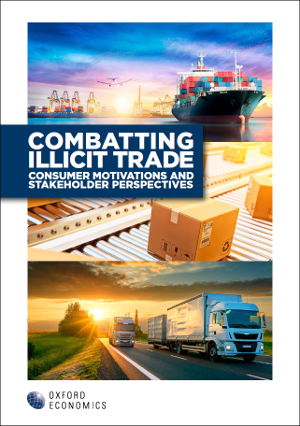
Illicit trade is a persistent and growing threat, as technology, the global economy and e-commerce open new opportunities for counterfeit products to infiltrate supply chains and provide consumers with illicit products. Many understand the risks—that illicit trade can cause serious public health issues, and that the proceeds from illicit sales fund other criminal activities. Others view some form of illicit trade as the soft underbelly of the global economy— the price to be paid for frictionless trade.
