

















OE Logo

Lending to SMEs by Funding Circle supported a £6.9 billion contribution to UK GDP, sustained over 95,800 jobs, and was associated with activity stimulating £1.6 billion in tax revenues in 2023.

Oxford Economics were commissioned by British Gas to undertake a social return on investment analysis of the British Gas Energy Trust, a charity which funds interventions to alleviate the detrimental impact of fuel poverty.

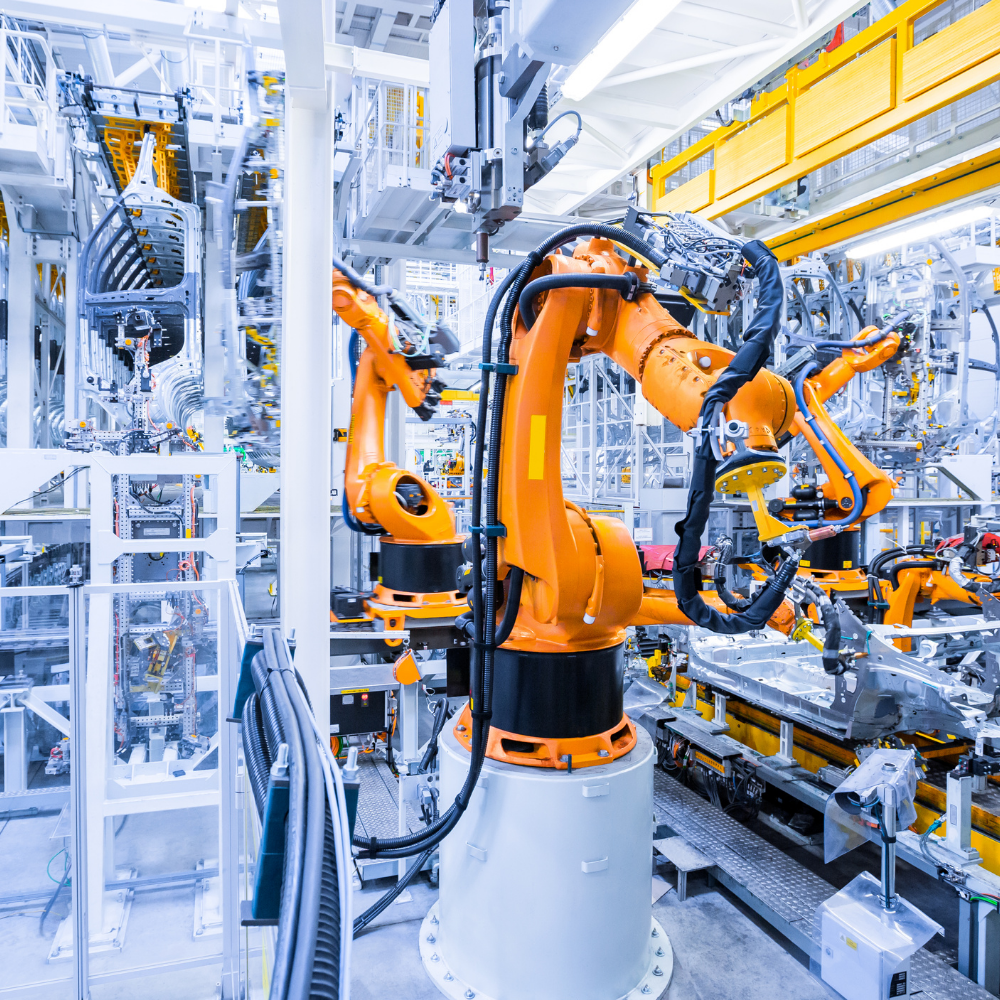
While electrification promises more sustainable growth and a reduced environmental impact, global industry continues to rely strongly on fossil fuels, primarily due to their cost advantage over electricity and the pre-existing fossil fuel reliant production processes in place. Low margins and lengthy investment cycles add to the industrial de-carbonisation challenge.

The outlook for the global economy has improved since the previous quarter’s Global Scenarios Service report and a soft landing is in prospect. While we anticipate a period of only steady and unspectacular growth ahead, this is no mean feat after the aggressive policy rate hikes of 2022 and 2023.

Our baseline forecast is for world food commodity prices to register an annual decline this year, in aggregate, reducing pressure on food retail prices further downstream. However, we believe the risks to this forecast are overwhelmingly skewed to the upside.

Battery raw materials prices bottomed out last quarter and we think a sustained recovery is looming. Midstream EV battery manufacturing activity has picked up again and inventories have returned to historical levels, suggesting upstream demand for raw materials will also bounce back.

This study shows how the sports activities of public service media supported €4.5 billion of GDP and 57,000 jobs across 31 European countries in 2022. The report also highlights wider economic benefits of public service media sports coverage, such as the way in which it leverages sponsorship income for sports bodies.

Our study highlights how the manufacturing sector’s impact on the UK economy extends far more widely than manufacturing companies themselves.

Millions of people have already been displaced because of environmental shocks, but many aspects of climate migration remain poorly understood. This confusion has led to oversimplified assumptions about its causes and effects – in reality, it’s more complicated and has many nuances.

On behalf of Amazon, Oxford Economics has assessed the impact of a scenario in which federal agencies can claim credit for purchases made with small and disadvantaged businesses across all online marketplaces.

Last week’s Budget highlighted the flaws at the heart of the UK’s dysfunctional fiscal policy, particularly its poorly-designed fiscal rules. We think reforming these rules would help to cut government debt, provide more support to growth, and reduce the scale of austerity that the next parliament will be forced into.

The UK Budget was a damp squib of small-scale measures that will do little to change the economic or political outlook, in our view. Chancellor Jeremy Hunt implemented a 2p cut in the rates of employees’ and self-employed national insurance contributions, along with another freeze in fuel duty. These measures will be partially offset by other tax raising measures. The net loosening of policy will provide only a modest boost to our growth forecasts for 2024 and 2025, while subsequent tax rises will drag on GDP further out.

A new report by Oxford Economics sheds light on the potential costs of restricting competition in the provision of 5G network equipment in Germany. The study models the consequences for investment costs, rollout delays, and long-term productivity losses to the German economy.

The life sciences industry makes a major contribution to the UK economy. One in every 121 employed people in the UK works in the sector, which in 2023 contributed over £13 billion to the national economy.

We forecast UK GDP growth will average 1.5% a year over the medium-term. Though strong inward migration will continue to provide support, the UK’s ageing population means the economy must rely less on increasing labour supply as a growth driver and more on productivity gains. We’re optimistic that it can improve productivity growth, but it’s not guaranteed.

This study investigates how Spain’s ageing workforce should be seen as an antidote to financial shocks and an ingredient for future economic success.

Diageo commissioned Oxford Economics to produce an assessment of its economic impact across Europe in 2022. This illustrated the company’s large economic footprint, which supported a a significant number of jobs throughout its value chain.

marine industry makes a major contribution to the UK economy, supporting both economic activity and employment, and is also economically important for the role it plays in boosting connectivity, bringing trade, tourism, and energy to the UK.

Research Briefing | Jan 29, 2024

Global Scenarios Service: Middle East Escalation

Global growth prospects for the year ahead remain weak. We continue to see a prolonged period of steady and unspectacular growth over the coming quarters, despite a slight upward revision to our baseline forecast in the period since our previous Global Scenarios Service report.

Risks to global growth lie to the downside. Recent Global Risk Surveys suggest that businesses are particularly concerned by the potential fall-out from geopolitical tensions, both in the Middle East and between China and Taiwan, and the risk that interest rates stay higher for longer.

Our latest baseline forecast is for world GDP growth of only 2.0% in 2024 and 2.6% in 2025.

This Quarters risk scenarios:

  • Middle East Escalation – Global growth falters as energy supply disruption drives oil prices to $150pb, stock markets weaken, and policy rates rise further amid higher near-term inflation.
  • Increased China-Taiwan tensions – Tensions weigh persistently on the global economy as Taiwan and its allies raise trade and technological barriers against China and investor sentiment worsens amid conflict fears.
  • Higher for longer interest rates – A protracted period of high interest rates weighs on stock markets and house prices, resulting in tighter credit conditions and several years of sub-par growth.
  • Excess savings run-down – Early monetary policy loosening fuels an unwind of household savings built up during the pandemic, resulting in a more robust consumer-led recovery.

To find out more, fill in the form to download the executive summary of this quarter’s Global Scenarios report.


Read more

Research Briefing | Jan 29, 2024

Global Scenarios Service: Middle East Escalation

Global growth prospects for the year ahead remain weak. We continue to see a prolonged period of steady and unspectacular growth over the coming quarters, despite a slight upward revision to our baseline forecast in the period since our previous Global Scenarios Service report.

Risks to global growth lie to the downside. Recent Global Risk Surveys suggest that businesses are particularly concerned by the potential fall-out from geopolitical tensions, both in the Middle East and between China and Taiwan, and the risk that interest rates stay higher for longer.

Our latest baseline forecast is for world GDP growth of only 2.0% in 2024 and 2.6% in 2025.

This Quarters risk scenarios:

  • Middle East Escalation – Global growth falters as energy supply disruption drives oil prices to $150pb, stock markets weaken, and policy rates rise further amid higher near-term inflation.
  • Increased China-Taiwan tensions – Tensions weigh persistently on the global economy as Taiwan and its allies raise trade and technological barriers against China and investor sentiment worsens amid conflict fears.
  • Higher for longer interest rates – A protracted period of high interest rates weighs on stock markets and house prices, resulting in tighter credit conditions and several years of sub-par growth.
  • Excess savings run-down – Early monetary policy loosening fuels an unwind of household savings built up during the pandemic, resulting in a more robust consumer-led recovery.

To find out more, fill in the form to download the executive summary of this quarter’s Global Scenarios report.

Read more

The supply chain disruptions triggered by the coronavirus pandemic, the blockade of the Suez Canal, and Russia’s invasion of Ukraine were historically unique for Germany’s construction sector. Our research showed how these supply chain disruptions affected construction companies in various ways and identified strategies to help overcome them.