OE Logo

It was fantastic to welcome our esteemed clients and guests to our economic forecasting conference in Sydney, Melbourne and online.

The RBA has changed its policy rate for the first time since November 2023, cutting the cash rate by 25 basis points to 4.1%.

We’ve lowered our 2025 GDP growth forecast for Australia by 0.1ppt to 1.9% due to a weaker outlook for near-term population growth.

Headline engineering construction work done rose 6.6% year-on-year to $34.4bn over the September 2024 quarter, driven by strong growth in electricity and water activity.

The latest Property Council data confirms all the major office markets remain oversupplied, with the suburban markets generally in a worse position than the CBDs. 

The Q4 CPI data provoked a sharp reaction in markets, with the probability of a cash rate cut in February now priced in at 95%.

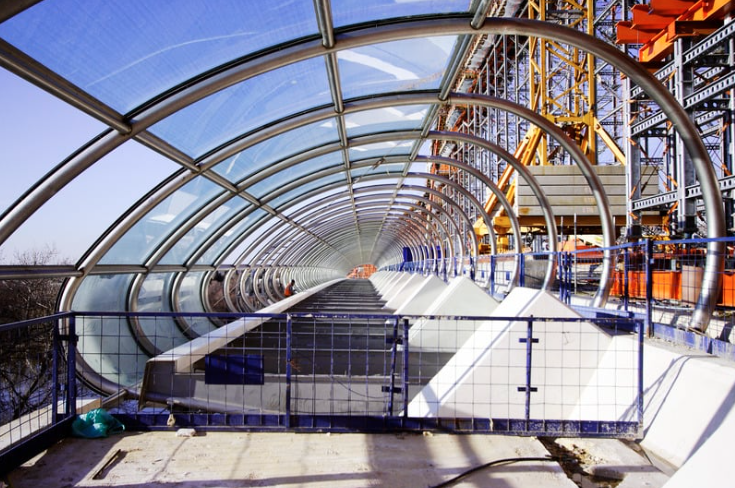
The construction industry is a critical sector of Australia’s economy, literally shaping the homes, workplaces, and infrastructure that define our cities and communities.

The solid rise in the trade balance in November was largely driven by stronger export values.

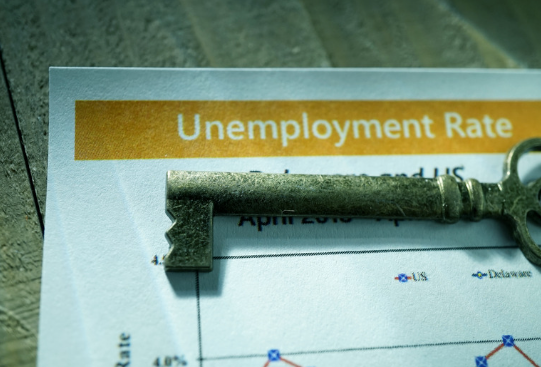
The rise in the unemployment rate in December does little to change the fact that the labour market is incredibly tight.

CPI inflation was weak once again in Q4, with the headline measure increasing by just 0.2% q/q. Inflation has now slowed to 2.4% y/y. The trimmed-mean measure increased by 0.5% q/q in Q4, which is an encouraging step down.

Join us for an insightful session on the evolving landscape of building and construction in Australia. Industry leaders will share insights on emerging growth drivers like data centres and public hospitals, alongside challenges from capacity constraints and cost pressures. Learn how policy shifts, institutional investments, and global resource demand are shaping the future, and discover strategies to position your business for success.

Together, they will provide the latest outlook and in-depth discussions on Australia’s Construction Sector.

Explore the shifting dynamics of the global economy and the critical challenges shaping growth and inflation in 2025 and beyond. As post-pandemic disruptions give way to new uncertainties, we’ll delve into fiscal sustainability, evolving interest rates, and their differentiated impacts on sectors, cities, and markets. Gain actionable insights from expert-led sessions on Australia’s economic outlook and the journey to net zero.

The Australian government is currently developing the 2035 greenhouse gas emissions target as part of its Nationally Determined Contribution (NDC) submission required by the Paris Agreement. Countries who signed onto the Paris Agreement are expected to set a 2035 NDC target before COP30, which is slated to be held next year.

October was another solid month for retail sales, with turnover increasing 0.6% m/m. Sales growth was driven by household goods in October, with retailers reporting a strong response to discounting activity.

We think Australia’s growth prospects are set to improve in 2025. Lower inflation will be supportive of the growth outlook, although there is still only limited scope for policy easing next year.

The road infrastructure sector is facing a serious skills shortage, exacerbated by the impacts of COVID-19, increasing demands on transport projects, and rapid technological advancements.

Uncover the critical role of investment analysis in Australia’s energy sector. Gain insights into cost of capital benchmarks for evaluating diverse energy projects.

Electricity construction activity continues to boom as Australia works towards its target of generating 82% of electricity from renewable sources by 2030.

Office property continues to be challenged globally by structural changes to occupier demand. This has impacted vacancy rates and rents and trigged large falls in capital values, to which Australia is not immune

The Federal government has changed tack on fiscal policy, signalling it will run a much easier stance of policy from next financial year.