
OE Logo

Explore climate risk insurance modelling to enhance sustainability and affordability in Australia’s insurance sector amid rising climate challenges.

Oxford Economics Australia undertook analysis forecasting workforce and skills requirements for the finance, technology and business sector out to 2030 as a key input to the Future Skills Organisation’s 2025 Workforce Plan.

Reduced US tariffs are expected to support private sector activity, and we have increased our assumed proportion of total government investment being directed towards civil engineering construction work.

RePORT Labour tight, but purse strings tighter in Australia Economic Outlook Improves Slightly Amid Job Strength and Supportive Exports, But Recovery Remains Uneven

Data insights Tariff pause extended until August, some countries still in limbo Trump Extends Tariff Pause but Signals August 1 Deadline with New Trade Penalties

Oxford Economics Australia delivered an independent economic impact assessment for Uber Eats, quantifying additional revenue for restaurants, GDP contribution, and consumer wellbeing benefits across 67 new regional markets.

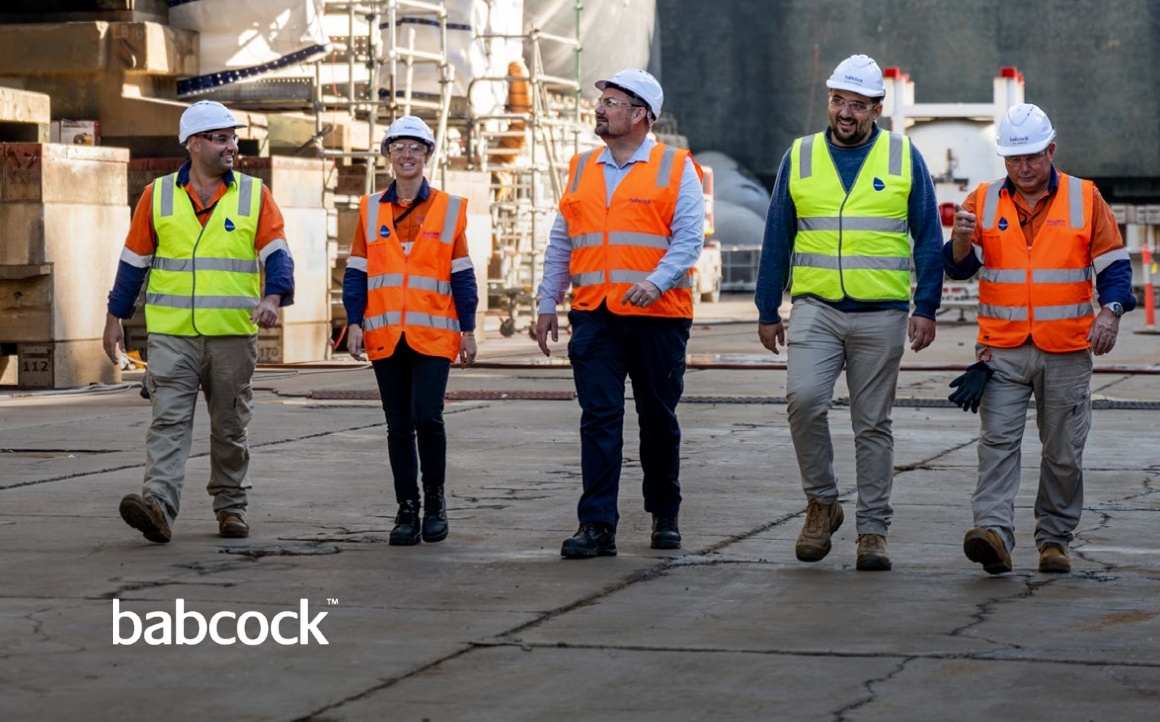
Oxford Economics Australia provided Babcock with a comprehensive, independent analysis quantifying its total GDP, employment, tax, and socio-economic contributions across Defence and Civil sectors, SME engagement, and state-specific impact modelling.

We forecast total construction work done to decline 4.3% in 2025, down from our previous forecast of -3.9%. This downgrade comes mostly as a result of disappointing residential and non-residential approvals over Q4 2025, in addition to higher engineering construction taking place over Q4 2024 resulting in a small growth downgrade due to base effects.

Investment drives economic growth, but in recent years, the Australian economy has been dependent on growth in public investment while growth in private investment has flatlined. Over the second half of the 2020s, this trend is expected to reverse, with rising private investment stirring stronger economic outcomes, but also driving changes in the pattern and volume of construction activity.

Explore the 2025/26 Queensland Budget, focusing on public infrastructure, housing support for first home buyers, and key projects for the 2032 Brisbane Olympics.

Explore the new Monthly Household Spending Indicator (MHSI) in Australia, providing a comprehensive view of household spending patterns beyond traditional retail data.

Discover the key highlights of the 2025/26 NSW Budget, including extended land tax concessions for build-to-rent and funding for major infrastructure developments.

Discover how US-China trade tariffs are reshaping the construction industry. With rates soaring, find out how it affects costs for essential materials.

Oxford Economics Australia modelled Australia’s higher education qualification needs to 2052 for the Federal Department of Education and Training as part of the Australian Universities Accord Taskforce commission.

Discover how rising tariffs are impacting Ontario municipalities’ construction costs. Learn about budget pressures and strategies for effective planning.

Stay informed on multi-storey residential construction trends. Learn about policy impacts, regional differences, and the shift towards medium density housing.

Explore the 2025 IASR on cost escalation factors for renewable energy in Australia. Understand the challenges and solutions for a sustainable energy transition.

Explore the latest insights on Australia’s economic forecast. Discover why growth has stalled and what the future holds for GDP in 2025.

Explore the latest updates on US-China trade relations, including tariff changes and export forecasts. Stay informed on global trade trends and their impacts.

Discover how Australia’s inflation eased in Q1 2025, driven by lower tradable inflation and global oil price declines. Stay informed on economic trends.