


The Australian construction sector is facing a challenging period as costs and capacity constrain activity levels.
The Australian construction sector is facing a challenging period as costs and capacity constrain activity levels.
The run up in interest rates has provided a drag for all asset classes, but other cyclical and structural drivers are becoming more prominent in determining performance.
The Australian economy is enduring a policy-induced slowdown. Entering 2024, both fiscal and monetary policy are at or close to the peak drag they will impose on the economy in this cycle.

We’ve taken stock of Australia’s journey towards net zero and the good news is that emissions are dropping. The bad news is that emissions aren’t dropping fast enough.
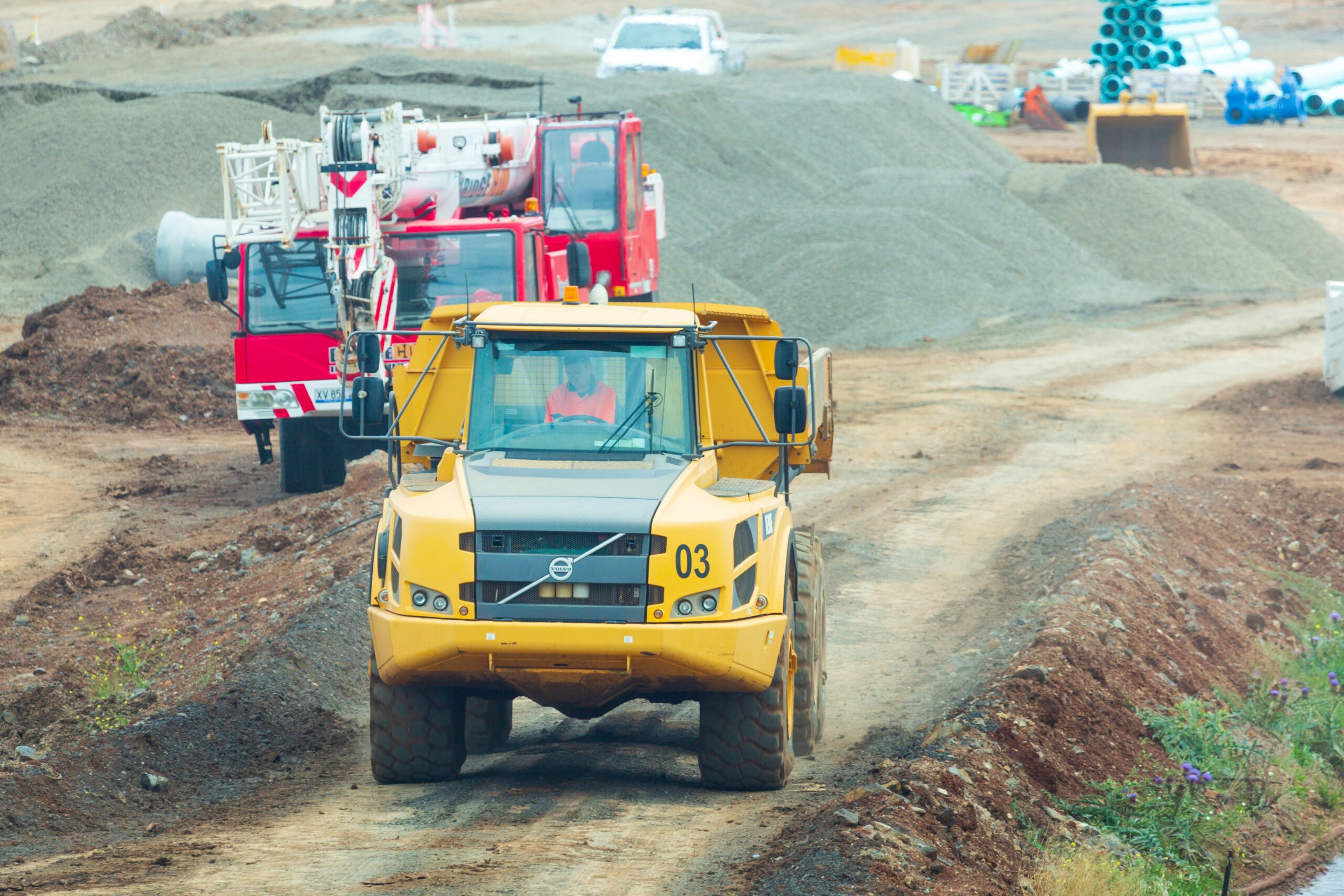
Calendar 2024 marks a turning point in the construction and infrastructure industry in Australia, with total construction work done expected to fall in real terms through the year for the first time since 2020.
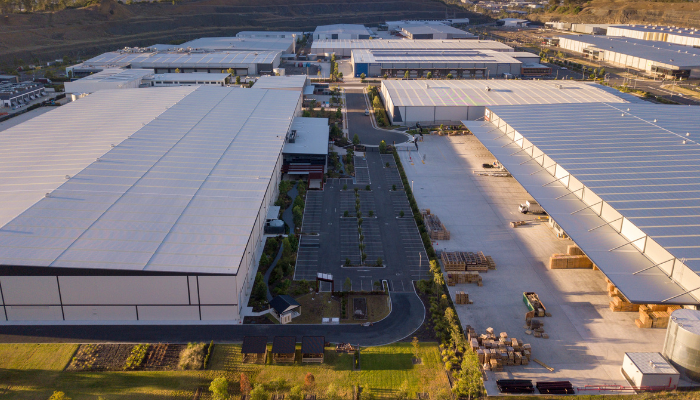
Oxford Economics Australia was engaged by the Property Council of Australia to undertake a study into the economic importance of the industrial and logistics sector in Australia by quantifying the value of goods flowing through industrial assets. Our work estimated that $1.2 trillion worth of goods flowed through industrial assets in FY22.

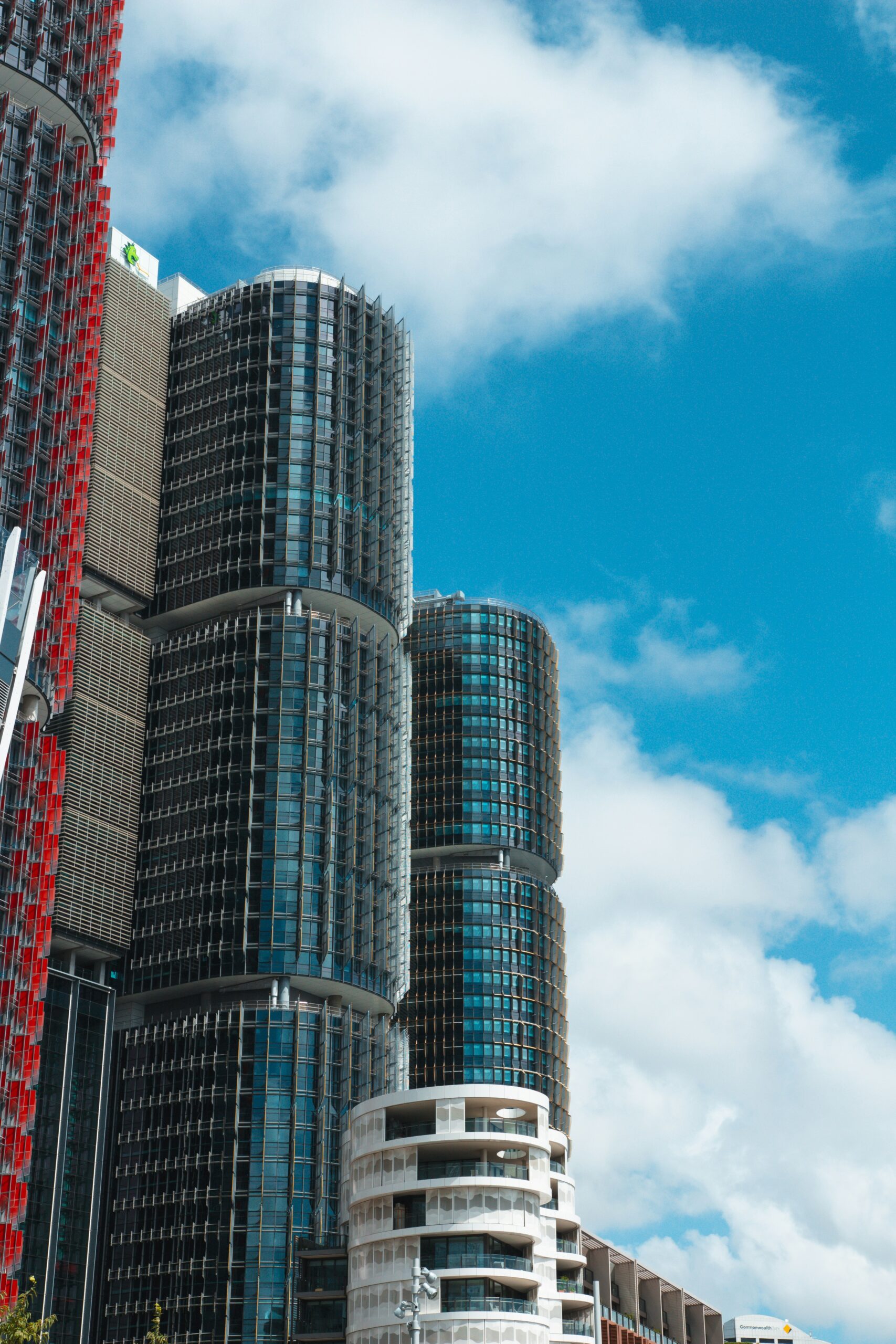
The focus on green office buildings and sustainability is being driven by both government targets to achieve net zero and increasing corporate and investor focus on environmental, social, and corporate governance (ESG) considerations and compliance.

Using alternative and proprietary data, Oxford Economics have developed a unique Multi-Factor Bond Scorecard to help Asset Managers identify more opportunities in fixed income markets. During a recent macro roundtable, Javier Corominas, Director of Global Macro Strategy, explained why his team were maintaining a heavy overweight on NZ Bonds.

We expect that demand for energy transition-related critical minerals will grow significantly in the next decades even in the absence of rapid progress required to achieve net zero.

Engineering Construction in Australian Executive Summary
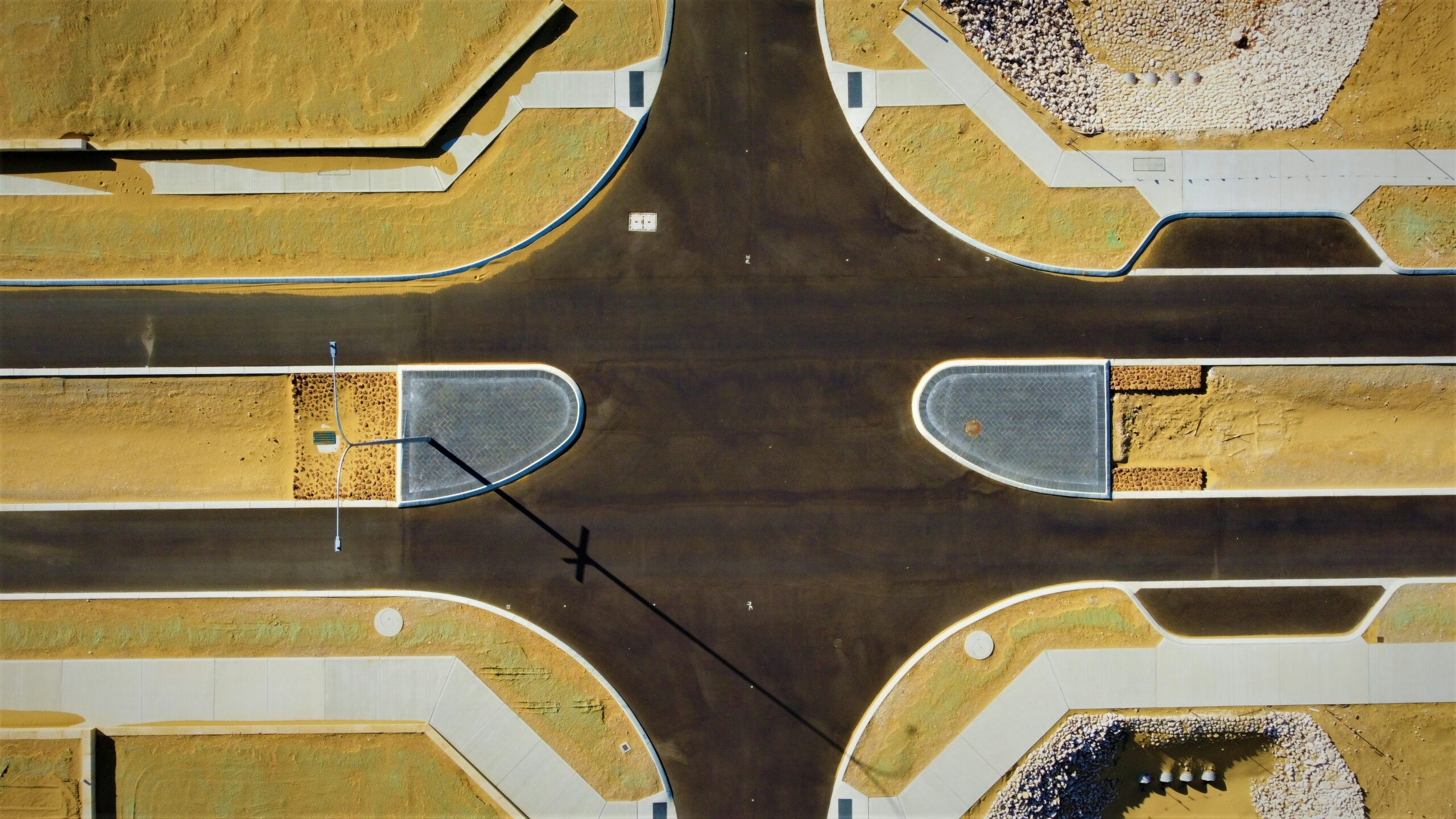
Calendar 2024 marks a turning point in the construction and infrastructure industry in Australia, with total construction work done expected to fall in real terms through the year for the first time since 2020.

Proposing to introduce a New Vehicle Efficiency Standard can hardly be a bad thing – particularly when you’re the last developed country except for Russia to do so

A pipeline of major projects (contract value at or above $50 million) totalling $15.4 billion nationally is expected to break ground in calendar year 2024

Chinese outbound travel is well on the path to recovery. Domestic travel recovered to pre-pandemic levels in 2023 and we expect growth to continue in line with continued consumer demand.

With goods price disinflation now well and truly entrenched, upside risks to the inflation outlook lie with services components. Services inflation peaked at a lower level than goods inflation, but the upswing was
more protracted, with services only starting to decline in y/y terms in Q2 2023.
Australian bond yields have risen over the past 18 months, highly influenced by movements in the US, reflecting more hawkish expectations for policy rates and a higher term premium. As is the case overseas, we think that markets are currently overstating where policy rates will ultimately settle and expect bond rates will come back from their current level in time.

It is anticipated that NOM will total a still elevated 410,000 in FY2024 given continued strength in temporary migration. Further out, it is forecast that NOM will taper back to 250,000 per annum by FY2027.

In October 2023, the CBAM entered its first transitional phase, requiring EU importers to start reporting on their emissions. The CBAM will come into full force in 2026, when importers will be required to purchase and surrender CBAM certificates.
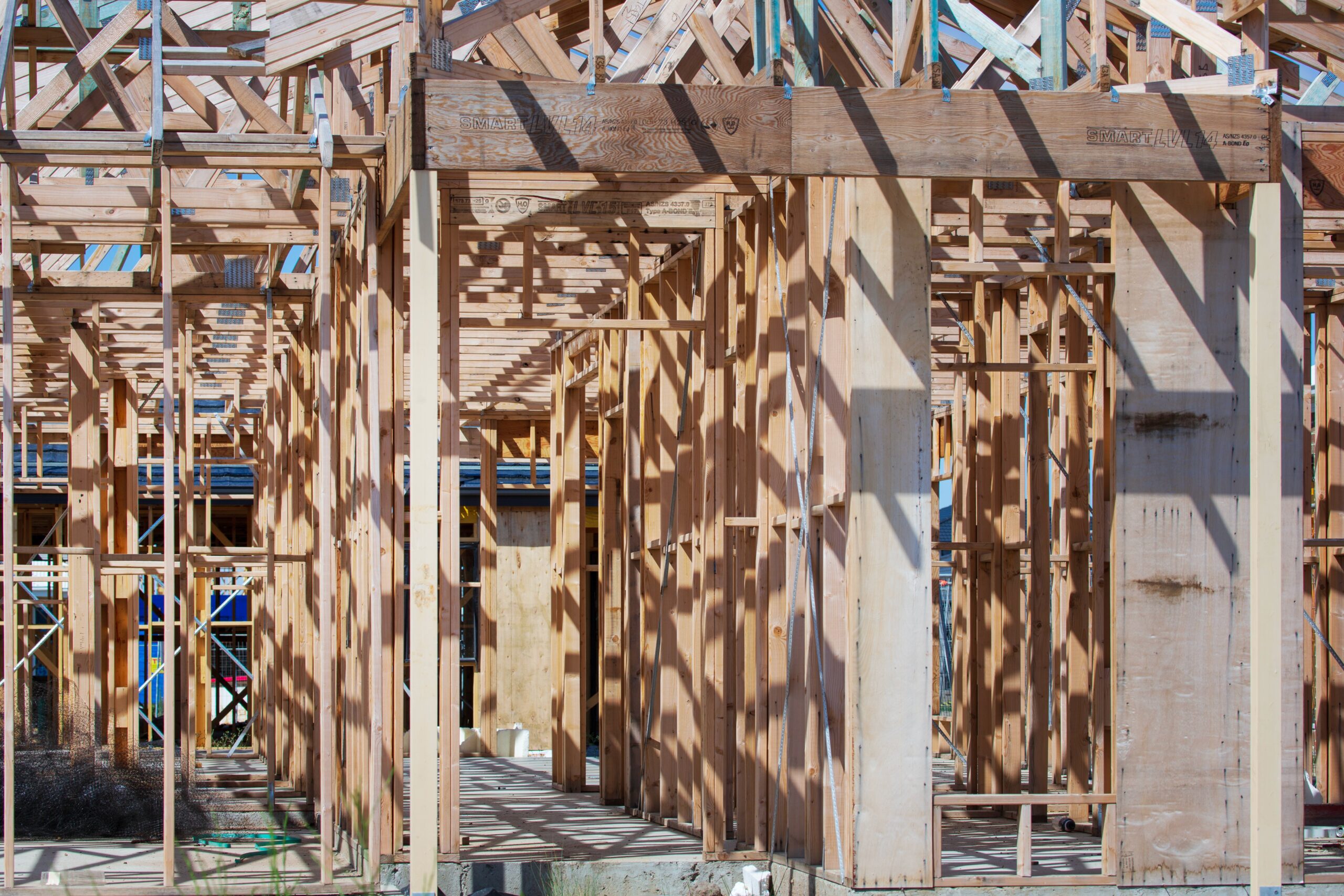
The passing of the previously delayed Housing Australia Future Fund (HAFF) means that all the Albanese government’s announced housing policies are now in place. These policies represent a minimum funding pool of $5.5 billion stretching to the end of the decade, potentially lifting as high as $10 billion if all targets are met and excess fund returns achieved.
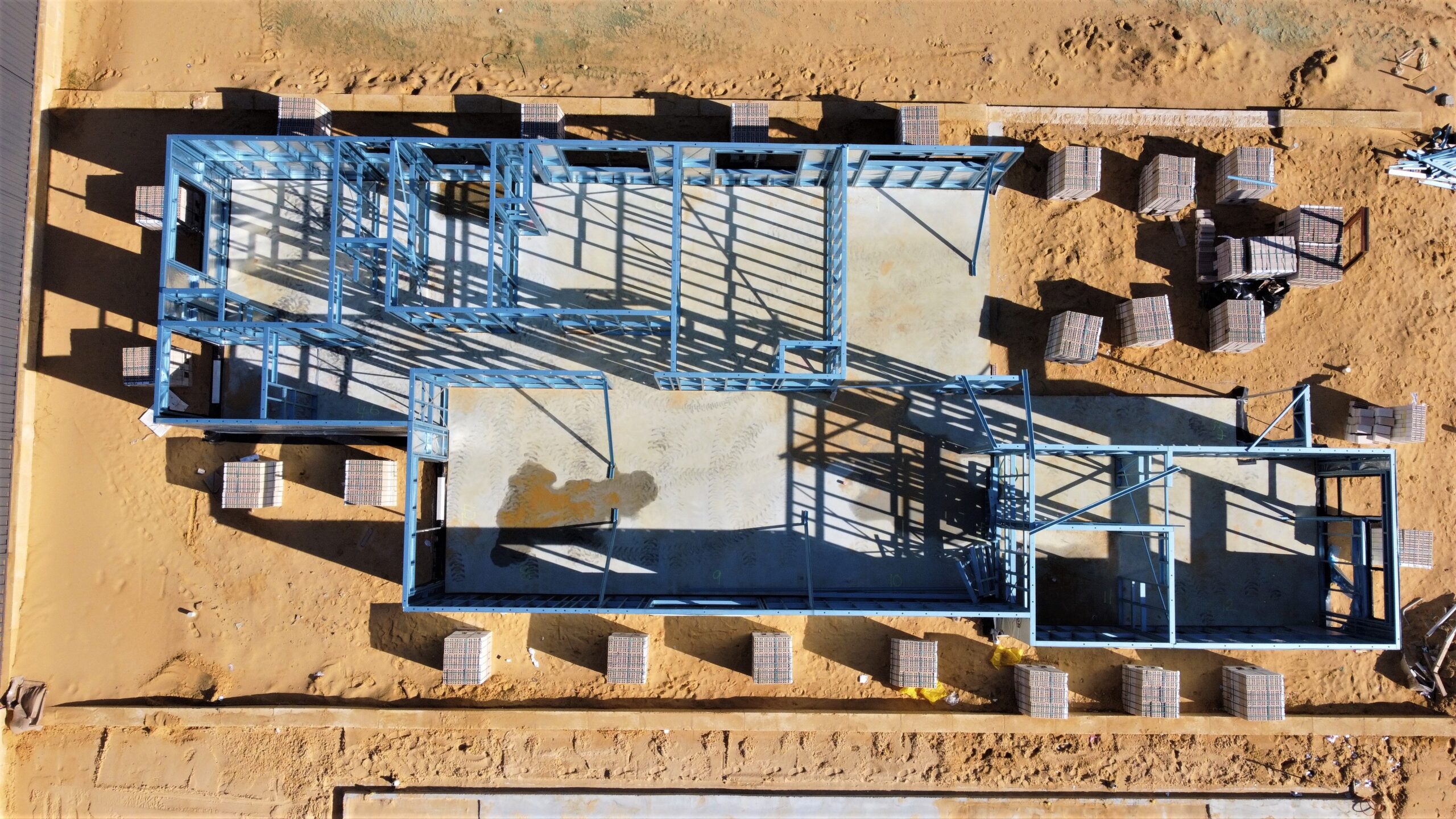
Negative momentum for total building in FY2023 (-8%) is expected to continue in FY2024, with activity sliding a further 11% to $108.4 billion (constant FY2021 prices). The uplift in build costs and a large backlog of work that is proving difficult to draw down are amplifying the demand drag of higher borrowing costs. Delays and builder administrations are further supressing home buyer confidence.