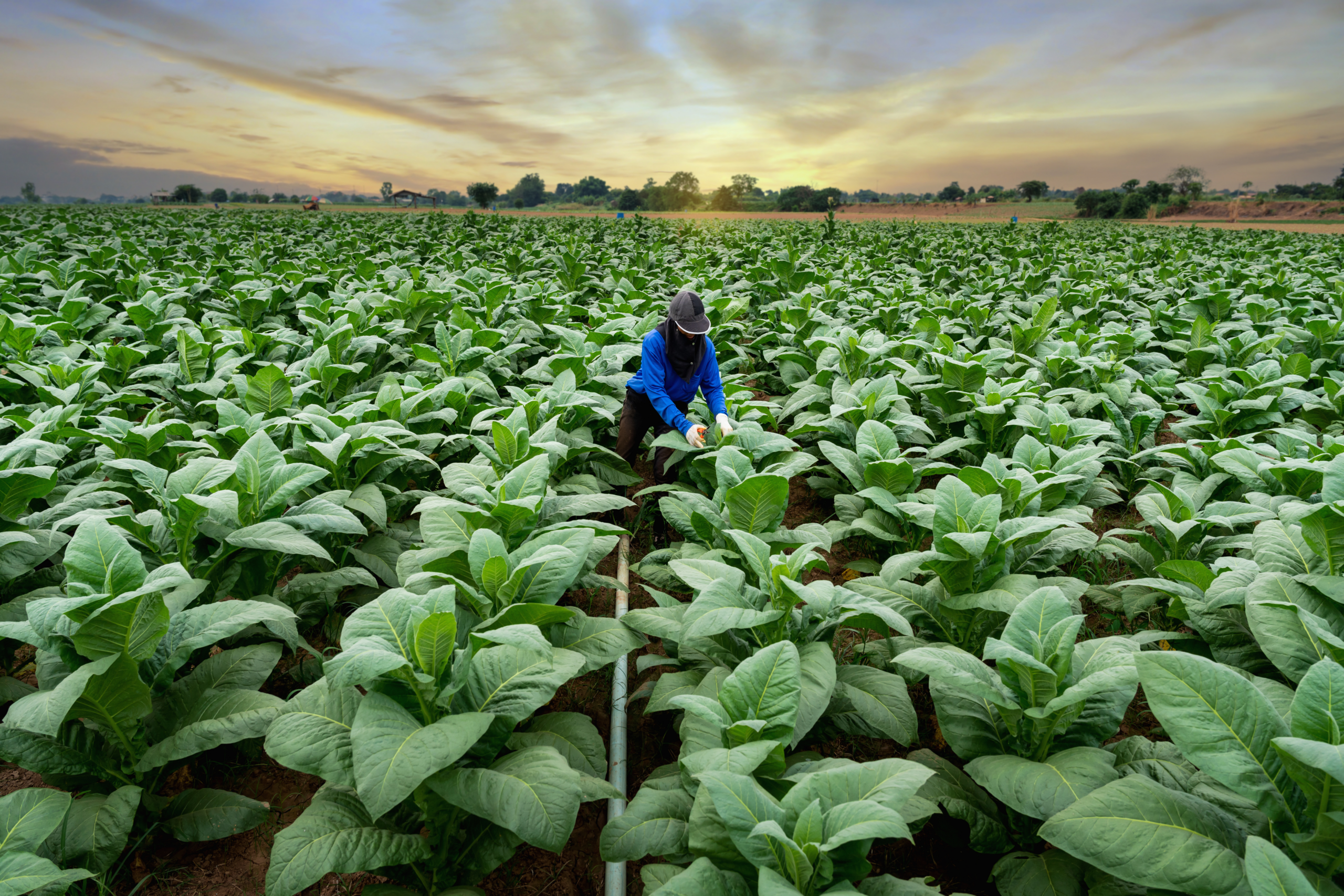
This report, commissioned by Ceylon Tobacco Company PLC (CTC), examines the economic footprint of the legal cigarette industry in Sri Lanka in 2025. The analysis covers the full value chain, from tobacco leaf cultivation and manufacturing to distribution and retail, assessing its contribution to GDP, employment and government tax revenues. It also examines the impact of illicit cigarette trade on the public finances.

Region: UK
The latest HMRC data show that Inheritance tax (IHT) liabilities stood at their highest-ever level in 2023/24, and that the proportion of estates in scope of IHT was at the highest level since the mid-2000s. Our study assesses the implications of reforms to the standard and residence nil-rate bands on IHT liabilities and the proportion of estates liable to IHT.
Commissioned by a group of the UK’s largest private infrastructure investors and operators, this report benchmarks UK investment against G7 and OECD peers, identifies the three barriers that consistently distinguish the UK from higher-investing economies, and models what a sustained rise in business investment would mean for the economy.
As John Armitt argues in the Financial Times, Britain’s infrastructure problem isn’t ambition, it’s delivery. Oxford Economics convened senior executives from across the UK infrastructure and construction sector, in partnership with the French Chamber of Commerce and Société Générale, to discuss what’s really holding delivery back, and what it would take to unlock private capital at scale.
Climate and nature risks are becoming core to EU stress testing requirements, with regulators pushing banks beyond isolated exercises toward integrated, decision-ready frameworks. This article breaks down five key developments — from connecting macro scenarios to real business impacts, to preparing for the EBA’s 2027 stress test — shaping how financial institutions build resilience across Europe.
The Alcohol Duty Review which began in October 2020 has brought significant changes in the taxation of alcoholic beverages in the UK. It allowed for the introduction of new, lower rates for lower strength alcoholic products, the introduction of a draught duty relief and measures to support small producers. This report analyses the implications of these changes since their implementation.