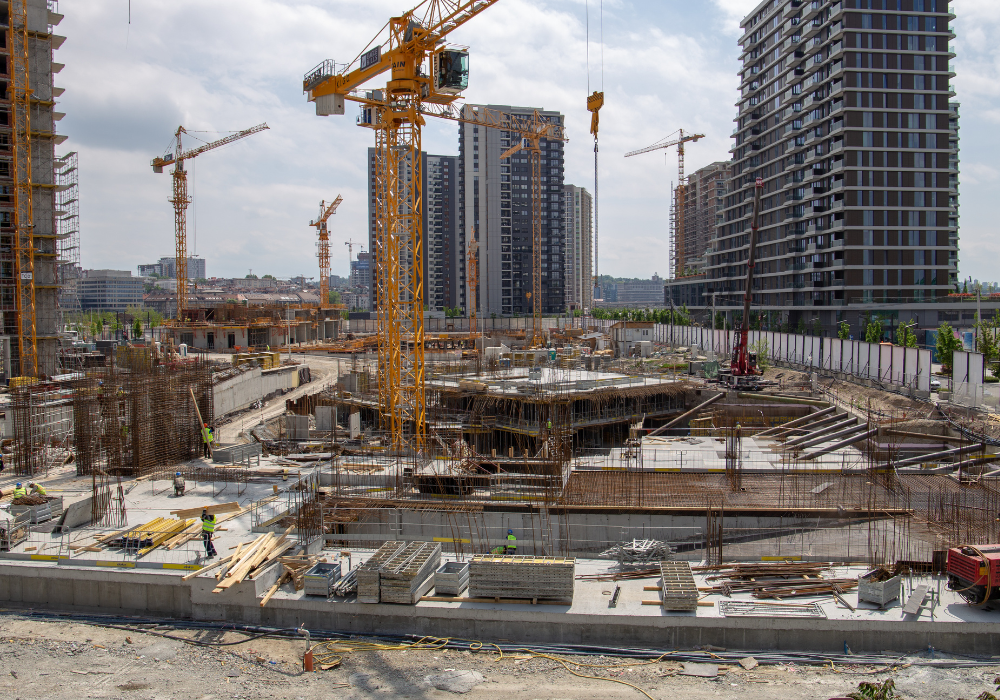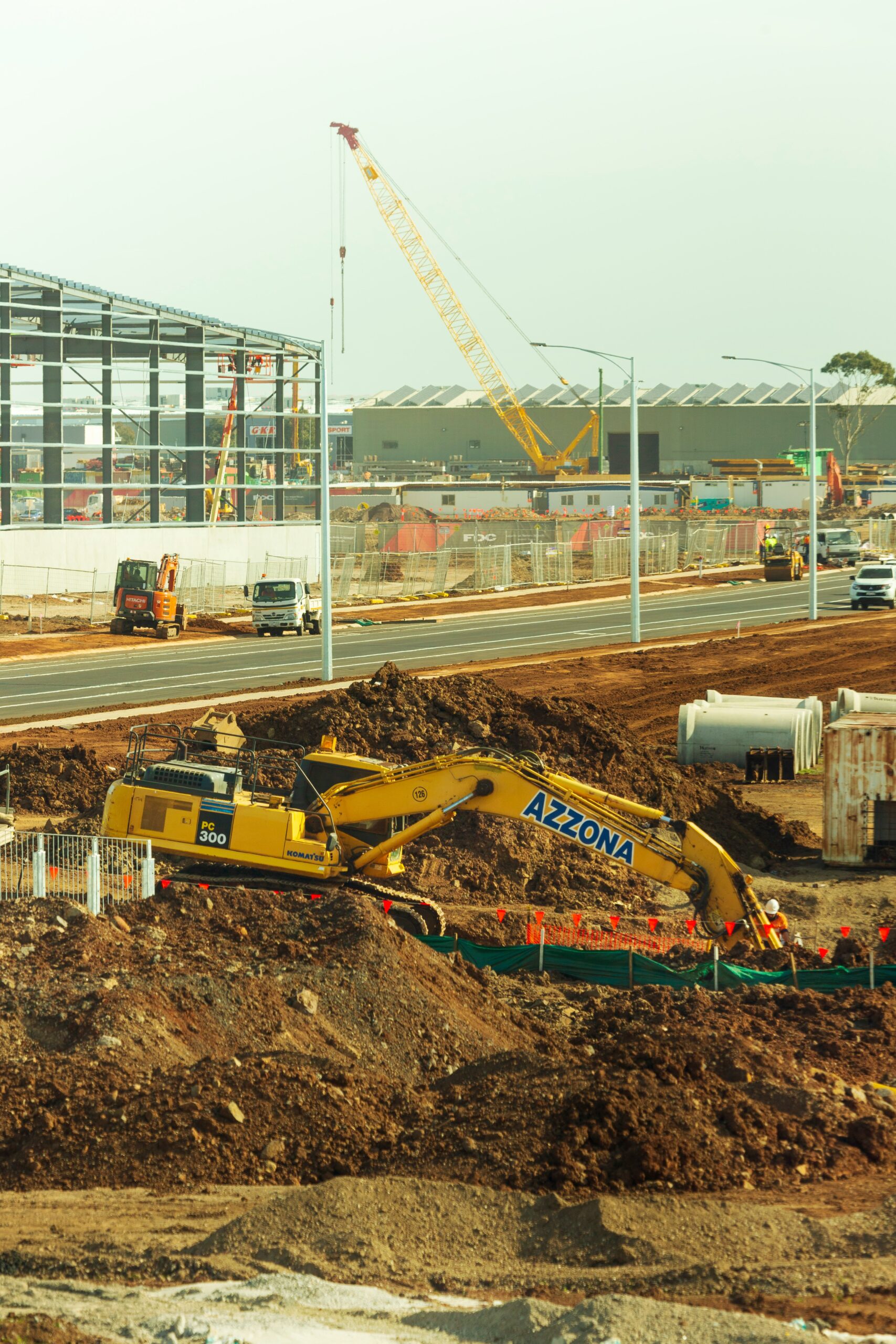

With the current weakness in residential building and key commercial and industrial segments of non-residential building, growth in engineering construction has been a support for the construction industry and – given the multipliers involved – the broader economy. (Engineering construction covers transport, utilities and mining and heavy industry construction.)
Region: Australia
Construction cost escalation has slowed from the unprecedented inflationary spike experienced by the sector in 2022 and 2023. The recent surge in construction costs was primarily driven by supply-side factors; commodity market volatility and the energy cost crisis has shifted up manufacturing and transport costs, compounded by supply-chain disruptions from the lingering impacts of the pandemic.
The 2024-25 federal budget affirmed the forecast changes we made in the April 2024 edition of our Engineering Construction in Australia (ECA) service. We continue to expect publicly funded activity to average $54.1bn over the five years to FY28, compared to an average of $42.1bn over the five years to FY23.
The Budget is more stimulatory than we had anticipated and presents some upside risk to an otherwise modest growth outlook in FY25. We had already bolstered our outlook a little following the redesign of the tax schedule. But the untargeted energy bill relief, expansion of rent assistance and student debt relief will all work to boost household incomes.
Following a long period of stagnation, machinery & equipment investment has experienced strong growth since the start of 2021 (Chart 1). At the end of 2023, real expenditure was around 30% higher than the average over the past decade and had surpassed the previous peak recorded during the mining investment boom in the early 2010’s.
The Australian Government’s review of Australia’s it’s higher education system could not have come at a more opportune time. Lacklustre productivity growth, tight labour market conditions and skills shortages are major concerns for Australian businesses right now and are also factors increasing demands on Australia’s tertiary education system.
Our new ResRadar service helps subscribers understand the fundamentals driving residential markets and their impacts. The enhanced dashboard, timely reports, and associated databanks help make better investment decisions by examining the point in the residential market in each city and further movement, as well as identifying differences in the cycles across cities with high granularity.
This report provides the results of our economic modelling of TikTok’s economic contribution to the Australian economy, as well as the findings of survey research into TikTok’s users and Australian businesses. It looks at the real world impacts users report as well as the diversity of TikTok’s online communities.
The combined capital city median all-dwelling price reached $946,000 in December quarter 2023 (+7% y/y). Resilient demand (backed by strong population growth), alongside low listing inventory helped generate competition and price growth. Momentum has been sustained into 2024, with 1.5% q/q growth estimated for Q1.