
OE Logo

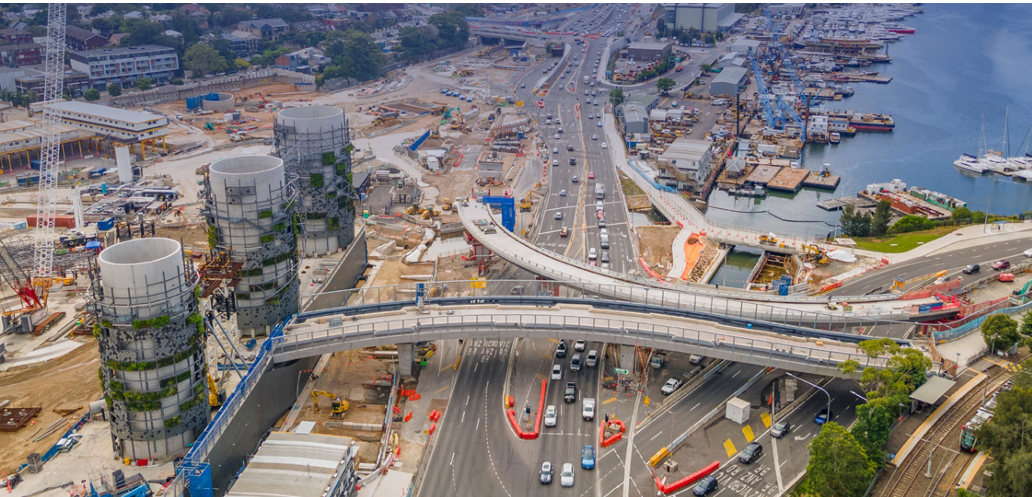
Australia’s infrastructure landscape is shifting fast, driven by new investment trends, emerging asset classes and growing capacity constraints. This outlook explores the major changes ahead and what industry and government must do to navigate the decade effectively.

Oxford Economics partnered with a Major Australian Bank to develop Australia-specific climate stress-testing scenarios, linking data-driven modelling to strategic resilience.

Wage growth held steady in Q3, reinforcing a still-tight labour market. But with conditions set to soften, we expect unemployment to rise and wage pressures to ease through next year.

To support Australia’s planning for cloud and AI growth, Oxford Economics worked with the market operator to assess future electricity demand from data centres. By combining industry data with insights from network providers, the analysis shows that current connection enquiries significantly overstate the grid demand likely to materialise.

Australia’s outlook is improving as household spending strengthens and property prices surge, though inflation keeps the RBA cautious.

Oxford Economics partnered with a Major Australian Bank to develop Australia-specific climate stress-testing scenarios, linking data-driven modelling to strategic resilience.

This study demonstrates the economic importance of digital infrastructure by providing a comprehensive analysis of how high-capacity data connectivity underpins Australia’s future prosperity.
We analyse how Telstra InfraCo’s Aura Network -a $1.6 billion nation-building fibre investment supports productivity, innovation, and competitiveness across Australia’s digital economy, while strengthening the nation’s position within the Asia-Pacific region.

Green building

We’ll unpack the full journey from selecting credible climate scenarios and securing Board approval, to quantifying business impacts and communicating outcomes effectively to investors, regulators, and other stakeholders.

Whether you’re establishing your scenario framework or strengthening an existing one, this series will equip you with the tools, clarity, and confidence to integrate climate scenarios into both sustainability reporting and long-term strategic decision-making.

Trade disruptions spread across autos and pharma sectors, with EU tariff exemptions giving Europe a competitive edge amid global slowdown.

Australia’s data centre boom: navigating growth, capacity, and AI impact
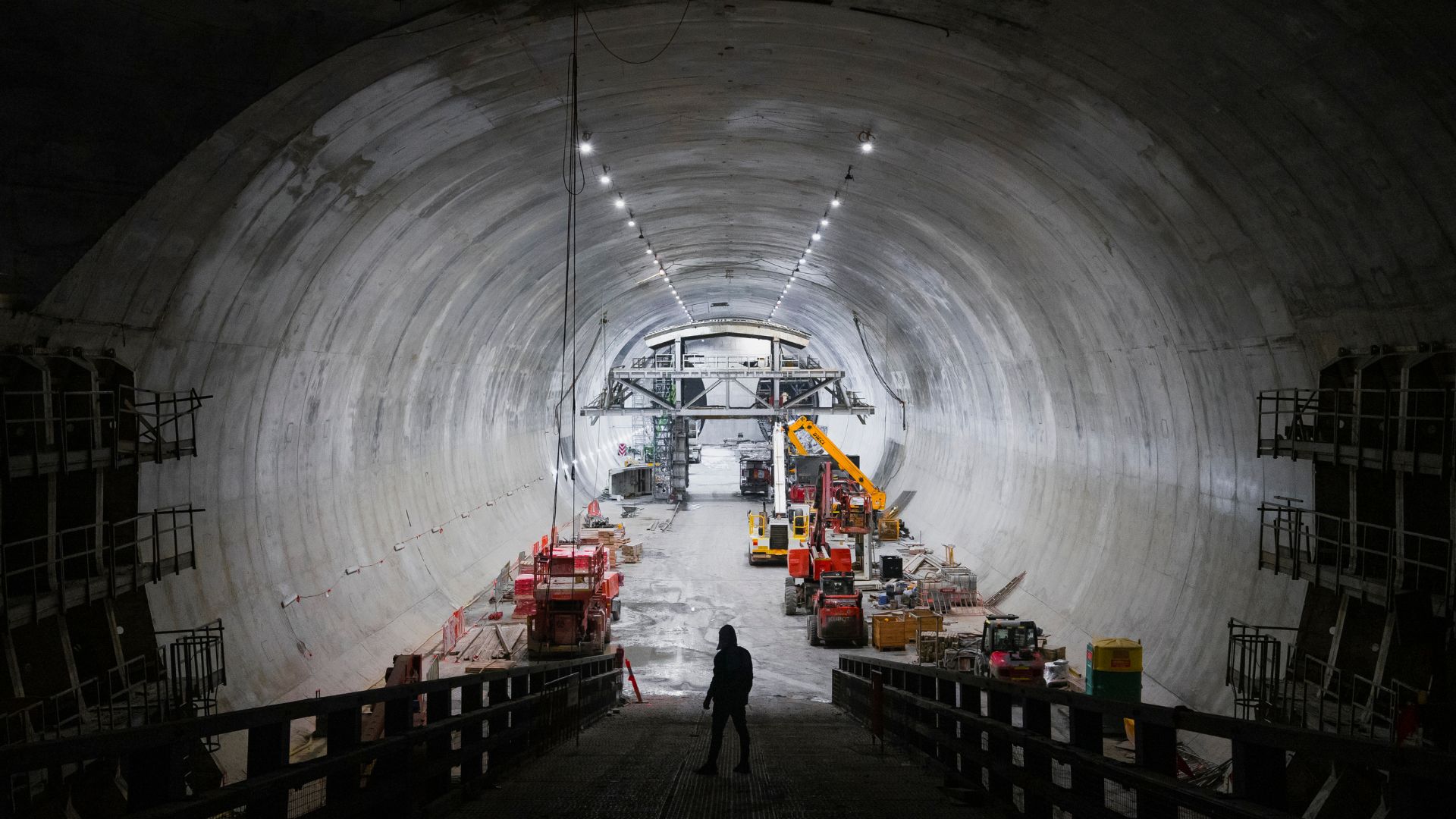
Australia’s construction sector is being reshaped by the explosive rise of artificial intelligence and the surging demand for data centres. As investors and policymakers grapple with capacity, supply, and infrastructure challenges, this round table brings together Alex Hooper, Timothy Hibbert, and Dr Nicholas Fearnley to unpack the forces driving this transformation.

Australia is poised to become a global leader in green hydrogen, leveraging renewables and innovation to unlock major export and investment potential.

Australia’s unemployment hit 4.5% in September, the highest in nearly four years. As inflation stays elevated, the RBA faces pressure to cut rates in November.

Australia’s economy has strengthened in recent months. Alongside a rise in consumer confidence, household spending momentum has continued in July and August after a strong Q2.

Australia’s 2035 emission targets chart a strong path to net zero but overlook the physical risks of climate change. True resilience means treating climate action not just as an investment, but as insurance for Australia’s economy and way of life.

Australia last experienced a boom in water-related infrastructure construction in the 2000s and early 2010s, following two decades of underinvestment in the 1980s and 1990s.

The report highlights the significant economic and sovereign capability benefits of Australia’s first end-to-end mRNA manufacturing facility in Clayton, Victoria.

Australia’s population is expected to continue steadily increasing, particularly in key cities like Sydney, Melbourne, Perth and Brisbane.

Australia’s construction sector is entering a defining decade. At the Australian Construction Outlook Conference 2025, Oxford Economics Australia explored the transformative trends shaping growth to 2030 – from AI-driven data centers and electrification projects to government-funded infrastructure and rising demand for social and retirement living.

Economic Outlook Conference 2025 brought together business leaders and policymakers in Sydney & Melbourne where Oxford Economics Australia shared key insights on tariffs, investment, productivity, and sectoral trends shaping the nation’s economic outlook.

Blog Common Australian Sustainability Reporting Standards (ASRS) pitfalls and how to avoid them