
OE Logo

In this interactive webinar, our economics experts from around the world will cover our latest insights on the impact of AI on economic growth and labour markets, as well as our proprietary upside and downside AI scenarios. We will also take extensive questions on AI from the audience, covering top-of-mind issues for participants.

The past 12 months have been defined by unexpected resilience amid intense trade turmoil. But what will the second year of the US’s protectionist pivot look like? And how will the rest of the world respond? Join Oxford Economics’ Head of Global Trade, Harry Murphy Cruise, to unpack the 2026 trade outlook. The webinar will explore:

– A recap of current and emerging trade trends.
– A deep dive into tariff policy and our expectations for what lies ahead.
– The trade outlook across countries, regions and industries.

We’re raising our forecast for light vehicle sales to 15.7mn next year to reflect improving affordability, the new-car loan interest tax break, and the continued spending strength of high-income households.

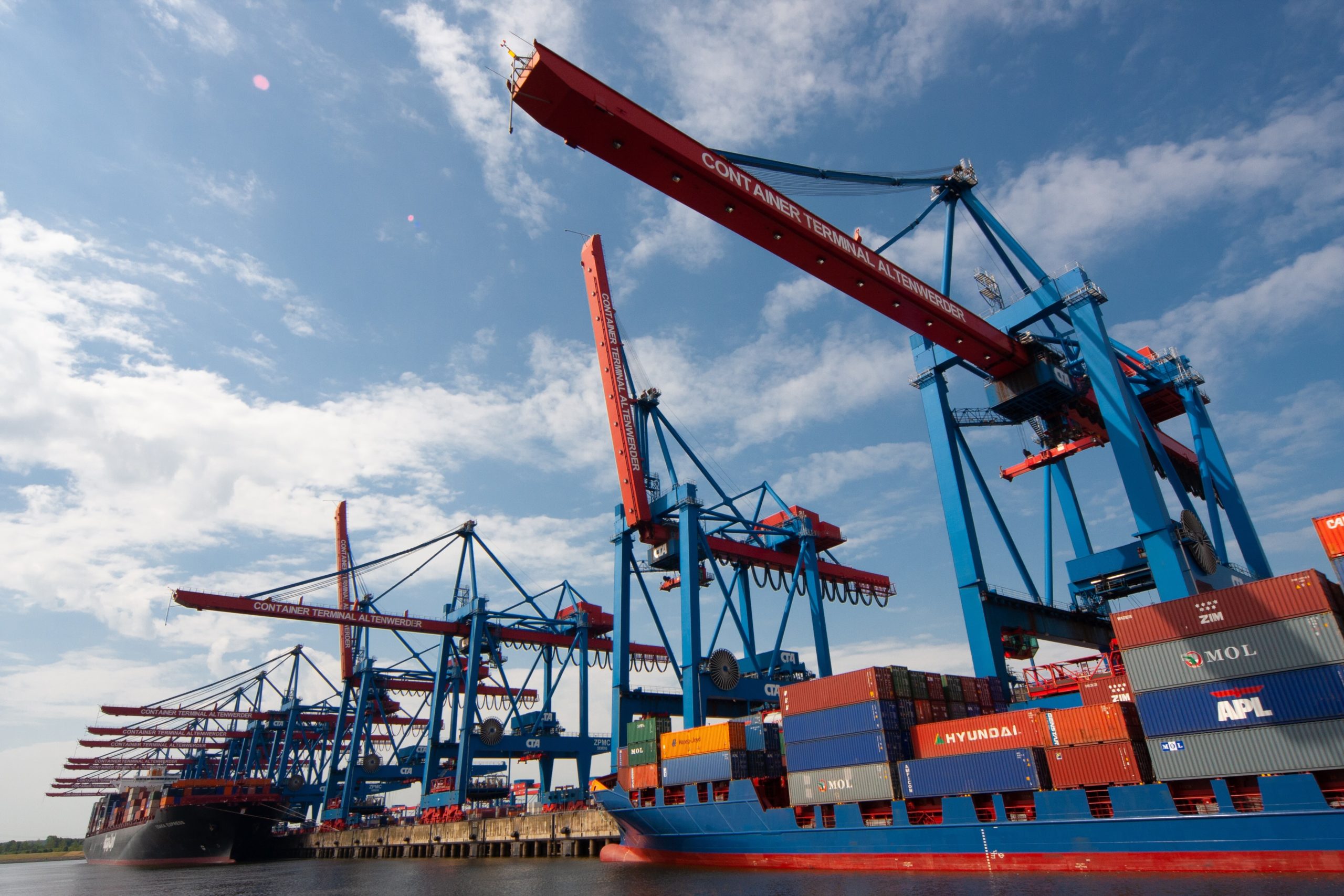
Business doing exports and imports globally

Global trade will be caught in a tug-of-war between tariffs and AI, capping growth at 1.2% in 2026.

Our supply chain stress index moderated in September as import volumes continue to decline following front loading activity earlier this year. High frequency data shows that this trend has kept up in Q4, meaning port congestion is unlikely to become a concern.

Global tradeflows remain under pressure despite easing tariff tensions. Recent US–China agreements reduce select import taxes and support China’s 2026 outlook, yet US imports continue to fall and supply chains pivot toward Asia and Europe. Containerised trade is set to expand, while bulk shipments soften alongside weaker industrial demand.

Box on a supply chain bely

The reversal of tariff-related front-loading pressures continues to offer relief to our supply-chain stress index.

The US economy will enjoy rising demand in 2026 and 2027, boosted by the recent deficit financed federal tax and spending legislation.

Airplane for defence

Our modelling suggests the main beneficiaries of the spending will be a highly concentrated subset of capital-intensive subsectors, mainly in transport and electronics.

Uber Ride-hailing: A platform for women's economic participation in Mexico and Brazil

In collaboration with Uber, Oxford Economics conducted an online survey of 7,000 frequent ride-hailers in Brazil and Mexico to explore the influence of ride-hailing platforms on women’s economic participation in that region.

Ride-hailing services are reshaping the way women move, work, and participate in society across Latin America.