OE Logo

The world’s most comprehensive model for economic forecasting and scenario analysis.

Assess the impacts of climate change and mitigation policies for more than 100 sectors. 

Today, Asia sits second in global data centre market share, behind North America, and the growth in capacity is set to expand by double digits over the next few years.

Industry scenario modelling for stress testing, scenario planning, and climate analysis.

In this interactive webinar, our economics experts from around the world will cover our latest insights on the impact of AI on economic growth and labour markets, as well as our proprietary upside and downside AI scenarios. We will also take extensive questions on AI from the audience, covering top-of-mind issues for participants.

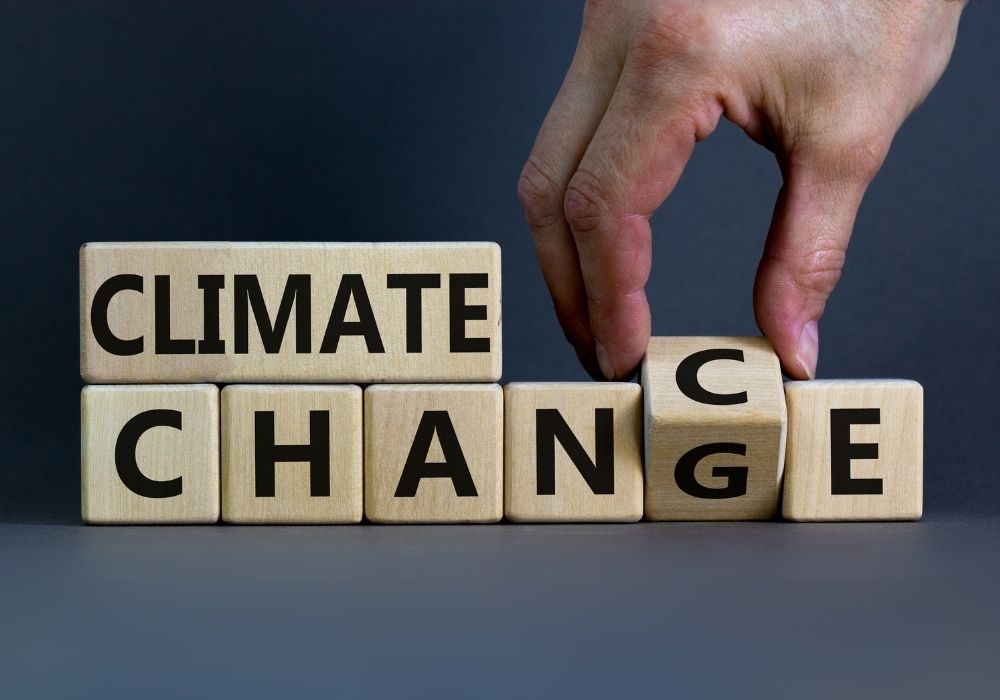
Climate change symbol. Hand flips a cube and changes words 'climate change' to 'climate chance'

As progress on climate change mitigation continues and low-carbon technologies are heading into 2026 with strong momentum, significant headwinds await.

These scenarios help businesses understand the trade-offs of climate change mitigation. This webinar will present the addition of two short-term climate scenarios to the service, with special emphasis on the acute physical risk scenario, ‘Disasters and Policy Stagnation’.

Momentum in the economy is building as inflation rears its head again – leaving the RBA in a sticky predicament. Globally, growth is wedged between the forces of AI and tariffs. The tech boom is winning the tug-of-war for now – but protectionism remains a formidable drag on global trade.

We modelled how advanced-economy leadership in innovation and finance could accelerate a global low-carbon transition.

The changing energy order

To understand how the G20 countries are progressing in the energy transition, Oxford Economics PwC collaborated with PwC to create the Changing Energy Order Index. The index combines data from international economic organizations like the OECD and World Bank with with Oxford’s own forecasts to evaluate each country’s progress across five key pillars.

Oxford Economics partnered with a Major Australian Bank to develop Australia-specific climate stress-testing scenarios, linking data-driven modelling to strategic resilience.

Green building

We’ll unpack the full journey from selecting credible climate scenarios and securing Board approval, to quantifying business impacts and communicating outcomes effectively to investors, regulators, and other stakeholders.

Whether you’re establishing your scenario framework or strengthening an existing one, this series will equip you with the tools, clarity, and confidence to integrate climate scenarios into both sustainability reporting and long-term strategic decision-making.

EY Global EHS Maturity Study

Oxford Economics, in collaboration with EY, conducted a survey to explore how strategic Environment, Health, and Safety (EHS) investments provide a competitive edge in today’s volatile world.

Gathering insights from 526 global EHS professionals and C-suite leaders, our research reveals that organizations investing in EHS report significant boosts in reputation, resilience, and operational efficiency. Those furthest ahead, the EHS leaders, align EHS with broader business strategy resulting in improved performance. Notably, 81% of EHS leaders say their initiatives have led to increased commercial value. The study offers a roadmap for embedding EHS initiatives to unlock new levels of organizational resilience and efficiency.

Australia’s 2035 emission targets chart a strong path to net zero but overlook the physical risks of climate change. True resilience means treating climate action not just as an investment, but as insurance for Australia’s economy and way of life.

Credibility Gap in Climate Policy

The Global Climate Service quantifies the macroeconomic impacts of six climate scenarios against a stated policies baseline. These scenarios help businesses understand the implications of climate change and trade-offs of climate mitigation. This webinar will discuss our new high transition- and high physical risk scenario, ‘Too Little Too Late’. In this scenario, climate change accelerates and policymakers react too late to significantly bring down temperatures. Warming is well above 1.5 °C by 2060. The world fails to avoid physical risks and rising carbon prices in a carbon-intensive economy lead to persistent inflationary pressures.

Nordics flags

Webinar Nordics: Steady growth despite new trade barriers

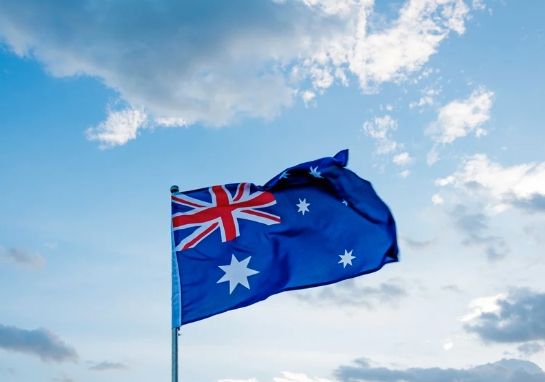
Economic Outlook Conference 2025 brought together business leaders and policymakers in Sydney & Melbourne where Oxford Economics Australia shared key insights on tariffs, investment, productivity, and sectoral trends shaping the nation’s economic outlook.

Blog Common Australian Sustainability Reporting Standards (ASRS) pitfalls and how to avoid them

Australia’s climate conversation is shifting. With a more ambitious 2035 target on the horizon, the focus is moving from whether companies should act on emissions to how quickly and strategically they can do it.

Explore climate risk insurance modelling to enhance sustainability and affordability in Australia’s insurance sector amid rising climate challenges.