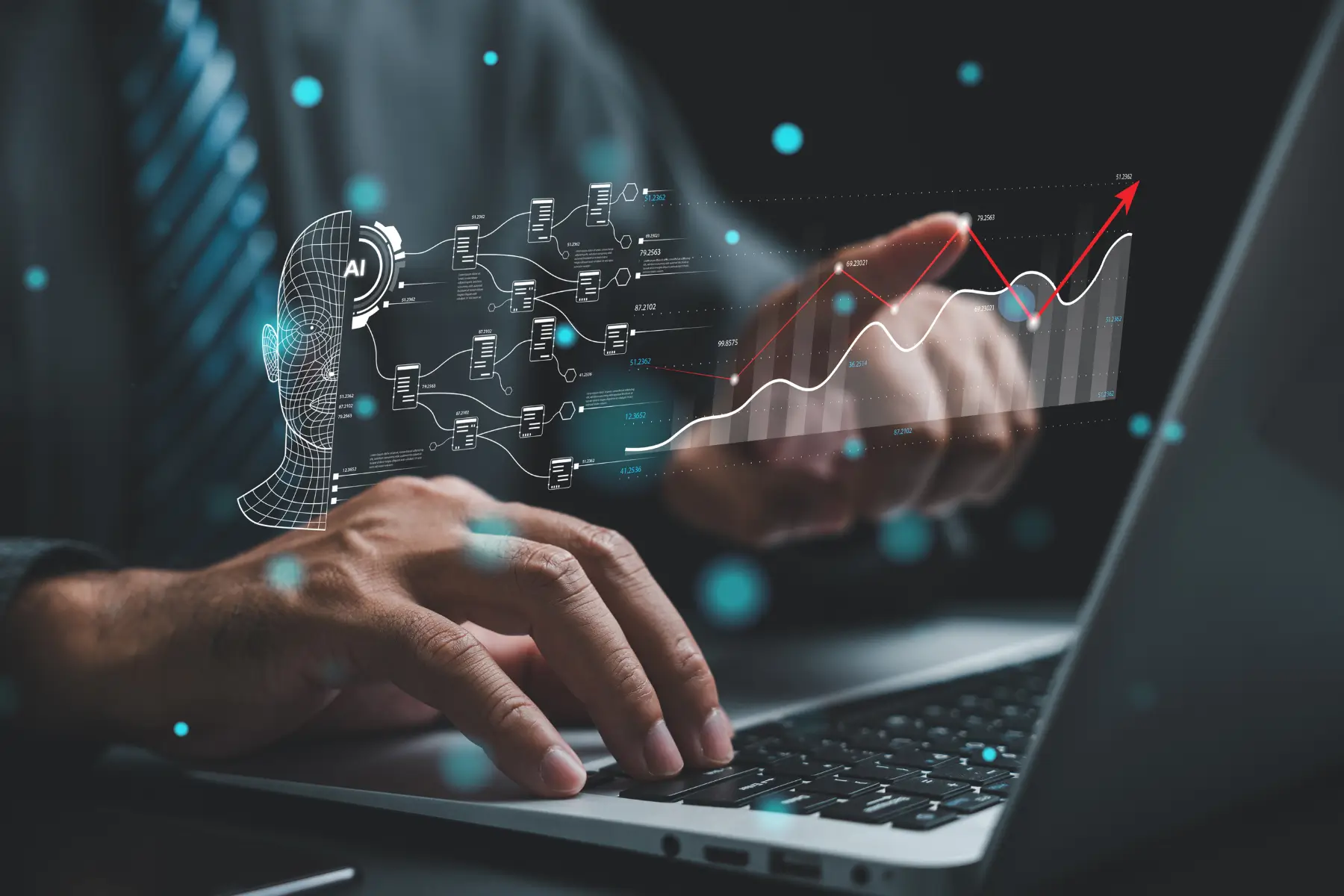

Generative AI could reshape the global economy through 2030 and beyond, but the scale of its impact remains highly uncertain. Oxford Economics uses three model “levers” — AI Exposure, AI Adoption and labour substitution — within its Global Economic Model to map out AI Breakthrough, AI Disruption and AI Disappointment scenarios, each with distinct implications for GDP growth, employment and productivity.
Service Category: Forecast and Scenario Analysis
Climate and nature risks are becoming core to EU stress testing requirements, with regulators pushing banks beyond isolated exercises toward integrated, decision-ready frameworks. This article breaks down five key developments — from connecting macro scenarios to real business impacts, to preparing for the EBA’s 2027 stress test — shaping how financial institutions build resilience across Europe.
Oxford Economics Australia helped quantify how tariffs could affect Ontario municipal capital expenditure through bespoke economic modelling and scenario analysis. The report shows where infrastructure cost risk is highest and gives investors, operators, and policymakers a clearer view of tariff exposure.
The Australian Government’s review of Australia’s it’s higher education system could not have come at a more opportune time. Lacklustre productivity growth, tight labour market conditions and skills shortages are major concerns for Australian businesses right now and are also factors increasing demands on Australia’s tertiary education system.