
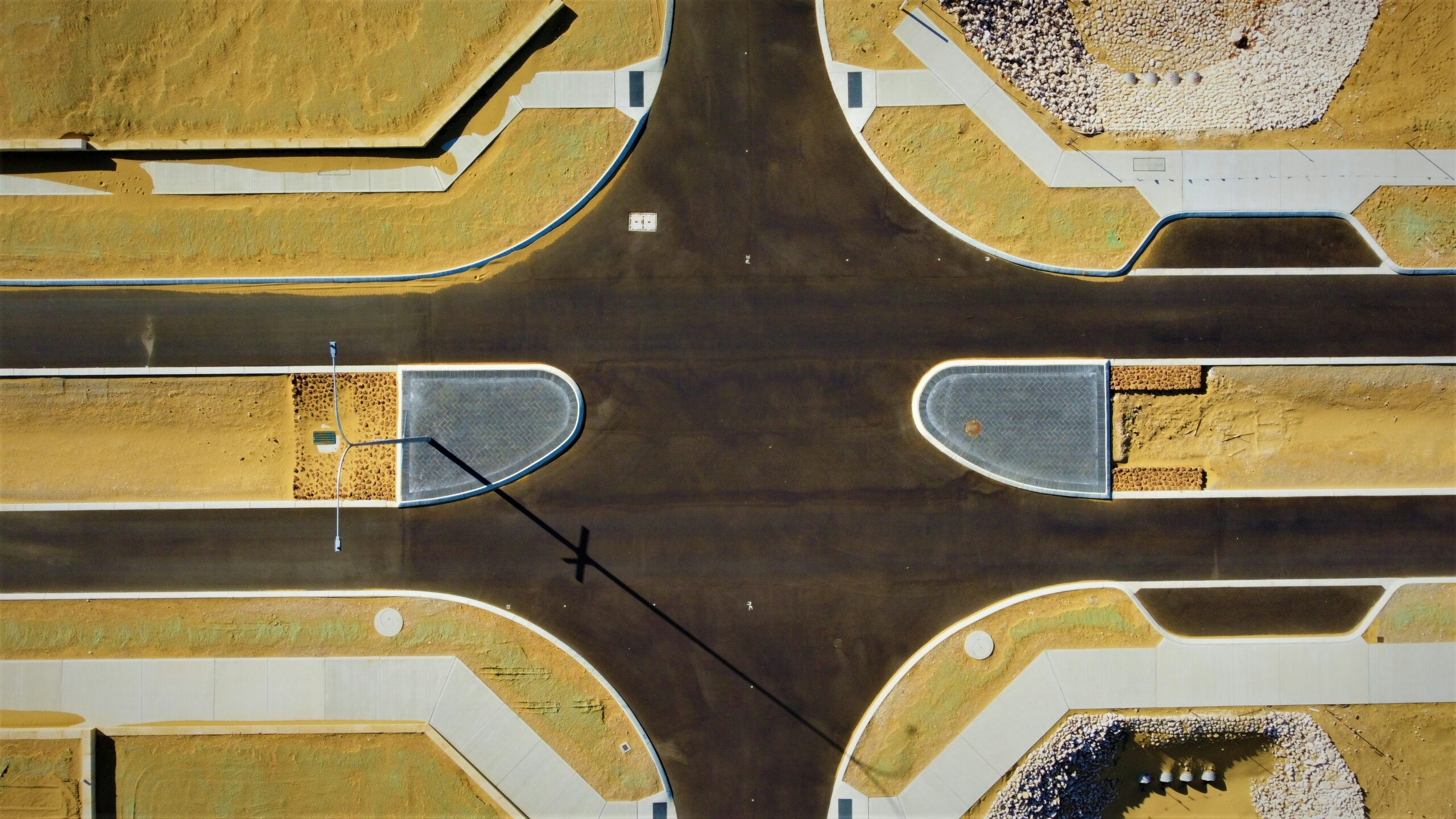
Calendar 2024 marks a turning point in the construction and infrastructure industry in Australia, with total construction work done expected to fall in real terms through the year for the first time since 2020.
 Garima Sinha
Calendar 2024 marks a turning point in the construction and infrastructure industry in Australia, with total construction work done expected to fall in real terms through the year for the first time since 2020.

Proposing to introduce a New Vehicle Efficiency Standard can hardly be a bad thing – particularly when you’re the last developed country except for Russia to do so

A pipeline of major projects (contract value at or above $50 million) totalling $15.4 billion nationally is expected to break ground in calendar year 2024

With goods price disinflation now well and truly entrenched, upside risks to the inflation outlook lie with services components. Services inflation peaked at a lower level than goods inflation, but the upswing was
more protracted, with services only starting to decline in y/y terms in Q2 2023.

Australian bond yields have risen over the past 18 months, highly influenced by movements in the US, reflecting more hawkish expectations for policy rates and a higher term premium. As is the case overseas, we think that markets are currently overstating where policy rates will ultimately settle and expect bond rates will come back from their current level in time.

It is anticipated that NOM will total a still elevated 410,000 in FY2024 given continued strength in temporary migration. Further out, it is forecast that NOM will taper back to 250,000 per annum by FY2027.

In October 2023, the CBAM entered its first transitional phase, requiring EU importers to start reporting on their emissions. The CBAM will come into full force in 2026, when importers will be required to purchase and surrender CBAM certificates.
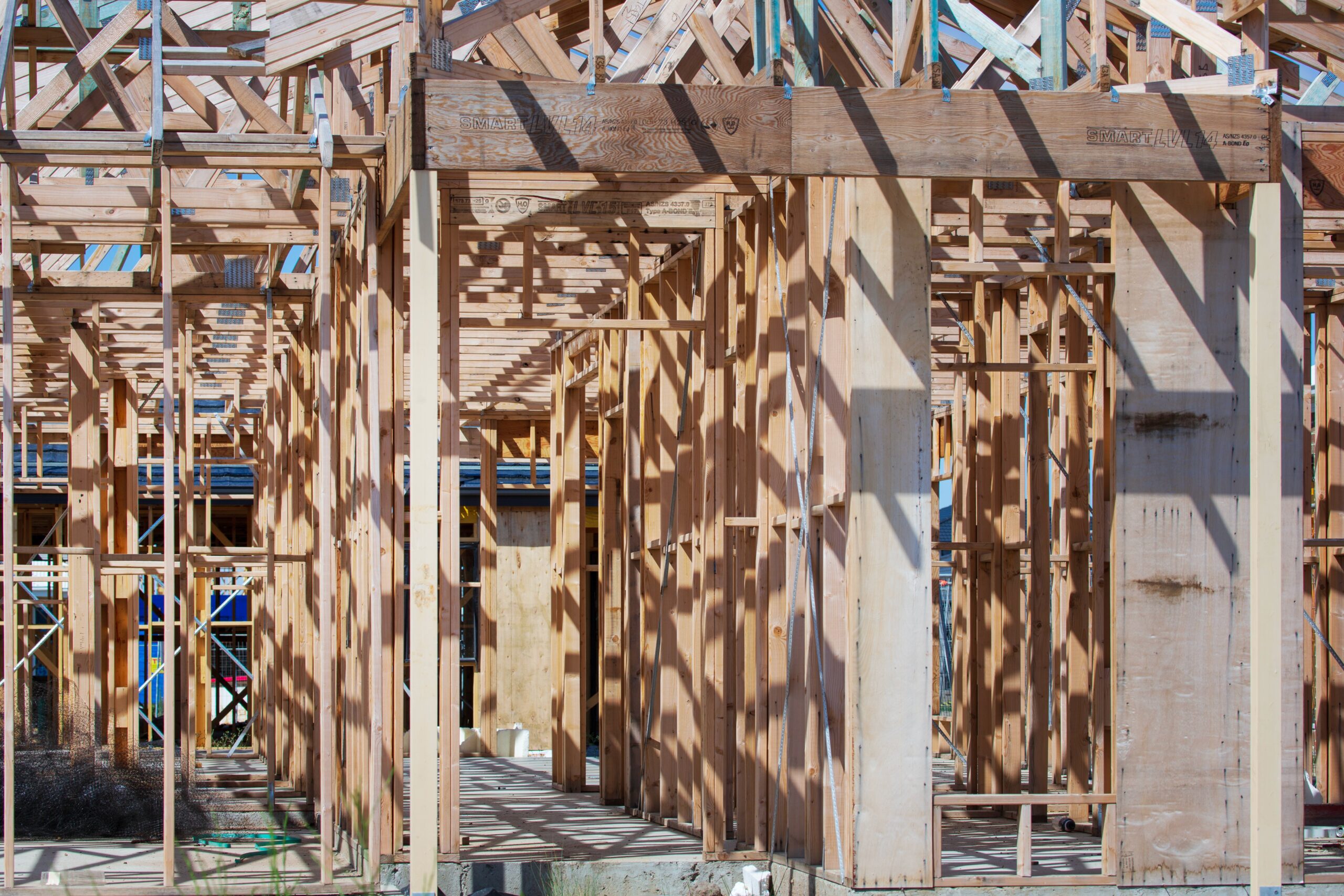
The passing of the previously delayed Housing Australia Future Fund (HAFF) means that all the Albanese government’s announced housing policies are now in place. These policies represent a minimum funding pool of $5.5 billion stretching to the end of the decade, potentially lifting as high as $10 billion if all targets are met and excess fund returns achieved.
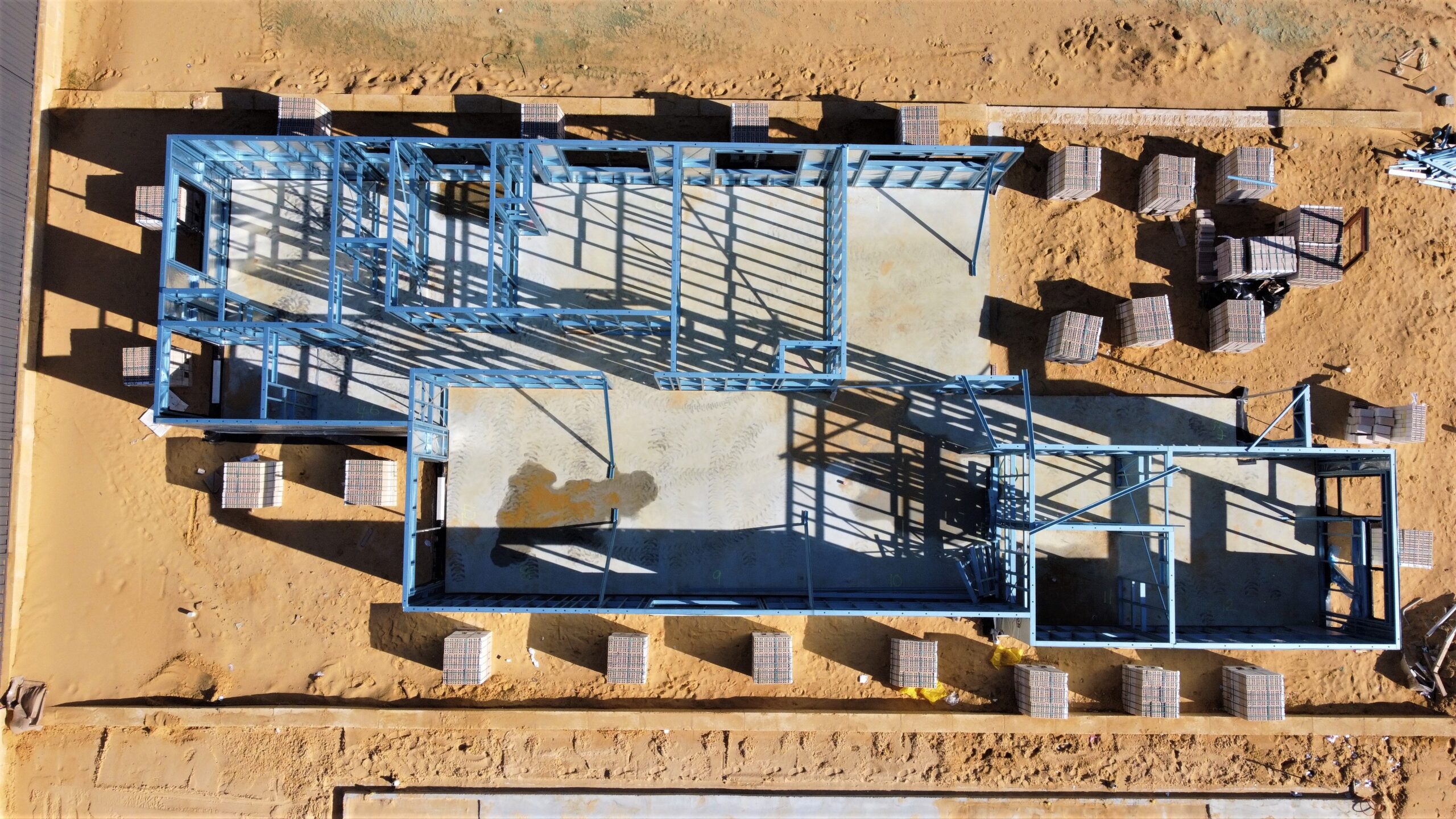
Negative momentum for total building in FY2023 (-8%) is expected to continue in FY2024, with activity sliding a further 11% to $108.4 billion (constant FY2021 prices). The uplift in build costs and a large backlog of work that is proving difficult to draw down are amplifying the demand drag of higher borrowing costs. Delays and builder administrations are further supressing home buyer confidence.
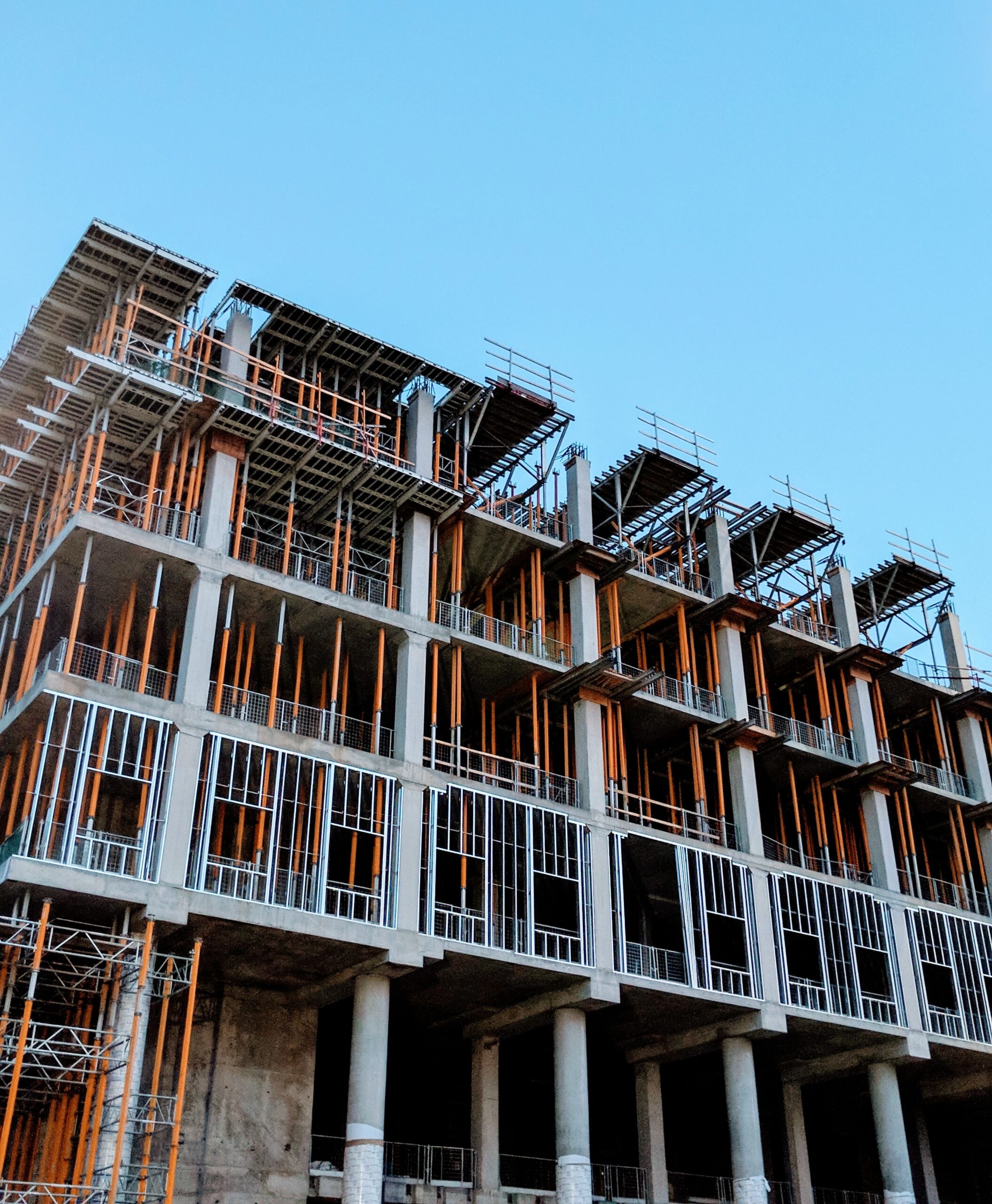
The pipeline of build-to-rent (BTR) developments across Australia continues to swell, with our project tracking currently capturing a pipeline of circa 45,000 announced units. Around 5,900 units have broken ground in FY2023, with a further 15,000 geared to commence across FY2024 and FY2025
The Wage Price Index (WPI) increased by a sharp 1.3% q/q in Q3 – the largest quarterly growth on record – taking the y/y pace of growth to 4.0%. The jump in wage growth was partly driven by the larger the usual 5.75% increase in award wages implemented in July.

As the world heats up, so does the urgency to assess our collective progress against the goal of limiting global temperature increases to 2℃ as set out in the Paris Agreement.
The Wage Price Index (WPI) increased by a sharp 1.3% q/q in Q3 – the largest quarterly growth on record – taking the y/y pace of growth to 4.0%. The jump in wage growth was partly driven by the larger the usual 5.75% increase in award wages implemented in July.

The National Transport Commission (NTC) and the Australasian Railway Association (ARA) commissioned Oxford Economics Australia to update and extend quantitative rail workforce capability modelling last completed in 2018 and published in the ARA’s report. Fundamentally, this report
seeks to explain how skills demand will form for the rail industry over the coming decade, what will be
the key threats to workforce capability, and what industry and governments can do to respond to meet the challenges of delivering on the significant rail infrastructure investment.

The retail property report provides a detailed investigation of the Australian retail market, focusing on expected trading conditions and investment performance within regional, sub-regional, neighbourhood and large-format shopping centres over the next decade.

The maintenance masterplan helps you understand when existing maintenance contracts will expire and will next be tendered enables contractors to identify, plan, and strengthen relationships for these opportunities.

The maintenance masterplan helps you understand when existing maintenance contracts will expire and will next be tendered enables contractors to identify, plan, and strengthen relationships for these opportunities.

the ECA report and accompanying data enable a deep understanding of the trends and developments in infrastructure building in both the public and private sector, and the implications of these for contracting opportunities and key input costs in the sector.

Our mining service provides businesses with a complete assessment of both investment and production activity in the mining sector, equipping firms with the information they need to develop and implement their business strategies.

The industrial property report provides 10-year forecasts of metropolitan demand, supply and indicative vacancy rates and identifies growth prospects.
