
OE Logo

The Australian Government’s review of Australia’s it’s higher education system could not have come at a more opportune time. Lacklustre productivity growth, tight labour market conditions and skills shortages are major concerns for Australian businesses right now and are also factors increasing demands on Australia’s tertiary education system.

Our new ResRadar service helps subscribers understand the fundamentals driving residential markets and their impacts. The enhanced dashboard, timely reports, and associated databanks help make better investment decisions by examining the point in the residential market in each city and further movement, as well as identifying differences in the cycles across cities with high granularity.

The combined capital city median all-dwelling price reached $946,000 in December quarter 2023 (+7% y/y). Resilient demand (backed by strong population growth), alongside low listing inventory helped generate competition and price growth. Momentum has been sustained into 2024, with 1.5% q/q growth estimated for Q1.

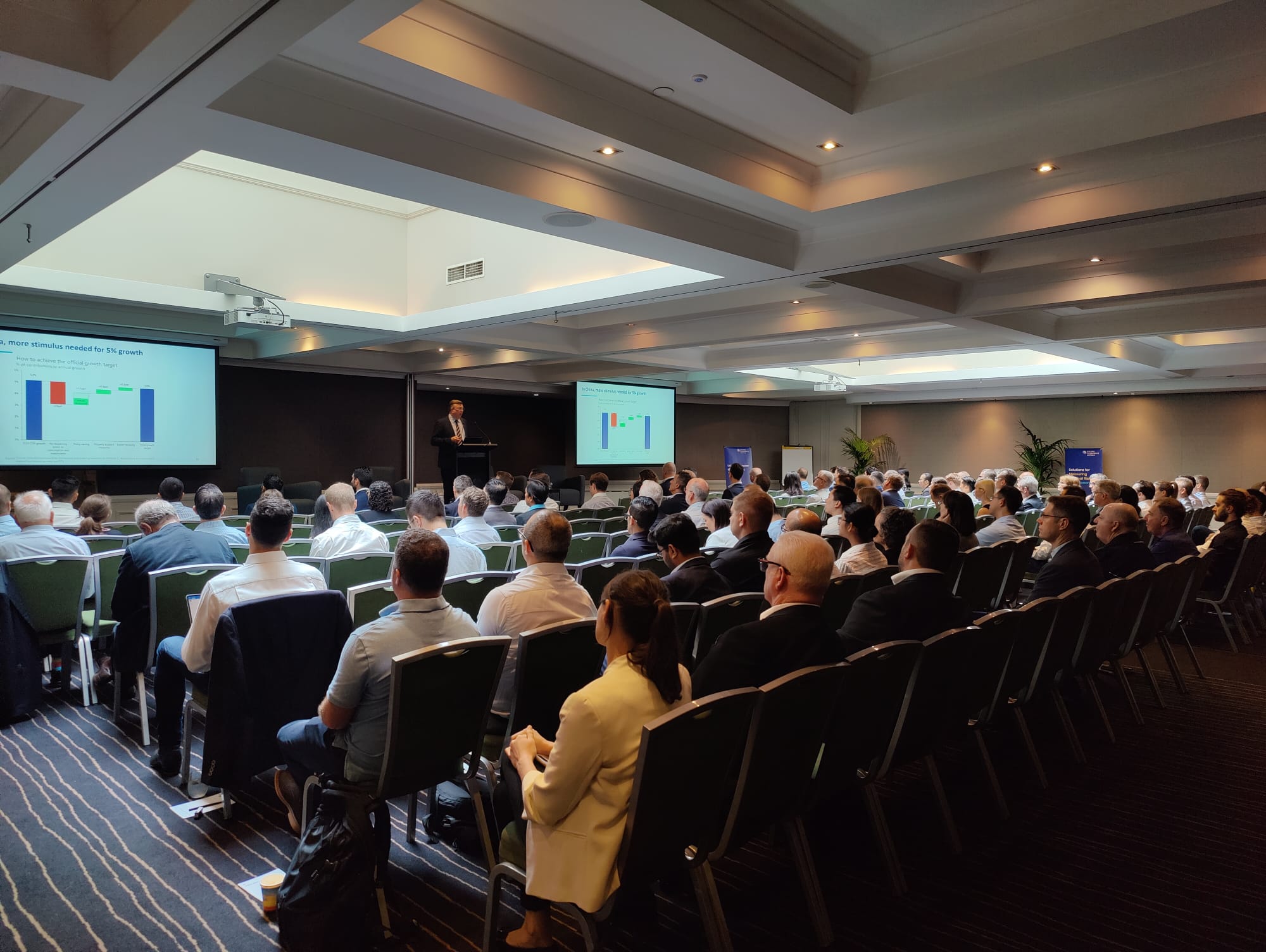
It was fantastic to welcome our esteemed clients and guests to our economic forecasting conference in Sydney, Melbourne and online.

The Australian construction sector is facing a challenging period as costs and capacity constrain activity levels.

The run up in interest rates has provided a drag for all asset classes, but other cyclical and structural drivers are becoming more prominent in determining performance.

The Australian economy is enduring a policy-induced slowdown.  Entering 2024, both fiscal and monetary policy are at or close to the peak drag they will impose on the economy in this cycle.

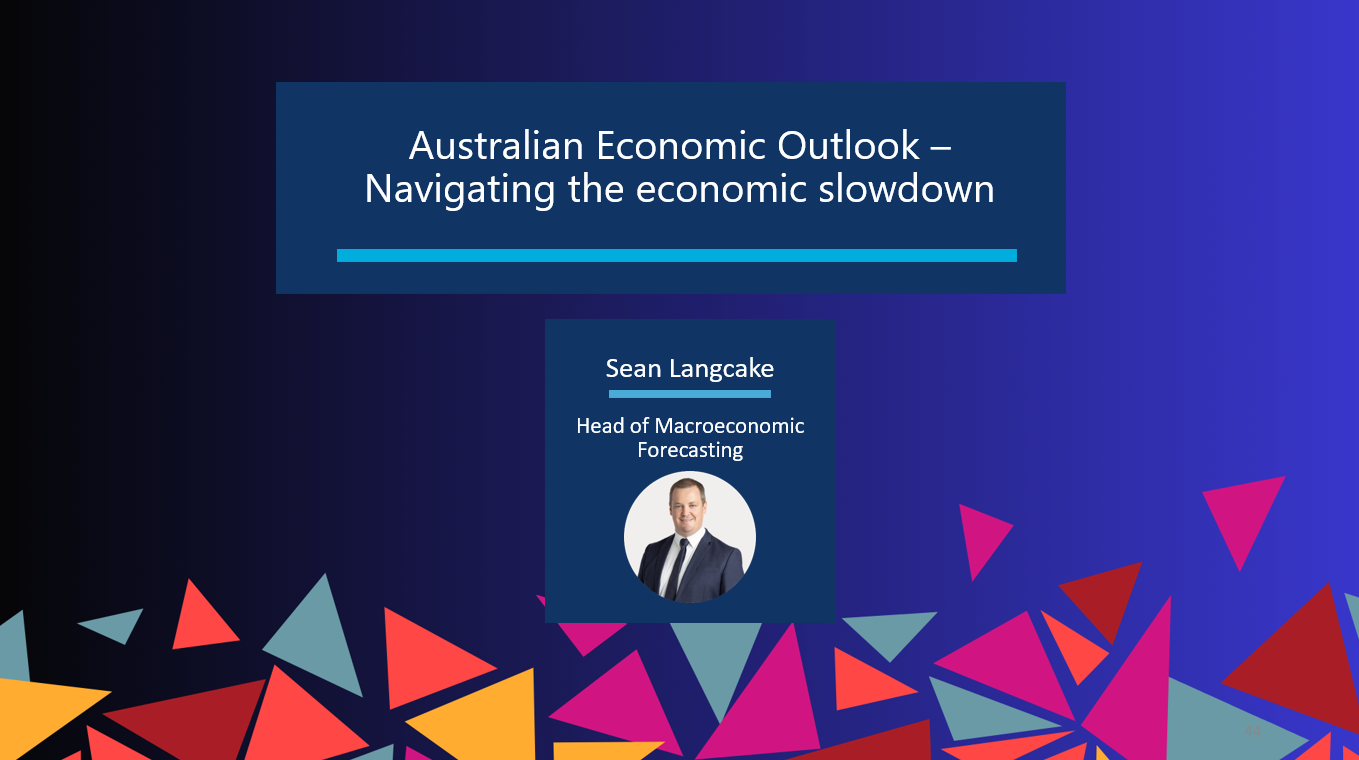
Adrian Cooper set out the key factors that will drive the economic outlook for 2024 and beyond, including how long the current economic slowdown is likely to last, how quickly underlying inflationary pressures will ease, and the implications for interest rates and financial markets. 

We’ve taken stock of Australia’s journey towards net zero and the good news is that emissions are dropping. The bad news is that emissions aren’t dropping fast enough.

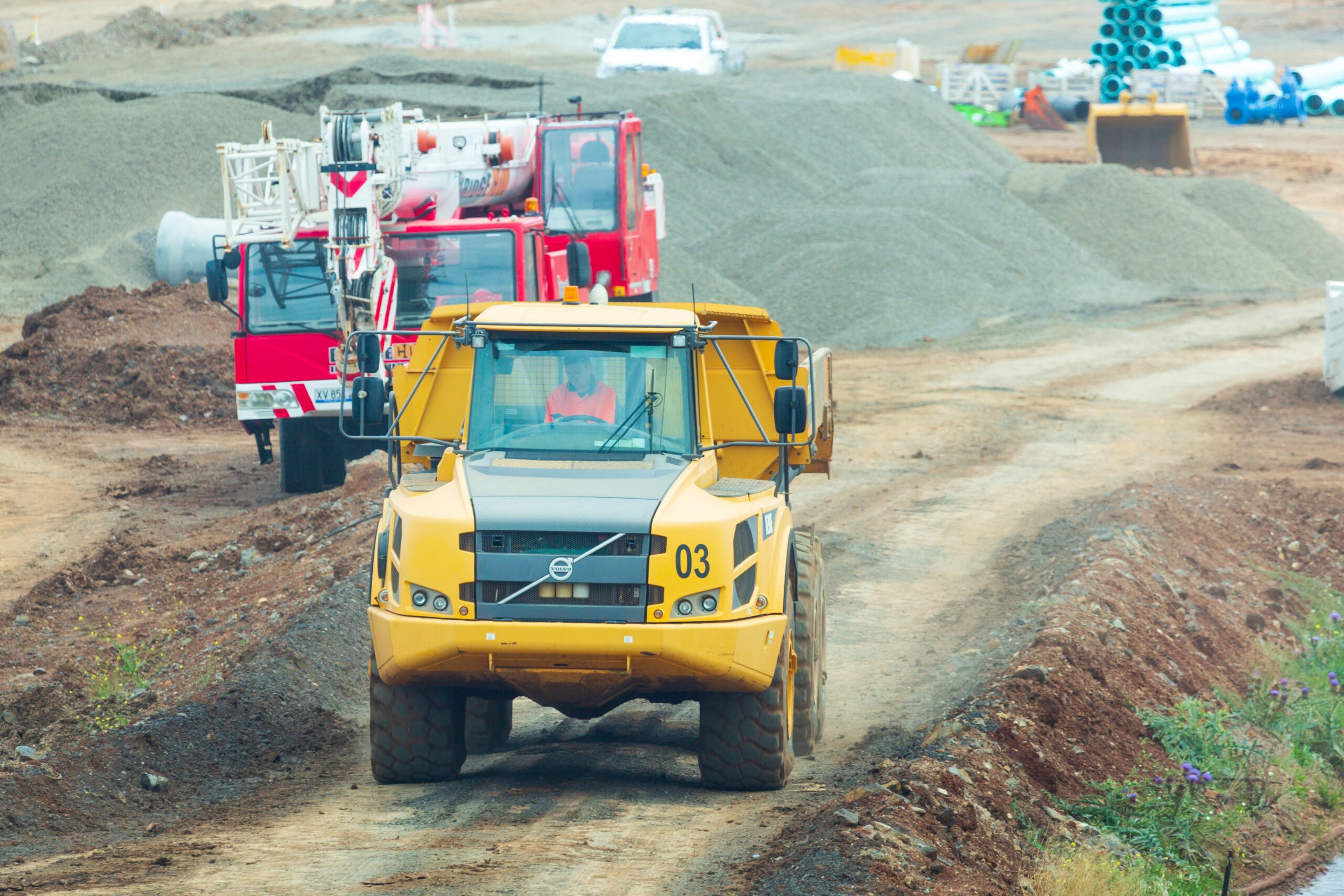
Calendar 2024 marks a turning point in the construction and infrastructure industry in Australia, with total construction work done expected to fall in real terms through the year for the first time since 2020.

Oxford Economics Australia was engaged by the Department of Education to provide an evidence base for tertiary qualification demand over the next 3 decades to support the Australian Universities Accord into the higher education sector. This analysis was critical in enabling the Accord to develop attainment and participation targets as part of its recommendations.

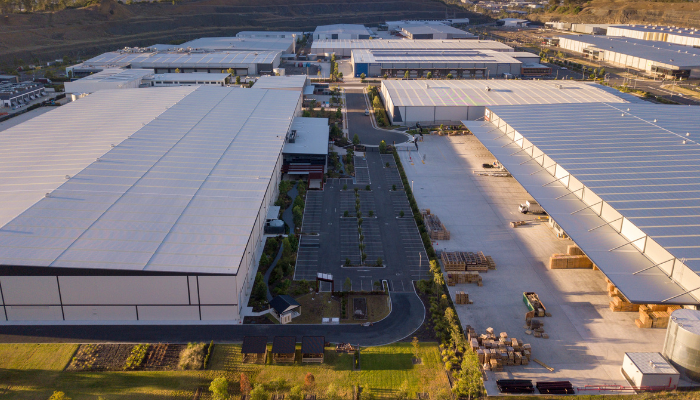
Oxford Economics Australia was engaged by the Property Council of Australia to undertake a study into the economic importance of the industrial and logistics sector in Australia by quantifying the value of goods flowing through industrial assets. Our work estimated that $1.2 trillion worth of goods flowed through industrial assets in FY22.

The focus on green office buildings and sustainability is being driven by both government targets to achieve net zero and increasing corporate and investor focus on environmental, social, and corporate governance (ESG) considerations and compliance.

Engineering Construction in Australian Executive Summary

Calendar 2024 marks a turning point in the construction and infrastructure industry in Australia, with total construction work done expected to fall in real terms through the year for the first time since 2020.

Proposing to introduce a New Vehicle Efficiency Standard can hardly be a bad thing – particularly when you’re the last developed country except for Russia to do so

A pipeline of major projects (contract value at or above $50 million) totalling $15.4 billion nationally is expected to break ground in calendar year 2024

With goods price disinflation now well and truly entrenched, upside risks to the inflation outlook lie with services components. Services inflation peaked at a lower level than goods inflation, but the upswing was
more protracted, with services only starting to decline in y/y terms in Q2 2023.

Australian bond yields have risen over the past 18 months, highly influenced by movements in the US, reflecting more hawkish expectations for policy rates and a higher term premium. As is the case overseas, we think that markets are currently overstating where policy rates will ultimately settle and expect bond rates will come back from their current level in time.

It is anticipated that NOM will total a still elevated 410,000 in FY2024 given continued strength in temporary migration. Further out, it is forecast that NOM will taper back to 250,000 per annum by FY2027.