
Research Briefing
| Jun 6, 2024
Industry Forecast Highlights: The low point for global industrial growth is firming
Our conviction that 2023 was the low point for global industrial growth is firming. We expect that value-added industrial growth across the world will accelerate to 2.6% in 2024, up from 1.8% last year.
What you will learn:
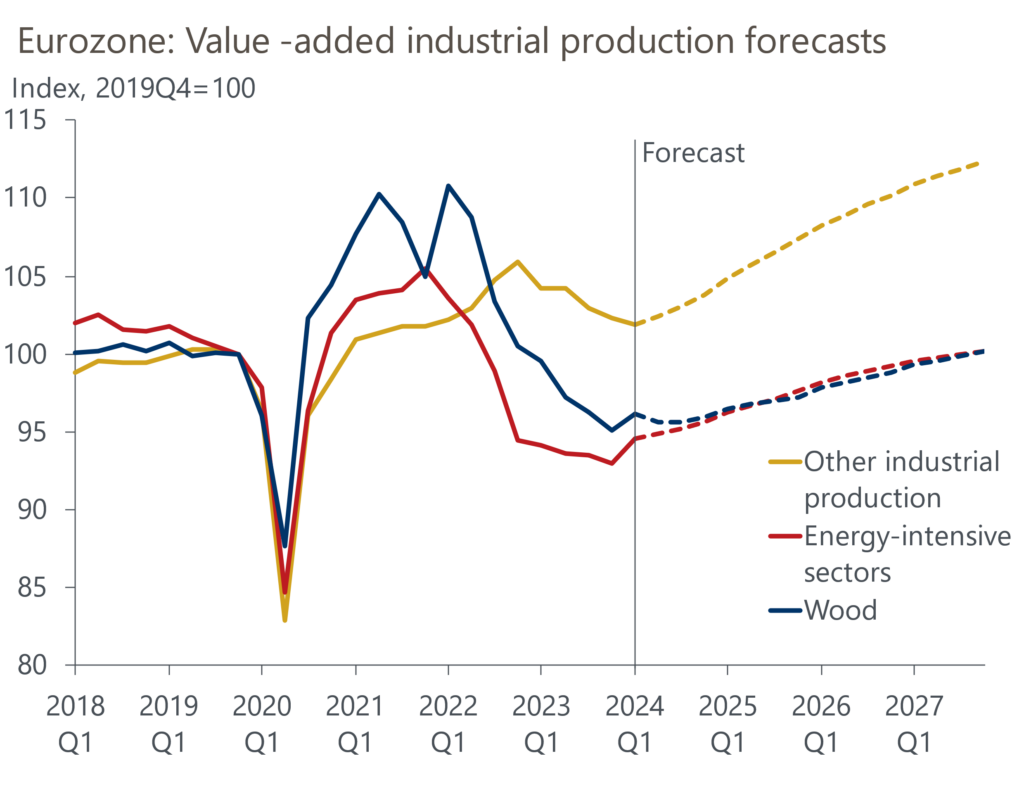
- We see several factors pointing to an imminent but gradual recovery in Europe. We expect some permanent damage to competitiveness in energy-intensive industries, but in the short-run we do expect some catch-up growth as lower energy prices and a turn in the inventory cycle feed through.
- US industrial output growth is expected to be relatively steady. The results of the US election could however have significant implications for industry.
- Industry in Asia remains largely stable as well. The biggest change with respect to our previous forecast in the region is in Japan, where the Daihatsu scandal-induced production shutdowns in Q1 were deeper than expected.
- Across the world we expect the rebound in consumer and certain intermediate goods will outpace more interest-sensitive sectors like automotive, furniture, investment goods, and construction inputs like wood.