Future of Property Market in Australia
Access all of the latest insights for property and real estate in Australia.
Act on opportunities with independent, economics-driven insight.


Oxford Economics Australia on your specific property Sector
Get highly tailored insights, as they are released straight to your inbox.
We won’t bombard you with other information, just what you register interest in.
Residential Property
The market saw fluctuations in housing prices and patterns of suburban migration as people sought more space and lifestyle amenities. Developers adapted to changing demands, focusing on sustainable features and modern designs. Despite uncertainties, certain segments, such as regional properties and housing with home office spaces, demonstrated resilience. Investors and homebuyers engaged in a dynamic market, influenced by economic conditions and government policies.
Access some more residential property analysis from Australia an around the world:
Resource Hub
France’s government debt is a commercial real estate problem
Research Briefing
What to watch for the US economy in H2 2026
Research Briefing

Office Property
The Australian office property market has faced complexities from to the COVID-19 pandemic. The shift to remote work led to increased office space vacancies in major cities like Sydney and Melbourne as businesses adopted flexible models. Landlords encountered challenges in attracting tenants, prompting some to reconfigure spaces for social distancing. While traditional office settings underwent reassessment, technology and innovation hubs experienced growth, adding dynamism to the market. Investors and developers adapted by incorporating sustainability features and modern amenities to remain competitive. However, the market’s fluidity depends on economic conditions, health developments, and global trends. For the latest and most accurate information, it’s advisable to consult real estate reports and industry analyses.
Access some more office property analysis from Australia::
Resource Hub
France’s government debt is a commercial real estate problem
Research Briefing
What to watch for the US economy in H2 2026
Research Briefing
Retail Property
Online shopping’s rise altered consumer behavior, impacting traditional retail spaces in cities like Sydney and Melbourne. Owners adapted by exploring innovative strategies, blending technology and enhancing customer experiences. The pandemic accelerated the integration of e-commerce with physical retail. Challenges prompted a reevaluation of leasing structures and tenant mixes, with some sectors, especially those offering essential goods and services, displaying resilience.
Access some more retail property analysis from Australia:
Resource Hub
France’s government debt is a commercial real estate problem
Research Briefing
What to watch for the US economy in H2 2026
Research Briefing
Industrial Property
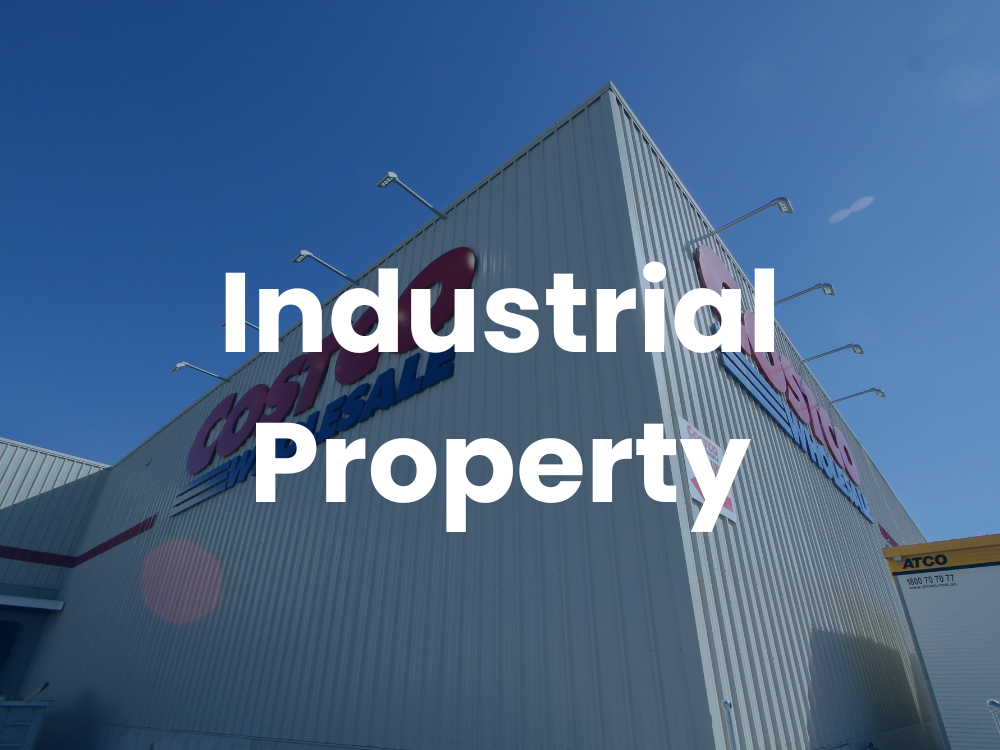
A lot has been written lately about upgrader demand for industrial property across Australia’s major markets i.e., tenants moving into newer, more efficient premises when their current leases expire. Indeed, amongst the eastern seaboard industrial property markets, the strength of demand for prime properties has outstripped supply, driving total market vacancy rates down to extremely low levels, fuelling rapid rises in rents. By way of example, with market vacancy rates now under 0.5%, average prime net stated rents in Sydney’s Outer West have risen by more than 60% over the last two years.
Access some more industrial property analysis from Australia:
Resource Hub
France’s government debt is a commercial real estate problem
Research Briefing
What to watch for the US economy in H2 2026
Research Briefing